


Have you ever thought about how simple traditions can shape a community? Daily customs around the world bring people together and spark real happiness.
Think of Irish dances that fill the streets or ancient stories that keep old legends alive. Folk culture shows how cherished practices bond generations, boost local pride, and celebrate life in close-knit communities.
Core Folk Culture Examples and Traditions
Folk culture is all about the everyday ways local communities live and share traditions passed from one generation to the next. These customs show how people work, celebrate, and express who they are.
- Traditional dance: In parts of Ireland, lively dances with quick steps bring people together in celebration.
- Oral folklore: Stories told by word of mouth keep local legends and lessons alive without any written record.
- Pagan religions: Faiths like Wicca, Druidism, and Asatru give people different spiritual paths outside of the main religions.
- Traditional crafts: Handcrafted trinkets found in English markets highlight long-held artistic skills and methods.
- Traditional clothing and dress: Clothes made by hand from natural materials carry deep cultural pride and a unique style.
- Regional dialects and slang: Each town has its own way of speaking that reflects a rich history and local influence.
- Traditional ceremonies: The May Day Maypole ribbon dance is a festive ritual that welcomes spring and new beginnings.
- Localized Christmas traditions: Special holiday customs unique to a region bring communities closer together during the festive season.
- Regional food dishes or “foodways”: Family recipes and local ingredients show how food traditions are passed down and loved over time.
- Specific cultural groups: Communities like the Irish Travelers and the Amish maintain their unique languages, customs, and ways of life.
These practices not only connect people to their shared past but also shape the vibrant culture of today.
Folk Art and Craft Expressions
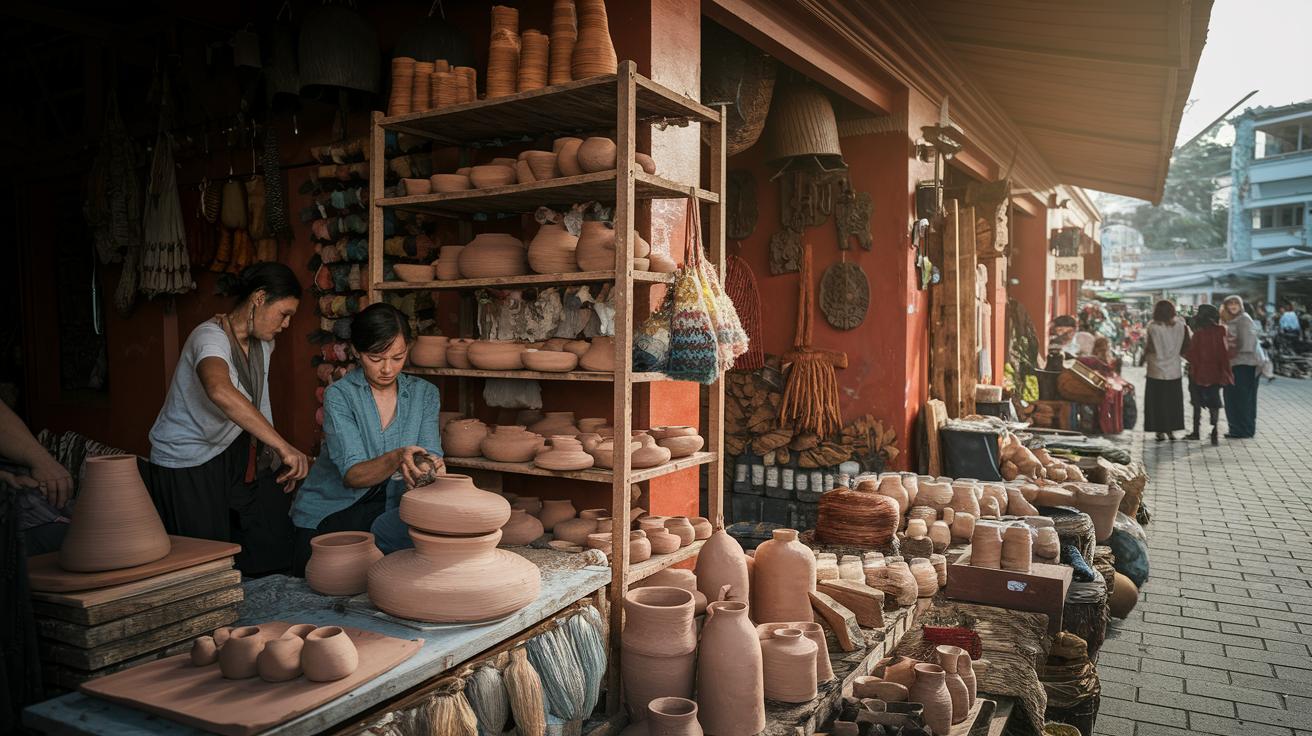
Across villages worldwide, local crafts form the heart of community heritage. Artisans use everyday materials like clay, wool, wood, and plant dyes to create pottery, weaving, wood carvings, embroidery, and metalwork. In small workshops and market stalls, the tools' clatter and the earthy scent of dyes fill the air. These items are made with local tools and time-tested techniques that keep traditions alive. Each piece tells a story of history and shared values that mass production simply cannot match.
Each region brings its own flavor to these crafts. In some areas, embroidery patterns narrate old legends, while in others, wood carvings display symbols of fertility and protection. This rich variety shows local tastes and everyday lives. It also ensures that cultural heritage continues to spark joy for generations to come.
Folk Music Traditions and Dance Forms
Folk melodies serve as the heartbeat of many close-knit communities. Music brings people together at local events, festivals, and everyday gatherings. Musicians pass down songs from one generation to the next, each tune carrying a story of its past while embracing small modern touches. This tradition not only strengthens community bonds but also adds deep meaning to personal and shared memories.
Seasonal celebrations highlight these traditional tunes. For example, European spring festivals include maypole ribbon dancing where each colorful swirl of ribbon adds its own flair to the music. Street performers and local choirs play sets that mix simple tunes with more intricate sounds. These cycles of song act as living records, preserving traditions and reflecting long-held values and experiences.
Dance also plays a key role in keeping cultural traditions alive. In England, Morris dancers use sticks and choreographed steps that echo the community's shared past. In rural County Clare, Irish dance features lively footwork that brings people together for an energetic show of cultural heritage. These dances do more than entertain; they remind communities of their deep roots and local identity.
Folk Culture Examples: Vibrant Traditions Spark Joy
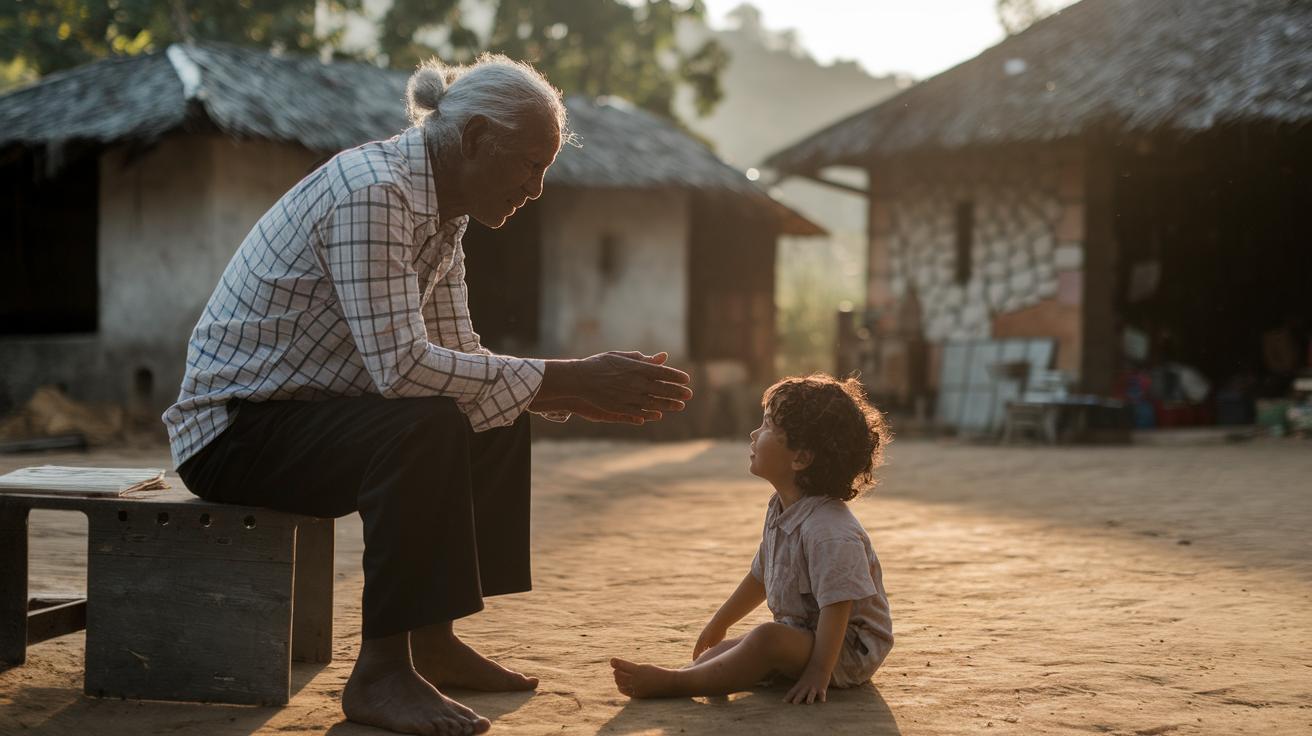
Folk storytelling runs deep in local communities. Long before modern changes, people passed down their history through spoken stories. These tales preserved local legends, moral lessons, and beloved customs without written records. Each storyteller acted as a living record, keeping the community's memories alive. Their voices painted clear images of daily life, feelings, and rituals that continue to shape local identity.
Oral traditions still play a strong role in sharing values and everyday wisdom. These stories offer guidance and practical lessons learned from real life. As storytellers share moments of hardship and celebration, each tale reveals how people honor nature, family, and tradition. The repeating of these stories strengthens social bonds and nurtures a sense of belonging. In this way, folk storytelling entertains while grounding the community in its rich heritage, sparking joy and a vibrant shared identity.
Folk Costume and Ethnic Attire Insights
Traditional clothing shows a community's identity in a very clear way. These outfits are made from natural fibers like wool, cotton, and silk. They have distinct patterns and detailed stitching that tell the story of their region. Local tailors and family members make these garments by hand using materials found nearby. In small villages, creating these clothes is a proud display of resourcefulness and cultural pride, often featured during local festivals or special life events.
Each folk costume tells its own story through its design. In some places, detailed embroidery marks important life changes, while in others, simpler styles are worn every day to represent shared traditions. These handmade clothes meet practical needs while also symbolizing social status and community ties. Whether worn at celebrations or used for daily wear, each costume gives us a unique look into regional traditions and the lasting legacy of folk culture.
Local Folk Rituals, Festivals, and Community Practices
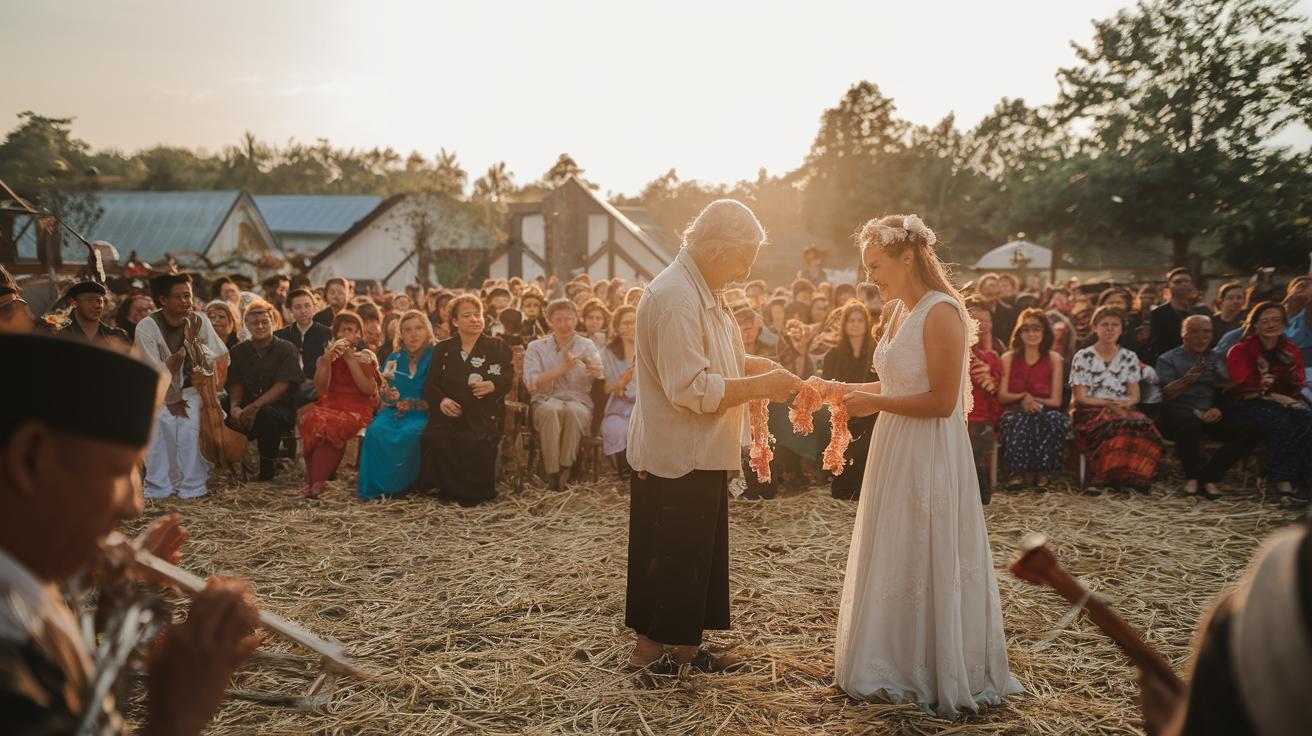
Across many villages, seasonal events celebrate local harvests and special wedding traditions. In one town, the harvest festival is more than a feast. It includes field blessings and community displays where newlyweds exchange handmade tokens blessed by elders, a cherished sign of survival and hope.
Other communities spice up their holiday calendars with unique winter celebrations. These events lean on old storytelling and symbolic feasts. For instance, a small town recites a traditional verse during the winter solstice, marking a fresh start for the community.
Local customs also stay alive through creative, modern events that go beyond standard celebrations. Peer-led shows, spontaneous processions, and neighborhood storytelling connect residents, blending new energy with enduring folk traditions.
Regional Folk Culture Case Studies
Irish Travelers
Irish Travelers lead lives defined by movement and pride in their heritage. They travel across Ireland and the UK, keeping traditions passed down through generations. Their unique language and storytelling keep history alive, while handmade jewelry and decorated household items highlight their community spirit. Their way of life honors old customs and shows how a mobile culture can thrive even without modern technology.
Amish Communities
Amish communities in the United States live a simple life that avoids modern electrical and technological comforts. They focus on farming, self-reliance, and strong family bonds. Simple, plain clothing reflects their values of modesty and practicality. By staying away from mass media and outside influences, they protect their traditions. Their commitment to manual labor, community rituals, and established religious practices shows that a folk culture can offer a steady path in today’s fast-changing world.
Final Words
In the action, this post covered folk culture examples and traditions from traditional dances and oral storytelling to regional attire and local festivals. It broke down various customs, from handcrafted art and music legacies to community rituals and case studies of Irish Travelers and Amish communities.
Each section showed how daily practices keep cultural history alive. The insight offered leaves us with a renewed appreciation for the living heritage that continues to inspire communities today.
FAQ
Folk culture examples sentences
Folk culture examples sentences illustrate local traditions such as traditional dress, folk music, and dance practices. They highlight how community and heritage shape daily customs.
Folk culture examples today, in America, and in the United States
Folk culture examples today include community festivals, local crafts, oral storytelling, and traditional dance. In America, traditions like community fairs, folk art, and native cuisine show the nation’s diverse heritage.
Folk culture definition and examples
Folk culture refers to shared beliefs, practices, customs, and traditions of local communities. Its examples span crafts, folk tales, dance, and attire passed down through generations.
Folk culture examples in the Philippines
Folk culture examples in the Philippines include traditional dances like Tinikling, indigenous weaving, local festivals, and native rituals that maintain community heritage and showcase regional art.
What are 5 examples of folk culture
Five examples of folk culture include traditional dance, oral storytelling, handcrafted textiles, community festivals, and native cuisine. Each reflects local customs upheld through generations.
What is the meaning of folk culture
The meaning of folk culture centers on local traditions, customs, and shared practices that bind community members. It reflects a group’s identity and history through language, art, and rituals.
What are the elements of folk culture
The elements of folk culture include traditional arts, oral narratives, local festivals, customary attire, and regional culinary practices. These components form the basis of community identity and shared heritage.
What are 5 examples of popular culture
Five examples of popular culture include mainstream music, blockbuster films, current fashion trends, viral internet phenomena, and widely followed sports events that mirror modern societal trends.
What is a local folk culture
A local folk culture represents the unique customs and traditions of a specific community. It encompasses localized practices in art, music, language, and ceremonies that reflect a region’s history and social fabric.