


American suburbs are changing how neighbors connect. Instead of chance greetings on busy sidewalks, residents now build community through planned meetups and local clubs. Traditional grid layouts have given way to private spaces where people create their own networks. Organized events replace quick hellos during daily errands, showing a surprising shift in how suburbs foster connections. This blog explains how modern suburban designs are reshaping neighborly bonds and strengthening local ties.
Community Interactions in American Suburb Life Dynamics
In America’s early suburban days, people shifted from mixed city life to more isolated neighborhoods. Before the post-war boom, cities mixed homes, work, and leisure in walkable spaces that naturally brought people together. But as the nuclear family took center stage, suburban planners designed wider lots and kept homes separate from business areas, changing the way neighbors connected.
Today’s suburbs lean on local groups to keep communities tight. Block parties, hobby clubs, and PTA meetings are common spots where residents chat and build trust. Informal meetups in cul-de-sacs and parks have taken over from the old walkable city vibe, giving people a place to share ideas and work on local projects.
Family routines now play a big role in how neighbors interact. With lives centered around home and scheduled events, many connect through community clubs and block-level gatherings. This shift shows how today’s suburban families adjust to new expectations while keeping a strong sense of belonging.
Sprawling Street Patterns and Neighborhood Customs in Suburbs
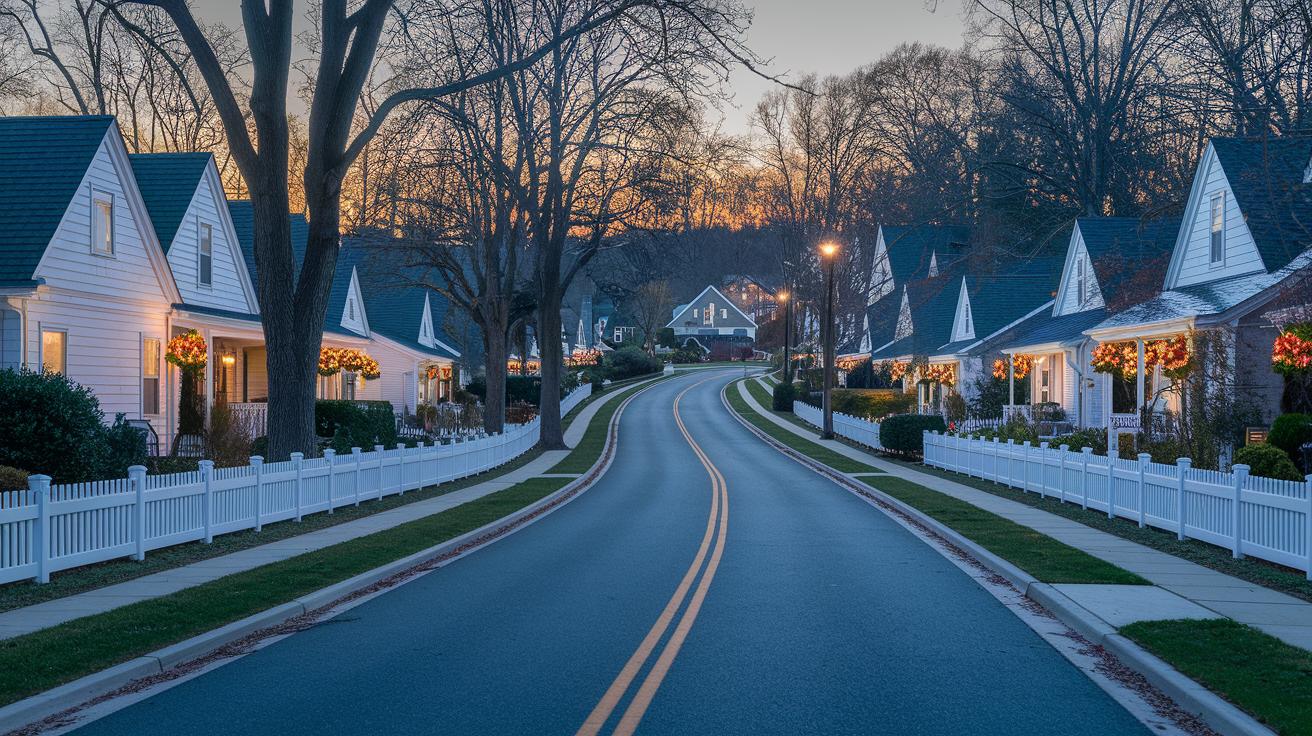
After 1950, suburban streets changed. Instead of a grid, curving roads and dead-end streets guide traffic around large lots. This design means most residents drive everywhere. For instance, a 1994 Toyota Corolla can easily rack up over 100,000 miles on these roads. Wide, winding streets give privacy but leave little chance for spontaneous, walk-to-a-neighbor encounters.
Neighborhood habits have changed along with these road designs. Many areas now showcase formal welcome signs and classic white picket fences. People keep neat front yards and enjoy gardening as part of their routine. Seasonal decorations and community signs add charm and reinforce a shared identity. In a car-focused layout, locals tend to celebrate their customs during planned community events instead of impromptu meet-ups.
- Limited through-traffic and increased privacy
- Longer driving distances for everyday errands
- Front yards serve as social gathering spots
- Community signs and seasonal decorations highlight neighborhood pride
- Emphasis on personal landscaping along tree-lined avenues
Daily Routine Dynamics and Commuter Challenges in the American Suburban Context
Suburban drivers usually spend 30 to 45 minutes in the car each day, according to DOT data. Most people rely on driving to get to work, school, and shopping. Because homes and workplaces are far apart, daily routines revolve around time spent on the road. Mornings are busy with school drop-offs and evenings with extracurricular shuttles. Smaller local stores have given way to large strip malls, turning quick trips into long drives.
| Suburb | Avg. Commute (min) | Main Mode |
|---|---|---|
| Chicago Metro | 35 | Car |
| Los Angeles Metro | 45 | Car |
| Detroit Metro | 40 | Car |
These travel habits impact family schedules and local business hours. Many households have different routines, which makes it tough to plan activities together. Families base their day on work and school times, and businesses adjust their hours to catch the brief moments before and after the daily commute. This car-focused way of life shapes how suburban communities run.
Socioeconomic Contrasts and Middle Class Identity in Suburb Life Dynamics
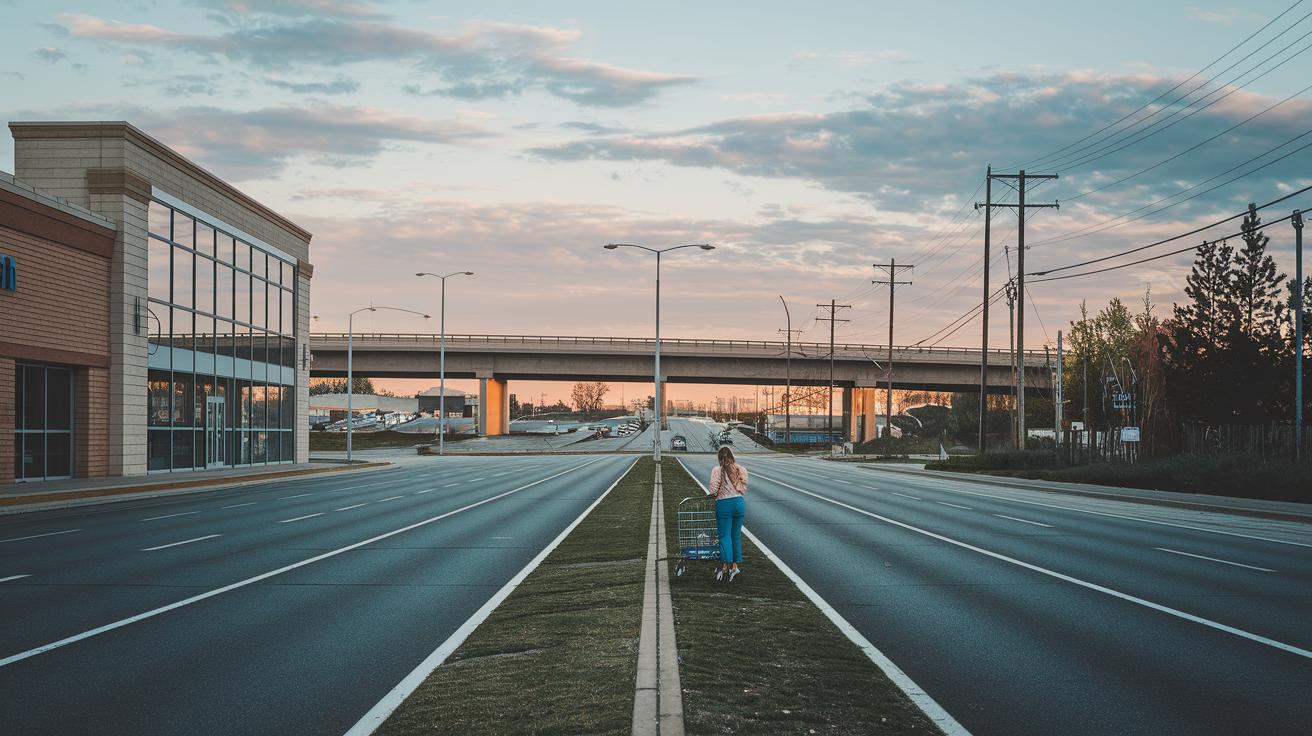
Big-box stores such as Walmart and Target have taken over areas zoned for large retailers. Small local businesses are being edged out, which means fewer neighborhood options. Residents now often drive further for everyday items, and local economic ties take a hit.
In many suburbs, school quality depends on property tax revenue that funds classroom resources and after-school programs. Wealthier neighborhoods with higher taxes often boast better schools, boosting their local reputation and property values. Families choose these districts for top-notch education, a trend that widens economic gaps over time.
Rising property taxes put extra pressure on retirees on fixed incomes and first-time homebuyers. Homeowners struggle with higher monthly bills, and local support services have fewer resources to help those most impacted.
In suburb life, middle-class identity is built on owning a single-family home and access to quality schools. These factors shape community pride and social status, reinforcing a vision of stability and long-term investment. Neighbors come together around shared values that uphold the American Dream, even as economic pressures grow.
Municipal Best Practices and Transit Adaptation in Suburban Infrastructure
Local governments are stepping up to improve suburban transit and infrastructure. They’re building compact neighborhoods to cut road use and promote greener travel. In many communities, connecting suburbs to cities through Bus Rapid Transit corridors and mixed-use areas near transit stops is making neighborhoods more efficient and livable. Federal funds have boosted projects like new sidewalks, bike lanes, and other public spaces that help local businesses and make it easier for residents to reach everyday services.
- Clustered mixed-use planning near transit stops
- Expanded bus routes with off-peak services
- Better sidewalks and safer pedestrian crossings
- Partnerships for bike-share and EV charging
These efforts show how smart transit and community planning go hand in hand. By cutting car dependency and boosting walkability, local leaders are shortening commutes and opening up community spaces. As these projects grow, residents enjoy more reliable transit and stronger links to city centers. Local policymakers keep a close eye on progress and adjust plans as needed, proving that targeted investments can really transform suburban life.
Event Celebrations, Cultural Diversity Shifts and Social Connectivity in Suburbs
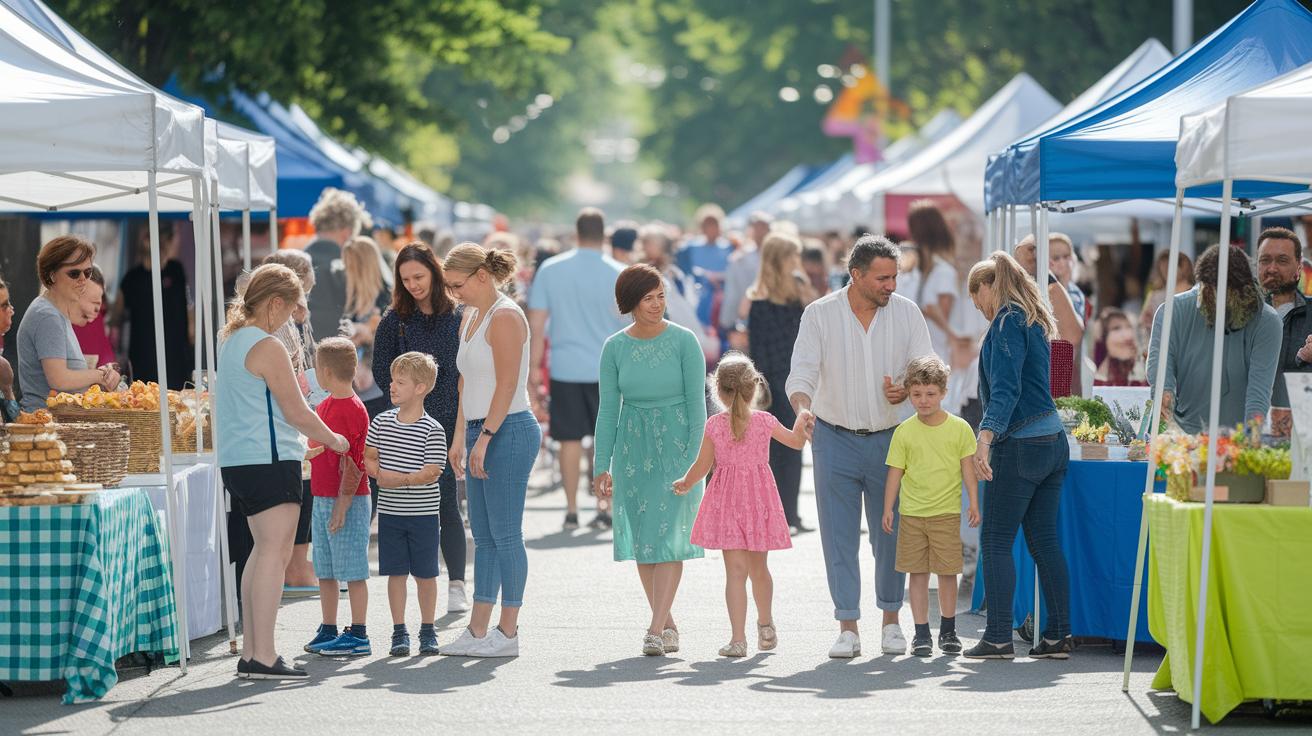
Across US suburbs, holiday traditions are changing. Instead of sticking to old customs, vibrant multicultural street fairs and lively food festivals are taking center stage. Neighbors enjoy international meals, upbeat music, and handmade crafts that showcase their heritage. Weekends turn into festive gatherings that break down barriers and spark new local traditions, inviting everyone to celebrate together.
Volunteer groups are at the heart of these community bonds. Local youth sports leagues and active parent-teacher associations regularly host events that bring families and neighbors closer. Organized workshops, fundraisers, and community meetings help build a culture of mutual care. These efforts not only strengthen unity but also create lasting friendships that enrich everyday suburban life.
Shared public spaces serve as a neutral ground for bringing people together. Churches, community centers, and parks host seasonal craft fairs, folk events, and charity drives that welcome residents from all backgrounds. These public gatherings encourage conversations and community projects like neighborhood cleanups. By meeting in common areas, diverse groups build strong bonds that enhance the shared suburban experience.
Environmental Sustainability, Park Restoration and Botanical Projects in American Suburbia
Local policymakers are introducing new rules to encourage green practices. Many suburbs now require rain gardens and the use of native plants. These measures help manage rain runoff and protect local wildlife. Programs to boost recycling and conserve water also make it easier for households to lessen their environmental impact.
Neighborhood groups are turning unused spaces into vibrant parks. Old school grounds and vacant lots are being transformed into community gardens and green spaces where locals grow native plants. These projects beautify the area and offer places for community workshops and hands-on learning about nature.
Over time, these changes are reshaping suburban life. Protected corridors along creeks safeguard important wildlife habitats even as areas develop. By adopting sustainable practices every day, communities are cutting down on pollution and increasing local biodiversity. Together, policy changes and community efforts are building resilient suburbs that can face future environmental challenges.
Real Estate Trends, Home Affordability and Zoning Regulation Debates in Suburb Life Dynamics
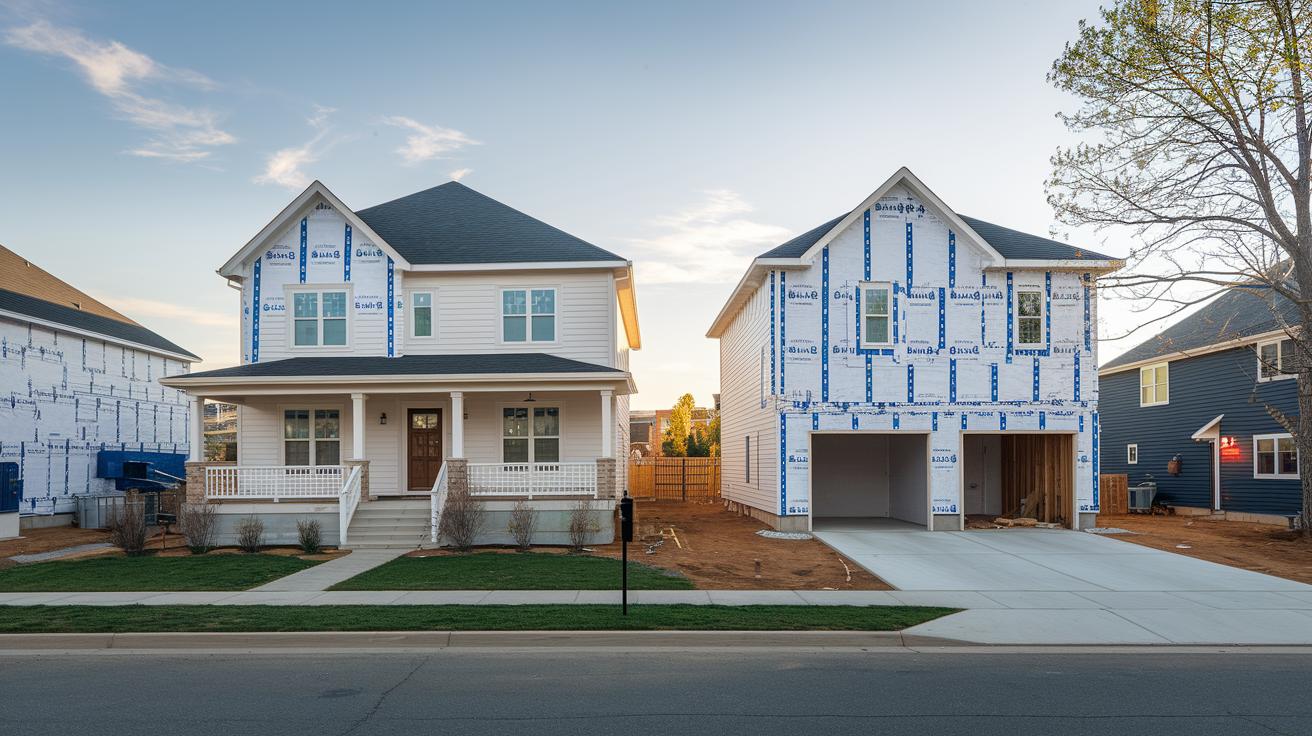
After the 2008 market crash, getting a loan became tougher and fewer new subdivisions got the green light. Developers have since turned to other housing styles. Lately, there’s been a strong push toward “missing middle” options, like duplexes and townhomes. Many see these choices as a way to make owning a home more reachable while fitting changing family needs and tighter budgets.
Local zoning rules are sparking new debates in low-density suburbs. Proposals for backyard cottages and accessory units have challenged old single-family zones, making headlines at local planning meetings. Critics argue that sticking to outdated zoning rules drives up home prices by limiting supply, while those with larger lots worry these changes might disrupt the traditional neighborhood vibe.
Looking ahead, experts expect more pressure to shift away from strict single-family zoning. As demand for affordable housing grows, new trends like mixed-use projects and flexible subdivision designs are likely to emerge. These changes could reshape suburbs, providing a wider range of housing options that suit modern lifestyles while trying to keep the neighborhood character intact.
Final Words
In the action, the post tells how community interactions and daily routines shape modern suburb life. It tracks the change from old neighborhood ties to today’s focus on local events, transit options, and housing trends. The blog digs into topics like street patterns, family schedules, zoning debates, and local green projects, all of which color american suburb life dynamics. The smart look at social bonds and practical transit updates leaves us with hope for communities that continue to grow and connect. Embrace the positive shift ahead.
FAQ
What does “American suburbs Reddit” refer to?
American suburbs Reddit refers to online conversations where users discuss suburban living, local culture, and community issues in America on the Reddit platform.
What is suburban America?
Suburban America refers to residential zones set outside urban centers, characterized by single-family homes, distinct community interactions, and evolving family lifestyles.
What does “American suburbs house” mean?
American suburbs house typically means the single-family homes that dominate these areas, often offering private yards and symbolizing post-war family-oriented residential growth.
What are American suburbs names based on?
American suburbs names often derive from local history, geographic features, or influential figures, reflecting the identity and culture of the communities.
How do American suburbs differ from European suburbs?
American suburbs versus European suburbs differ in planning and lifestyle; American areas lean toward car-dependent, single-family homes while European suburbs emphasize walkability and mixed-use zoning.
What is meant by “American suburb x”?
American suburb x might indicate a specific example or a case study within suburban contexts, highlighting unique local traits or community-specific characteristics.
What characterizes American suburbs in the 1950s?
American suburbs in the 1950s were marked by rapid development of single-family homes, modern planning, growing community centers, and a shift to family-centric neighborhoods.
Why were suburbs formed in the 1950s?
The suburbs grew in the 1950s as families sought affordable, spacious living after World War II, driven by economic opportunities and a desire for self-contained, family-friendly communities.