
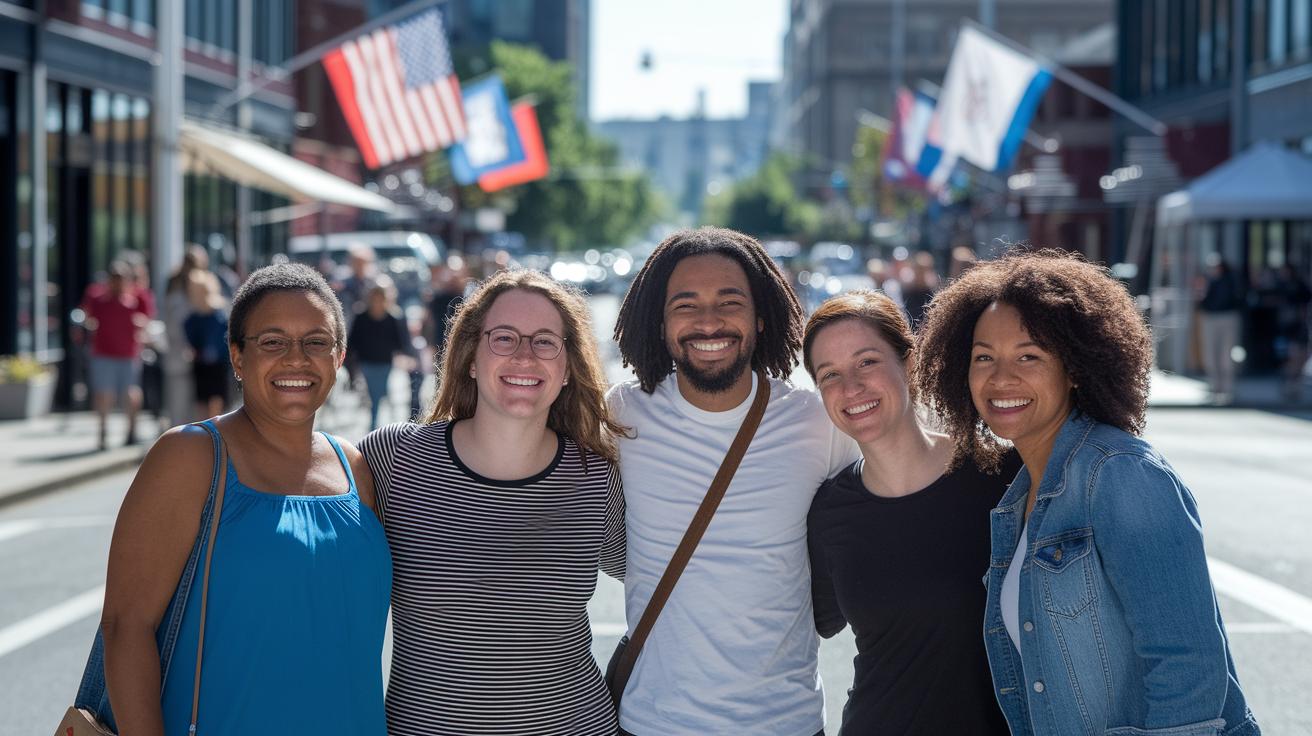

Immigrants fuel local business and bring a rich culture to our neighborhoods. Their energy turns everyday challenges into chances to build strong community ties. With nearly one in five Americans being immigrants, their impact is clear. This article explains how immigration boosts the economy while refreshing local traditions and values, offering a new look at what makes our communities thrive.
Assessing Immigration’s Impact on American Communities
Immigration has played a big role in building America. Spanish settlers arrived in the 1500s, and French and English newcomers followed in the 1600s. Over time, many indentured laborers and enslaved Africans added to the mix. Their hard work helped build the city centers and laid the foundations for a thriving nation.
Today, immigrants and their children make up nearly 60 million people in the United States, that’s more than 20 percent of the 335 million residents. This large group has enriched American traditions and boosted economic growth. Their contributions show how important immigration is in shaping the way communities live and work.
In the coming sections, we dive into how these changes affect our daily lives. We’ll cover the shifts in the economy, local culture, and policy debates that guide our society. This overview gives a clear picture of how immigration continues to redefine what it means to be American.
Economic Growth and Labor Market Changes in American Communities from Immigration

Immigrants fuel strong growth in America. In 2024, roughly 48 million immigrants, 14% of the nation’s population, played a key role in creating jobs and boosting economic development. They helped drive about $1.7 trillion in economic activity and contributed $652 billion in taxes in 2023. In addition, 31 million immigrants make up 19.2% of the civilian workforce, with a 67% participation rate compared to 62% for U.S.-born citizens. Their work powers both industrial and service sectors across the country.
| Economic Indicator | Value |
|---|---|
| Immigrant Population | 48 million |
| Economic Activity | $1.7 trillion |
| Tax Contributions | $652 billion |
| Workforce Share | 19.2% |
| Labor Force Participation | 67% |
The data shows immigrants are not just filling roles, they are reshaping key parts of the economy. They make up 22% of service workers, 13.9% in natural resources and construction, and 15.5% in production and transportation. Their diverse skills and fresh perspectives help broaden job opportunities and uplift community economies nationwide.
Cultural Assimilation Dynamics and Social Inclusion Initiatives in American Communities
Immigrant groups often connect by learning the local language. Many attend ESL classes or take part in multilingual lessons that help them handle daily tasks. Local groups back these efforts by offering regular classes and casual language sessions, making everyday life smoother.
Community centers and city education programs also create spaces for people to share and celebrate different traditions. These programs not only help new residents learn the language quickly but also build trust and unity in neighborhoods facing rapid change.
- ESL classes offered in schools and libraries
- Multicultural subjects integrated into K–12 education
- Community centers and welcome hubs
- Annual city cultural festivals
- Intercultural dialogue workshops and mentorship programs
Local leaders work to keep immigrant traditions alive even as newcomers adjust to the wider society. They support celebrations that mix native customs with local ways, hosting art shows, festivals, and heritage days. This blend of preserving unique cultures while adapting to new surroundings helps everyone feel connected and valued.
Urban Neighborhood Evolution and Population Trends in American Communities
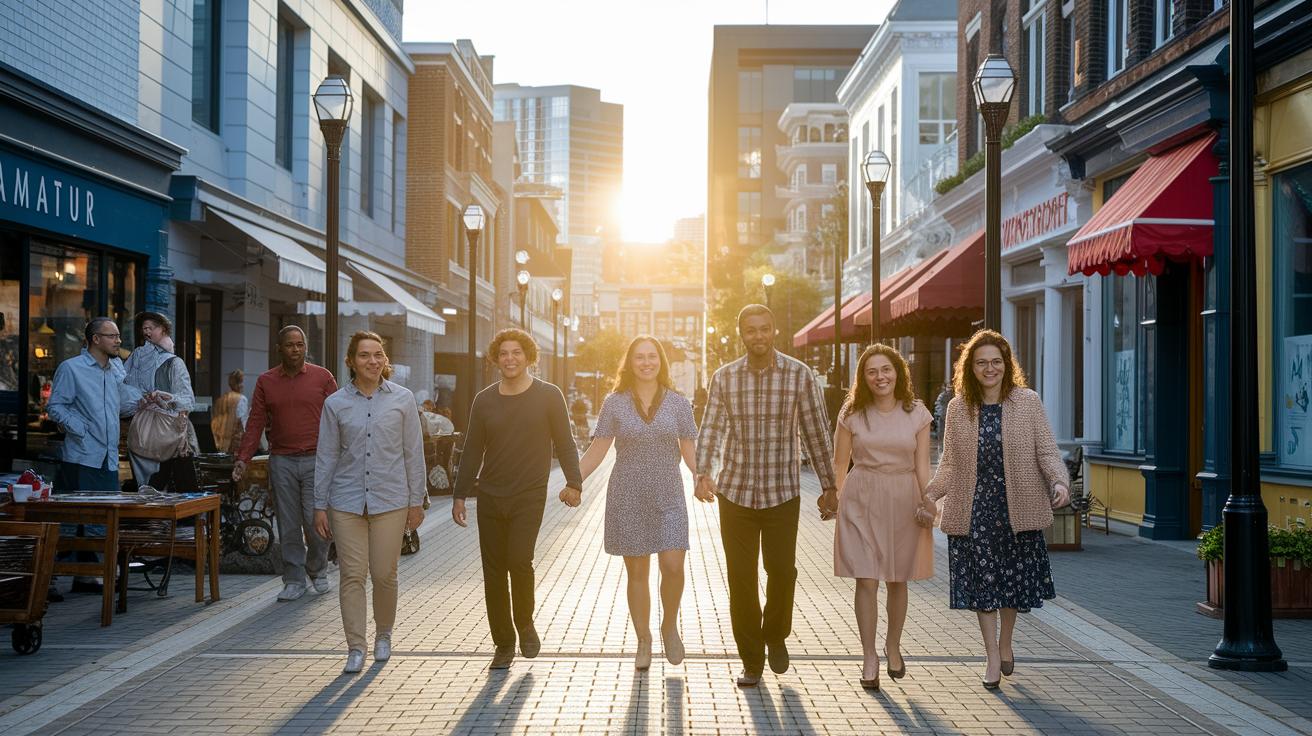
Immigration is reshaping communities across the U.S. New arrivals bring fresh energy that affects both bustling cities and quiet towns.
City centers are seeing big changes. Urban renewal projects, paired with waves of immigrant settlement, are breathing life into old neighborhoods. These areas now boast updated infrastructure, lively public spaces, and better community services. Many locals are experiencing a boost in civic pride and local investment.
Local districts are becoming more diverse. As small businesses and cultural ventures grow, immigrant-driven commerce is strengthening neighborhood ties and sparking new entrepreneurship.
Even rural areas are changing. In some small towns, clusters of new residents create pockets of growth amid overall population drops. These shifts prompt towns to adjust schools, healthcare, and public transport to meet the needs of a more varied community.
Overall, immigration is balancing growth between dense urban centers and spread-out rural districts, reshaping the national landscape one neighborhood at a time.
Public Policy Adaptation and Legislative Debates in American Communities
In the early 1900s, heated debates about immigration emerged after the 1910 Dillingham Commission report compared different immigrant groups. The report led lawmakers to adopt strict rules to manage the country’s changing population. Its findings shaped early efforts to control immigration and still influence conversations on national identity and security.
Today, new policy shifts are reshaping immigration laws. Officials have paused refugee resettlement, ended Temporary Protected Status, raised visa fees, and stepped up deportations. Lawmakers say these actions boost border safety, but critics worry they could hurt community ties and limit the economic benefits immigrants bring.
Local governments are also adjusting to these federal changes. Towns and cities are updating community settlement programs to match new rules. They are revising support services and administration to help newcomers integrate smoothly. These changes highlight the ongoing challenge of balancing tougher rules with the need to maintain strong, diverse communities.
Narratives of Successful Integration and Entrepreneurial Endeavors in American Communities
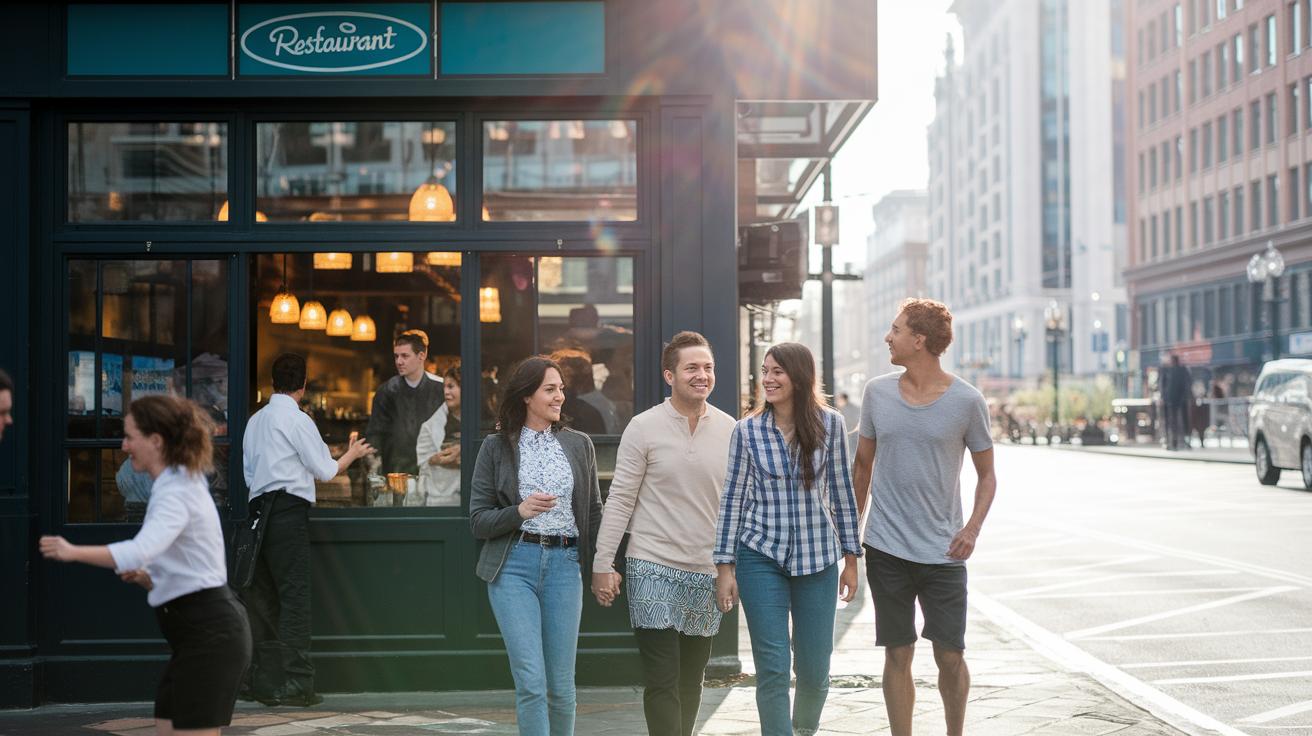
Immigrant entrepreneurs are changing local communities by boosting growth and inspiring local leadership. Their businesses create jobs and bring in new ideas that refresh city neighborhoods. These ventures build a strong economic base that helps everyone.
One family-run restaurant in a big city turned into a chain that serves a mix of cultural dishes. This story shows how hard work and community backing can lead to lasting success. It reminds us that creative small businesses can transform neighborhoods and bring people closer.
A new tech startup founded by an immigrant quickly attracted investors and created skilled jobs. This venture shows how fresh ideas from newcomers can drive progress. Immigrant innovation sparks change and helps build a diverse economy that keeps our nation competitive.
These stories link personal success to wider community benefits. By starting thriving businesses and sparking social change, immigrant entrepreneurs strengthen local resilience and show how diverse experiences create a lively and inclusive economy.
Ongoing Challenges and Future Prospects in the Impact of Immigration on American Communities
In many metro areas with large immigrant populations, there is a serious lack of affordable homes. This shortage puts pressure on local services and sparks debates over fairness. Rising rents and fewer options force communities to balance new development with the urgent need for affordable living. Local leaders are now rethinking how they allocate resources and trying fresh ideas to help long-term residents stay secure.
Officials are also updating social programs to keep up with growing demands in these diverse neighborhoods. They are shifting welfare resources to better serve an expanding population, and community services are evolving to meet higher needs. Decision-makers are revising policies to offer support that tackles new service and economic challenges.
Recent surveys show that public views are changing on how immigration affects local growth. Many residents now favor policies that protect affordable housing and reshape welfare programs. This shift in attitude is likely to lead to flexible policies that support diverse communities while encouraging growth and fairness.
Final Words
In the action, we traced major waves of immigration and their role in shaping American communities. We broke down how newcomers affect economic growth, cultural integration, urban evolution, and policy debates. Each point highlights data-backed trends and real-life examples that connect the dots between heritage and modern progress.
This overview shows the impact of immigration on american communities. It underscores a spirit of resilience and opportunity as communities continue finding ways to grow together.
FAQ
Q: What is the overall impact of immigration on American communities?
A: The impact of immigration on American communities includes stimulating economic activity, adding cultural diversity, and presenting challenges such as public service demands and housing pressures.
Q: What are the positive effects of immigration on American communities and the US economy?
A: The positive effects of immigration include boosting economic growth through job creation, increasing tax revenues, and encouraging entrepreneurial activities that strengthen local businesses and cultural diversity.
Q: What are the negative effects of immigration on American communities in the United States?
A: The negative effects of immigration can involve challenges like pressures on affordable housing, debates over resource allocation, and adjustments in social service provisions, which may strain local infrastructures.
Q: What information is available in PDFs and essays about immigration’s impact on American communities?
A: PDFs and essays on immigration’s impact present detailed analyses ranging from historical trends to current economic contributions and social changes, offering data-supported discussions of both benefits and challenges.