


Ever dreamed of a network that works at lightning speed? Recent breakthroughs in 5G are changing how we connect. This next-generation tech delivers almost instant downloads, whether you’re streaming a movie or performing a remote surgery. It’s like switching from a slow road to a smooth freeway, allowing more devices to connect seamlessly. From healthcare to smart cities, many industries stand to be transformed by this progress. These advances offer a clear glimpse into a future where fast, reliable connections shape everyday life.
Defining 5G technology breakthroughs: Key advancements and impact
5G is the latest leap in cell technology that brings super-fast internet and near-instant communication. With speeds up to 20 Gbps, you could download a full HD movie in seconds. This speed and nearly zero delay make new tech like augmented reality and self-driving cars possible.
4G did a good job with basic mobile needs, but 5G is built for much higher data loads. By 2024, about 45% of networks worldwide support 5G, and experts expect that figure to rise to 85% by 2030. This rollout means more devices can connect easily and with fewer delays compared to older systems.
- Sub-millisecond latency improvements
- Multi-gigabit download and upload speeds
- Support for many devices per cell
- Custom network slicing for different needs
- Advanced beamforming for focused signals
These benefits open up a new world for real-time applications in healthcare, manufacturing, and smart cities. Faster speeds and low delays help run essential tasks , from remote surgeries to automated quality control , making 5G the backbone for today’s digital innovations and future breakthroughs.
Emerging Millimeter Wave Innovations in 5G Breakthroughs

Millimeter wave technology is changing how 5G works, especially in busy city areas. Small, energy-efficient cells are now scattered throughout urban centers, each acting like a mini transmitter to boost signal capacity where demand is high. Think of it like adding extra lanes to a congested highway.
The Adaptive Modulation and Coding Scheme (a method that adjusts settings to reduce errors) helps keep data flowing smoothly, even at high frequencies. This system tweaks its transmission levels in real time to cut errors and maintain a steady connection.
5G uses a range of frequencies, from Sub-6 GHz to millimeter waves, to balance wide coverage with fast speeds. Sub-6 GHz offers reliable, broad reach, while mmWave bands deliver the high power needed for data-heavy tasks in concentrated areas. This blend of frequencies and smart tuning is key to supporting the growing need for many fast, simultaneous connections in modern cities, powering everything from sensor networks to immersive augmented reality.
Massive MIMO Developments Accelerating 5G Technology Breakthroughs
Massive MIMO boosts 5G networks by using large arrays of antennas at base stations. By adding dozens or even hundreds of antennas, these systems send several data streams at once to multiply connection capacity.
In busy urban areas, smart beamforming directs radio waves right toward your device. This focus not only strengthens the signal but also cuts down on interference, keeping service reliable even among tall buildings.
Adaptive transmission protocols adjust signal settings in real time. They pick the best modulation and coding to beat interference and match user demand, which means devices get the strongest possible connection.
These upgrades let carriers widen service areas without losing clear signals. They also support new uses like smart utilities and immersive entertainment, marking a big step forward in today’s fast-growing tech world.
Smart Network Slicing Methods Underpinning 5G Breakthroughs

The 5G NR standard, introduced in 2018, brought network slicing into the spotlight. Network slicing means that one physical network can be split into several virtual networks. Each slice is tuned for a specific task, from fast mobile broadband to essential industrial communications.
Recent progress in software-defined systems and virtualization has made it easier to set up these virtual slices. Virtual RAN elements let operators quickly roll out custom slices that meet high performance and tight security needs. Whether it’s ultra-reliable, low-latency links for remote surgeries or vast networks for IoT sensors, the system adapts in real time. This smart approach helps manage data-heavy streaming, critical industrial controls, and large IoT ecosystems all from one physical network.
| Slice Type | Description | Major Use Cases |
|---|---|---|
| eMBB | Enhanced Mobile Broadband | Video streaming, AR/VR |
| URLLC | Ultra-Reliable Low-Latency Comm. | Industrial automation, remote surgery |
| mMTC | Massive Machine-Type Comm. | IoT sensors, smart meters |
Edge Processing Integration and Low Latency Performance in 5G Breakthroughs
Edge computing nodes close to users bring data processing nearer to the source. Small servers set up near cell towers or on business premises reduce the distance data must travel and help achieve response times under one millisecond. Recent tests show that this approach can cut delays by more than 50%, ensuring reliable performance even during peak periods.
This setup is vital for systems that need real-time data exchange. In factories, for example, edge servers allow robots to communicate instantly, which keeps operations smooth and ensures precise quality control. Similarly, mixed-reality training benefits from near-user processing by offering live, interactive experiences with very little lag. Paired with ultra-reliable, low-latency network slices, this method promises to support sectors that depend on fast and accurate data exchange.
Practical Applications Driving 5G Technology Breakthroughs Across Industries
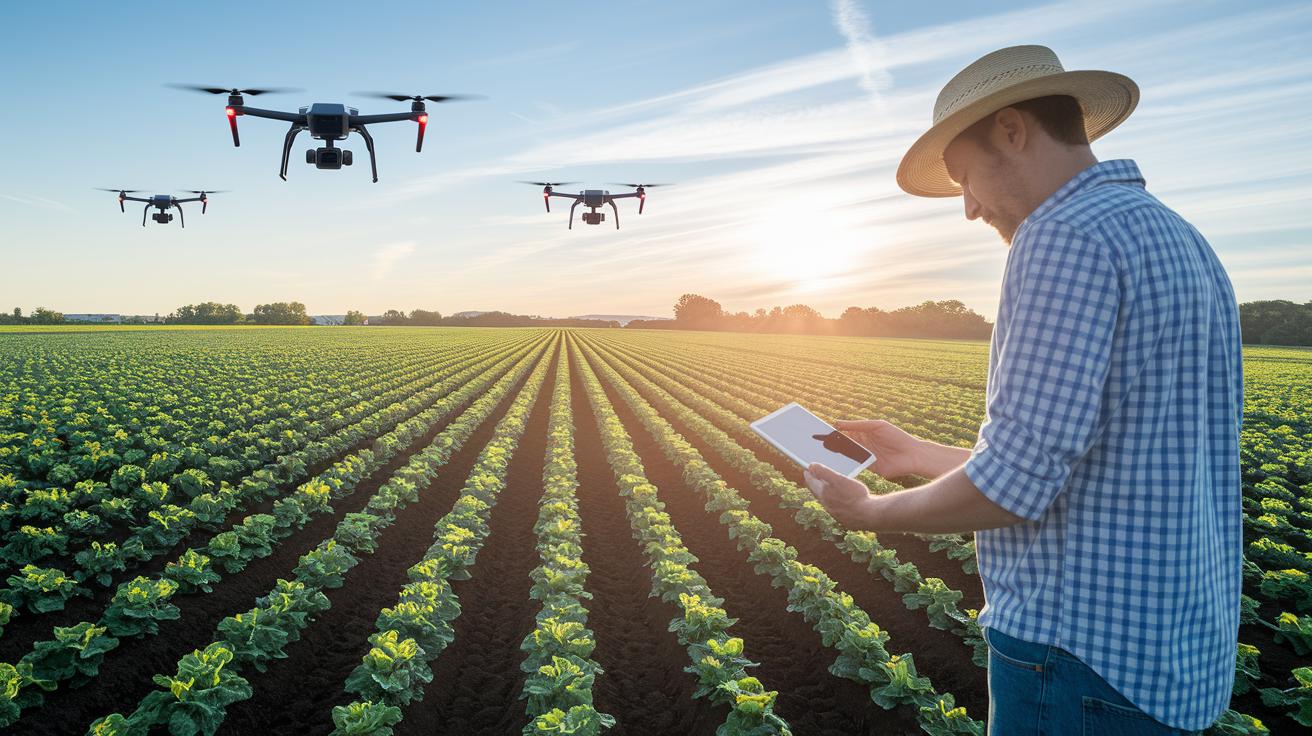
5G technology is changing many sectors with instant data sharing and the ability to support countless connected devices. This fast and reliable network lets industries build smarter systems that boost efficiency and safety. It is fueling everything from automated farming to responsive urban services.
Smart Agriculture
Farmers now use sensors and drones to get real-time updates about their crops. These tools help monitor soil moisture and weather conditions so that irrigation can be adjusted easily. For example, drones fly over fields and send data that guides water use, much like a pilot tweaking controls for a safe landing.
Smart Healthcare
In healthcare, 5G improves telemedicine and remote diagnostics. High-quality imaging and speedy data sharing allow emergency teams to consult with specialists or even guide procedures from afar. Picture a rural patient receiving life-saving help from an expert over a secure 5G connection.
Autonomous Vehicles
Vehicles now use 5G for quick, two-way communication, the kind that shares speed and location information in real time. This data helps cars work together to avoid collisions and manage traffic smoothly, making roads safer for everyone.
Smart Factories
Manufacturing plants benefit from 5G by using smart sensors and cameras to catch problems as they happen. These systems flag defects right away and predict maintenance needs before small issues become big disruptions. Think of it as spotting a misaligned component early enough to keep the whole line running.
Smart Cities
Urban areas are using sensor networks powered by 5G to manage traffic, issue public safety alerts, and monitor air quality. The data lets city systems quickly adjust street lighting, traffic signals, and emergency responses, leading to more resilient and efficient city life.
Future Trends and Next-Generation Modulation Techniques in 5G Breakthroughs
Academics and industry experts are coming together to design new network blueprints. Universities, national labs, and tech companies are working on early 6G ideas that promise speeds up to 100 times faster than today’s 5G, using ultra-high terahertz frequencies. These plans point to a rollout in the 2030s and show a clear commitment to pushing mobile connectivity further.
New modulation techniques are changing the way data moves over wireless channels. These methods let networks send and receive data with more efficient coding patterns. Dynamic spectrum sharing helps assign frequencies more smoothly among users, and AI tools adjust network settings on the fly. This keeps the system running well even when demand changes suddenly.
These combined efforts lay the groundwork for a constantly evolving telecom world. Advanced modulation and smarter spectrum use, along with solid academic testing, are making mobile networks more robust and adaptable. In short, these innovations are set to keep our communication systems fast and reliable for years to come.
Final Words
In the action, this article broke down how 5G technology breakthroughs are reshaping our connected world. It covered everything from high-speed wireless links to innovative beamforming and network slicing. Real-world examples, including smart cities and smart healthcare, show how these advances cut latency and boost capacity across industries. The discussion also peeked into future trends and next-generation modulation techniques. Overall, the insights show that 5G technology breakthroughs are unlocking better performance, making everyday tech interactions faster and more reliable. The future looks bright.
FAQ
What is 5G technology and how it works?
The 5G technology is the latest cellular system that offers ultra-fast speeds, reduced delays, and better capacity by using advanced methods like millimeter waves and massive MIMO to improve wireless connections.
What are 5G technology breakthroughs in 2021?
The breakthroughs in 2021 include higher speeds, lower latency, and increased capacity that allow more simultaneous device connections and more reliable data transfer in both urban and rural settings.
What are the biggest improvements 5G brings?
The biggest improvements include multi-gigabit speeds, sub-millisecond delays, and the ability to support many more devices per cell, which enables real-time applications and smart solutions across many sectors.
What technologies are there that will make 5G happen?
Key technologies include millimeter wave, massive MIMO systems, smart network slicing, and edge processing, which work together to improve capacity, speed, and reliability of the wireless network.
Which country is leading in 5G technology?
South Korea and the United States are seen as leaders in 5G deployment, with widespread testing, commercial rollout, and active research efforts driving significant advancements in network performance.
What is the future of 5G technology?
The future points toward expanded global coverage, more sector integrations like smart cities and healthcare, and continuous enhancements through both network optimization and emerging applications.
What is the latest technology after 5G?
Research on 6G is already underway, aiming to provide speeds far beyond 5G and operate in higher frequency bands, targeting even lower latency for critical, real-time applications.
What do 5G technology trends suggest?
Trends show a growing focus on network densification, AI-based network management, and expanding use of 5G in industries such as transportation, healthcare, and city infrastructure.
Where can I find resources like 5G technology articles, PDFs, and expansion presentations?
Various platforms offer comprehensive materials, including online articles, detailed PDFs, and presentation slides that explain the technical aspects and real-world applications of 5G advancements.