
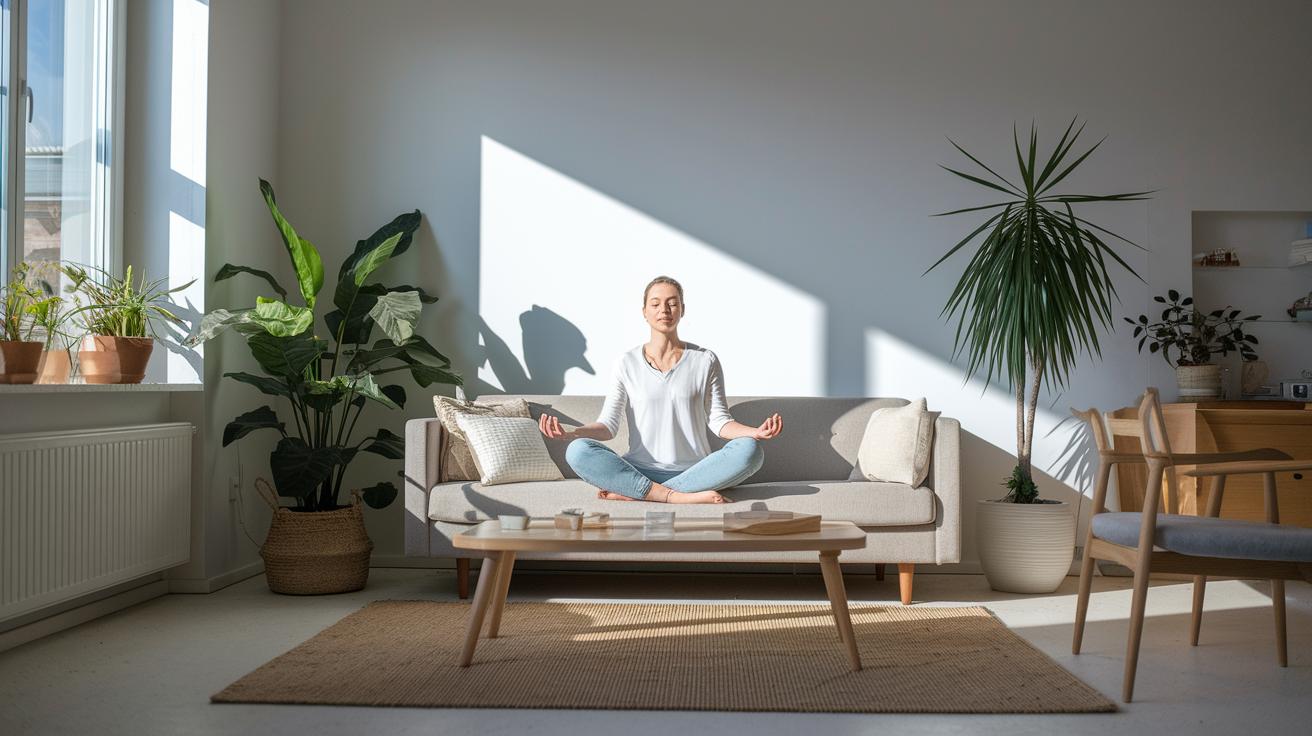

Does having more stuff actually make life better? Extra items can create clutter and add stress. A clean space helps you think clearly and feel calm. Imagine a home where every item has its place, easing your mind and streamlining your day. Choosing a minimalist lifestyle might clear the noise and boost your overall well-being.
minimalist lifestyle benefits: Stress Less, Thrive More
Clutter in your home can boost stress. Extra items lead your body to produce more cortisol (the body's main stress hormone). When your space is neat, your mind also becomes calm and ready to focus. Imagine stepping into a room where everything is in its place. Instead of feeling overloaded, your mind can quickly switch to solving problems.
A simple home helps you concentrate and feel free. With fewer things around, you face less distraction and more clarity. People often report feeling happier when they choose minimalism over the idea that more things equal a better life. This lighter environment lets you invest mental energy in hobbies, relationships, and other joys. In short, embracing minimalism gives your mind a welcome break, leading to a more peaceful and productive life.
Financial Relief from a Minimalist Approach

Clutter costs money. Almost half of Americans feel weighed down by unused items, and one in seven rooms becomes unlivable because of it. Keeping too much stuff can also lead to extra spending on impulse buys, cleaning supplies, or even storage rentals. Choosing minimalism means reducing these recurring costs. Each item you remove saves you money and cuts down your chores, so you can use that cash for savings or paying bills.
| Benefit | Detail |
|---|---|
| Reduced Overspending | 1 in 7 rooms is unusable; fewer impulse buys |
| Storage Cost Savings | Decrease the need for external storage fees by freeing up space |
| Time Reclaimed | Save 5–20 minutes daily (about 30–120 hours a year) |
These savings add up over time. Clearing clutter not only helps you avoid unnecessary expenses but also gives you extra time to manage your daily finances, paving the way to a more secure financial future.
Enhanced Focus and Productivity with Minimalist Spaces
A clutter-free setting lightens your mental load by removing the needless details. Fewer items let you focus clearly on what matters. This simplicity reduces stress and sharpens your thinking. Kids also thrive; a neat play area with fewer toys makes room for imaginative, focused play.
Americans spend about 5 to 20 minutes a day looking for lost items. That time adds up to 30 to 120 hours a year. Keeping your space simple not only cuts down on tidying but also frees up time for work or creative projects.
An organized space sparks fresh ideas and helps you stay focused. Adults can channel their energy better, and children enjoy deeper, more engaging play that builds problem-solving skills.
Environmental Advantages of Minimalist Lifestyle

A 2015 study showed that making household goods creates about 60% of global greenhouse gas emissions. This proves that everyday buying habits play a big role in climate change.
Buying fewer things naturally cuts down on waste. Living with less means using fewer resources and reducing the amount of trash that ends up in landfills and nature.
A minimalist lifestyle also saves energy every day. With fewer products to produce and ship, less energy is needed for manufacturing and transport. Over time, these changes help clear our air and water. By choosing to live with less, you help conserve energy and protect our environment for future generations.
Physical Health Rewards from Minimalist Decluttering
Clearing out clutter in your bedroom can really improve your sleep. Right now, about 27% of Americans use their bedrooms for storage, which often takes away the calm needed for a good night's rest. A neat room tells your body it's time to relax, which can lead to deeper, more refreshing sleep. Picture a space where every item has a home, this calm setup helps lower stress and cuts down on cortisol (the hormone that rises with stress).
Keeping your countertops and common areas clear boosts your daily habits. A tidy kitchen makes cooking at home simpler, encouraging more nutritious meals instead of quick takeout. With less mess to manage, you can also find more time for exercise and movement. In short, a clean, organized space not only supports your physical health but also helps you feel more vibrant and balanced every day.
Steps to Begin a Minimalist Lifestyle and Sustain It

A clear plan can help make minimalism a lasting part of your life. One smart start is a well-crafted ebook with 16 simple rules. This guide shows you which items matter most and which you can let go. It helps you quickly decide what stays and what goes, so your home feels peaceful and focused.
Use a 16-Rule Minimalist Rulebook
This rulebook breaks down your decisions. Its clear steps show you what isn’t needed. When every item earns its spot by following one of the 16 rules, your space starts to work for you. This makes clearing clutter straightforward and sets your priorities in order.
Engage in a 30-Day Minimalism Challenge
Try a month-long challenge to build new habits. Every day, tackle a small task that cuts out clutter. These daily wins add up to a neat, organized space and a fresh way of thinking. A little effort each day can lead to big changes over time.
Leverage Support Resources
Extra help can keep you motivated. Look into podcasts, 21-day journey guides, essays, and practical kits to get more ideas. These tools show real-life examples and tips to help you stay on track. With this support, you can manage any setbacks and celebrate your wins, making minimalism a natural part of your routine.
| Daily Action | Tip |
|---|---|
| Sort one category of items | Focus on one type each day |
| Adopt a one-in-one-out rule | Let something go with every new purchase |
| Set spending limits | Keep your weekly expenses in check |
| Schedule decluttering sessions | Plan a monthly clean-up |
| Reflect weekly | Review your progress every Sunday |
Final Words
In the action, this guide showed how reducing clutter cuts stress and enhances focus while easing daily financial burdens. Organized spaces not only improve sleep and boost creativity but also promote eco-friendly choices and healthier habits.
Each section offered clear steps, from battling cortisol spikes to reclaiming time and soothing mental load. Embracing minimalist lifestyle benefits can lead to lasting freedom and well-being. The path to fewer possessions is a path to a poised, brighter everyday life.
FAQ
What are the benefits of a minimalist lifestyle including scientific and psychological aspects?
The minimalist lifestyle benefits include reducing cortisol-linked stress from clutter, boosting mental clarity, and promoting happiness. Scientific and psychological insights show minimalism frees cognitive bandwidth, encouraging focus and personal freedom.
What are some examples of minimalist living?
Minimalist living examples include organized spaces, decluttered homes, and simple routines that prioritize essential items. Such examples reflect a lifestyle focused on quality and functionality over quantity.
What are the disadvantages of minimalism?
The disadvantages of minimalism can involve challenges with letting go of sentimental items and adapting to a less consumer-driven culture. Some may find strict limits too confining for personal expression.
Why should you adopt a minimalist lifestyle?
The benefits of adopting minimalism include reduced stress, enhanced clarity, and financial relief from less spending. It frees time for personal pursuits and fosters an overall sense of well-being.
What is the 5 7 rule in minimalism?
The 5 7 rule in minimalism serves as a guideline for balancing new purchases with mindful decluttering. It encourages evaluating each item’s true usefulness and eliminating excess possessions to maintain simplicity.
What is the 90-90 rule for minimalism?
The 90-90 rule for minimalism advises refraining from non-essential purchases for 90 days. This strategy helps reset spending habits, test commitment, and foster a more intentional, clutter-free lifestyle.
What does Jesus say about minimalism?
Jesus’ teachings stress valuing spiritual wealth over material possessions. His words promote simplicity, generosity, and focusing on inner growth rather than accumulating material goods.