
Have you thought that sticking with old methods might be keeping your business from growing? Digital tools are transforming industries and forcing companies to update how they serve customers.
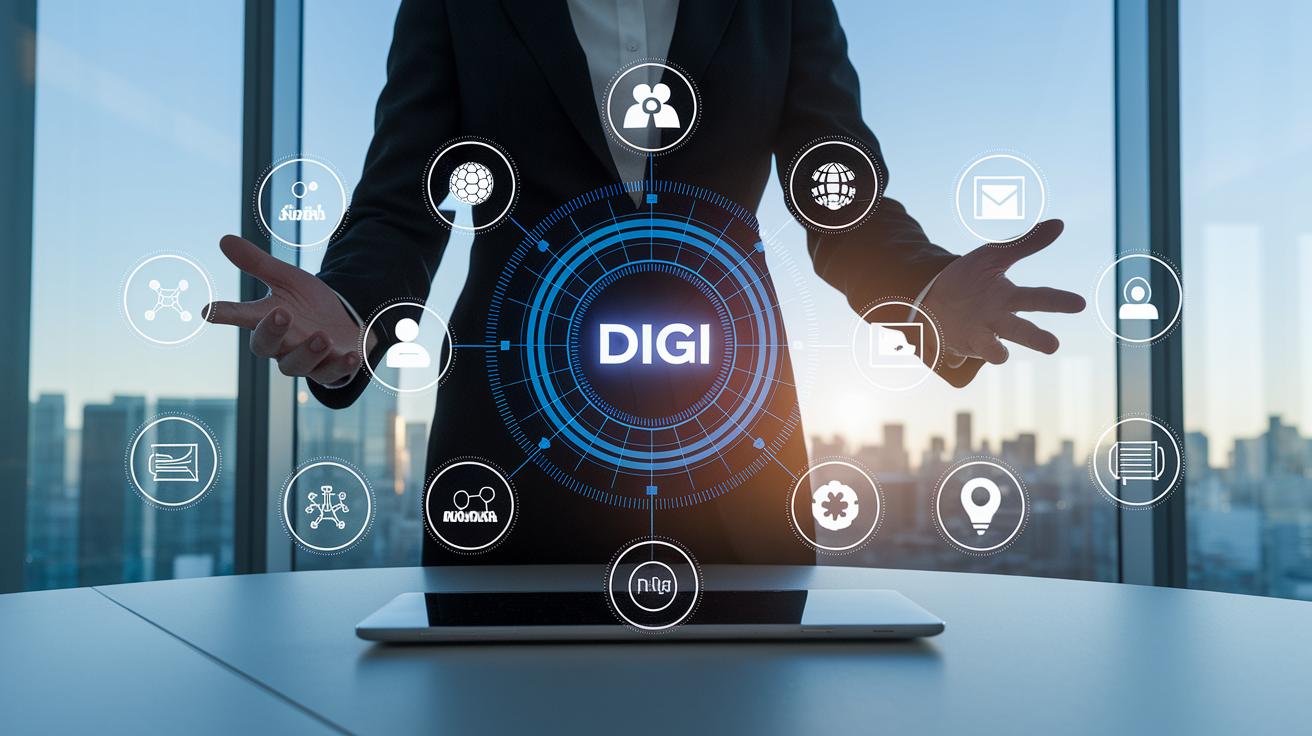
Advances like AI (computer programs that mimic human thinking), IoT (devices connected to the internet), and Big Data (large amounts of information used to guide choices) are helping businesses move away from outdated practices. Small stores are turning into full online experiences, and larger companies are adopting agile, data-driven strategies to make smarter decisions.
Embracing new technology means more growth and stronger engagement with customers. Digital disruption isn’t a temporary trend, it’s a powerful force that is reshaping how we work every day.
The Mechanics of Digital Disruption: Definition and Key Drivers
Digital disruption means that digital technology is changing industries faster than ever. Old business models are being challenged as companies create new services and products to meet the fast-changing needs of consumers. Think of a store that used to rely only on physical locations but now offers a full online shopping experience, that's digital disruption at work.
Key forces behind this change include artificial intelligence (AI), the Internet of Things (IoT), and Big Data. AI helps systems learn and adjust so businesses can improve customer service on the fly. IoT connects everyday devices to the internet, which keeps data flowing and makes service smarter. Big Data gathers huge amounts of information, so companies can spot trends and plan strategies better. Picture an early tech firm that tracked customer habits to warn them about possible issues, this is innovative problem-solving in action.
Many sectors such as retail, banking, education, and healthcare are using outdated methods that no longer work in today’s fast-paced market. Old ways of working can hold companies back from acting on customer insights. Businesses must rethink how they create value, connect with customers, and stay competitive. Those slow to adapt may lose ground to competitors who embrace digital change, missing chances to improve decision-making and boost customer engagement.
Digital disruption is not just a passing trend. Companies that weave modern technology into their core activities can update their offerings, work more efficiently, and meet new customer demands. This ongoing change pushes businesses to abandon old habits and keep inventing new solutions.
Digital Disruption in Action: Case Studies Across Industries

Telehealth is changing healthcare. One project, backed by a $350M federal grant and honored with ATSIP '24 Platinum Sponsor status, helps patients in remote areas get care quickly. A patient in a small town can now have a video call with a specialist in a big city, cutting wait times and improving treatment monitoring.
Banking is also evolving with new fintech tools. Innovations using blockchain (a secure digital ledger), artificial intelligence, and data analytics are speeding up peer-to-peer lending and spotting fraud instantly. These tools offer secure, personalized banking services. In retail, AI-powered support bots and custom marketing are making shopping more personal while speeding up responses.
Smart manufacturing is taking a lead with IoT sensors and robotics. Factories can now catch problems before they disrupt production, keeping operations smooth. Big Data combined with IoT is also helping the sustainable energy sector manage power grids and predict renewable resource use for a cleaner future.
Raven is a standout example of digital disruption, operating in Chile, Mexico, and Spain. Led by CEO Juan José de la Torre, named one of the top 200 global inspiring leaders at the Dubai Leadership Conclave 2023, Raven shows how smart digital transformation and innovative thinking drive industry success.
Digital Disruption and Business Model Reinvention
Digital change is pushing companies to rethink how they make money. As digital tools grow faster, older ways of generating income lose their edge. A company used to rely on film for images finds itself outpaced by digital methods.
Kodak’s story shows the risks. The company stayed with film and missed the shift to digital cameras, losing a key market opportunity. Transformation means making small tweaks to an existing plan, but disruption forces a complete redo. In music, shifting from physical CDs to streaming platforms like Spotify and Apple Music didn't just update the model, it changed how consumers pay, moving from one-time purchases to recurring subscription fees.
Some companies blend these approaches, improving current processes while also exploring new business models to reach more customers. This mix of fine-tuning and radical change often leads to a competitive advantage and fresh revenue streams.
Digital disruption means it’s time to let go of outdated methods. Firms that entirely reinvent how they work are the ones that stay ahead in a fast-changing digital world.
Assessing Exposure to Digital Disruption: The Enterprise Fitness Framework

The Enterprise Fitness framework is like a health check for your business. It helps companies see how digital changes might weaken what they do well and points out where to invest for improvement. For instance, a furniture store might discover that its focus on in-store sales is at risk when more customers choose to shop online.
This step-by-step tool makes sure digital insights guide every part of the strategy. It also stresses the need for a smooth experience across all channels, from websites to physical stores. That way, companies can quickly adjust and even benefit from new trends.
The framework focuses on:
By using this approach, organizations get a clear view of their current strengths and weaknesses. This helps them stay ahead of changes and succeed in a shifting market.
Digital disruption elevates industry success
Companies that change their plans for our fast digital world can see real rewards. They stay sharp and plan ahead. One smart move is to check out what competitors are doing with technology. For example, a company might study how a rival uses AI to work faster. Think of it as staying one step ahead by knowing what customers need before they ask.
Another tip is to gather feedback directly from customers through surveys and interviews. What people say shows what matters most and can turn a small idea into a top product.
Using new tech like artificial intelligence (tools that mimic human thinking), the Internet of Things (devices that talk to each other), virtual reality (computer-made worlds), and blockchain (a secure digital ledger) can freshen up old methods. Mixing these tools into everyday tasks creates a more personal experience for customers and makes work run smoother.
Teamwork inside the company is key. When people from different parts of the business work together, fresh ideas emerge. Companies should hold brainstorming sessions and borrow ideas from other fields to boost creativity.
Other strategies include setting regular check-ins with clear, small goals to track progress. This helps companies see what’s working and switch gears fast when needed. By putting both employees and customers first, businesses can weave digital tools into all they do and tweak plans with real-time data.
These steps help companies go beyond just surviving digital changes, they set the pace in the industry and create new ways of putting customers at the center.
Future Trends Shaping Digital Disruption

New tech is pushing digital change into new areas. Advanced AI will improve how we predict market moves and understand live data. This means companies can see trends faster and react quickly. Expanded IoT networks will link more devices together, making it easier to share data across different sectors.
Blockchain is growing beyond just safe transactions. It now helps with decentralized finance and makes cybersecurity stronger. Meanwhile, cloud-native platforms and edge computing will speed up digital services, keeping up with higher customer expectations.
Virtual and augmented reality are set to create engaging customer experiences. They will also let companies use digital twins, virtual copies of physical systems, to plan and maintain production. This makes hands-on testing and improvements much more efficient.
Innovation hubs will boost cooperation between different industries. For example, banks may work with tech startups to offer faster loan processes, and manufacturers might team up with digital experts to test production lines before building them. These trends point to a future where tech drives growth and predicts market changes, setting the stage for the next digital era.
Final Words
In the action, the post walked us through digital disruption and its key drivers reshaping industries. It highlighted cases in telehealth, fintech, and smart manufacturing along with examples of business model reinvention. We then looked at a practical framework for assessing digital risks and examined strategies that keep companies agile. The preview of future trends offers a fresh look at how technology will continue to drive change. Embrace digital disruption as a chance to boost growth and innovation. Stay agile, informed, and ready for new opportunities ahead.
FAQ
What are some digital disruption examples?
Digital disruption examples include telehealth expanding access through remote care, fintech using blockchain and AI for improved banking, eCommerce innovations with chatbots, and smart manufacturing with IoT sensors that boost operational efficiency.
How does digital disruption affect banking?
Digital disruption in banking uses blockchain, AI, and advanced data analytics to streamline operations, detect fraud in real time, and enhance customer service, shifting from traditional methods to more agile digital solutions.
What does a digital disruption PPT typically cover?
A digital disruption PPT usually covers key drivers like AI, IoT, and Big Data, showcases industry case studies, and explains how companies adapt their business models to embrace technological change.
How does digital disruption impact business?
Digital disruption in business forces organizations to reimagine their traditional models by integrating new technology, which leads to innovative products, improved customer experiences, and new revenue streams.
What are some synonyms for digital disruption?
Digital disruption synonyms include digital upheaval and technological transformation, which describe the radical shifts in business models driven by the adoption of new digital technologies.
What defined digital disruption in 2021?
Digital disruption in 2021 was defined by the rapid adoption of AI, IoT, and remote service models, prompting businesses to quickly update their operations and strategies to remain competitive.
What can you expect from a Digital Disruption podcast?
A Digital Disruption podcast covers emerging tech trends, current case studies, and expert insights that help listeners understand and prepare for the fast-changing digital landscape.
What information is contained in a digital disruption PDF?
A digital disruption PDF typically includes detailed analysis, case studies, and frameworks that explain how digital trends drive industry change, serving as a practical guide for strategic business planning.
What is meant by digital disruption?
Digital disruption means the radical industry change brought about by the adoption of new digital technologies, transforming how companies operate, interact with customers, and create value.
Does AI contribute to digital disruption?
AI contributes to digital disruption by automating key processes, enhancing data analysis and decision-making, and opening up new business opportunities that significantly alter traditional operations.
Which is an example of digital disruption?
An example of digital disruption is fintech using AI and blockchain for peer-to-peer lending and fraud detection, significantly transforming the conventional financial services landscape.
Who coined the term digital disruption?
The term digital disruption was popularized by industry analysts and innovators observing profound changes in market structures due to digital advances, with no single person credited for its origin.