


Conflicts between nations can sometimes spark hope for a better future. Even though global power struggles and economic fights can cause worry, they also push leaders to find smarter ways to cooperate. Decisions made in one area often spread effects to trade, diplomacy, and security across borders. This post shows how these challenges can unlock new opportunities for progress and international teamwork.
How Geopolitical Tensions Are Shaping Global Affairs
Geopolitical tensions are the strains that occur when countries compete for power, resources, and security in our diverse world. Global power struggles, conflicts, and rising challenges often push decisions in one region to have an impact far beyond its borders. This mix of competing national aims influences diplomacy, trade, and how new crises are managed.
Country tensions show up mainly in three areas. First, political battles occur as nations work to change global standards and challenge long-standing alliances. Second, economic disputes, using tariffs, import limits, or sanctions, can interrupt supply chains and trade links. Third, military build-ups and strategic moves highlight the constant risk of conflict. Changes in one area often trigger responses in another, making global security even more complex.
These issues affect both national stability and international order. With growing external pressures and shifting alliances, internal policies and community bonds can weaken. The mix of political, economic, and security challenges sometimes destabilizes regions, forcing countries to find careful ways to manage diplomacy and keep the global order intact.
- Russia-Ukraine: Military maneuvers and political stances are reshaping Europe's security outlook.
- South China Sea: Disputes over territory are increasing tensions among regional and global players.
- Middle East: Shifting alliances and power struggles are making peace harder to achieve.
- India-China border: Incidents along disputed borders are leading to military alerts and increased diplomatic friction.
- Arctic claims: Competing interests over untapped resources and shipping routes are driving rivalries in a changing climate.
- Taiwan Strait: Disagreements across the strait are raising security concerns as countries vie for regional influence.
Historical Drivers of Geopolitical Tensions
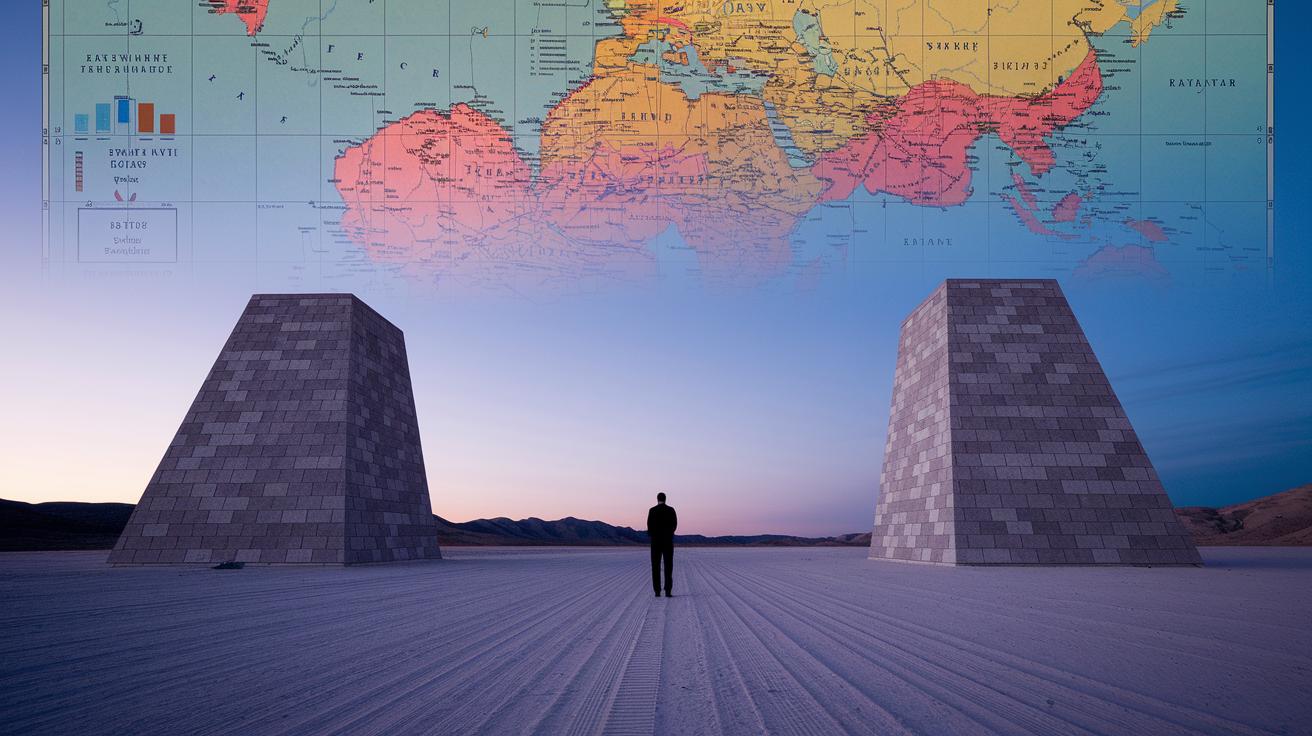
In early times, empires grew by both fighting and negotiating. They set borders that still shape our nations today. Old rivalries, often a legacy of colonial rule, sparked conflicts that redrew territories and power. Even now, disputes over land divisions continue to affect diplomatic ties.
During the Cold War, two major powers split the world into opposing camps. New nations, emerging after long years of colonial rule, embraced strong nationalism. Regional groups formed with different ideas on government, money, and security. These clashing visions shaped alliances, trade links, and defense plans, a legacy that still drives global power struggles.
More recent events, like the attacks on 9/11 and the challenges following the pandemic, mirror these historical trends. Countries have introduced new security measures and shifted political ties in ways that echo past responses to threats. This shows how history helps us understand how nations handle ongoing pressures and changing challenges.
Key Regional Power Shifts in Contemporary Geopolitics
Regions shape the global balance by serving as battlegrounds for national interests. They reflect differences in history, culture, and strategic goals. Local power struggles can change global trade, military moves, and diplomatic ties.
| Region | Major Actors | Current Flashpoints |
|---|---|---|
| East Asia | China, US, Japan | South China Sea disputes |
| Europe | EU, Russia | Ukraine standoff |
| Middle East | Saudi Arabia, Iran | Yemen proxy war |
| Arctic | Russia, Canada, US | Resource claims |
Across different parts of the world, similar rivalries unfold. These contests often boil down to economic interests, the need for a strategic edge, and the pursuit of influence. In East Asia, a long-standing contest over trade routes and control of the sea keeps rival powers on alert. Europe’s tension stems from a mix of historical issues and modern security concerns between the EU and Russia. In the Middle East, deep-set rivalries over resources and ideology push nations toward proxy battles beyond their borders. The Arctic has emerged as a new arena where countries vie for untapped resources and new trade routes as the climate changes. Even though each region has its own context, they all show a global trend of competitive shifts that spark local disputes and call for international cooperation to prevent bigger instability.
Economic and Trade Implications of Geopolitical Tensions
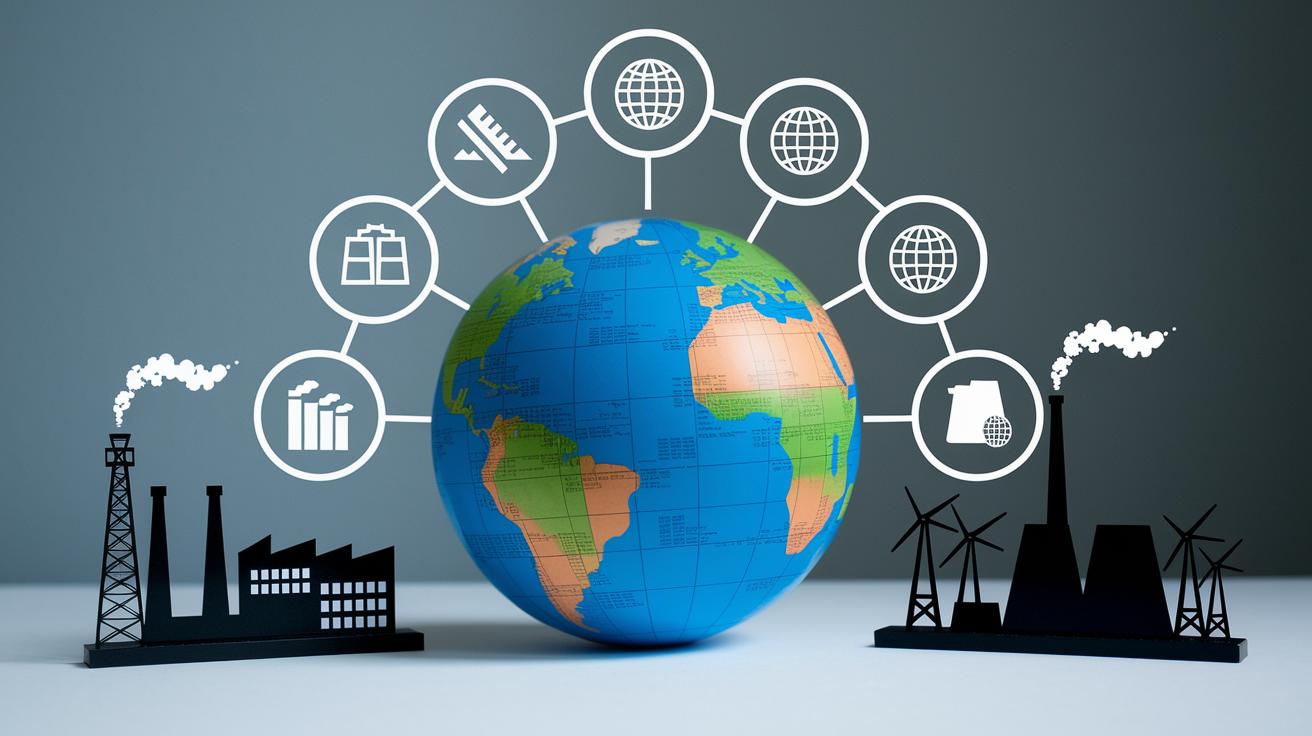
Countries use tools like sanctions, tariffs, and export controls to push back against rivals and secure their own interests. They do this by raising import costs or limiting access to key goods. For example, sanctions might stop vital resources, while tariffs add costs that spread through supply chains. These actions signal strong intent and reshape how international markets work.
Different business sectors feel these moves in different ways. In energy, supply breaks or sudden price jumps stress utilities and industries that need a steady flow. The semiconductor industry can face production delays and slower tech advances. Agriculture, too, may suffer from shifts in export volumes and crop prices when trade rules change quickly. These challenges force companies to adapt fast to keep production and delivery stable.
The market reacts not only in supply chains but also in investor attitudes and overall financial stability. Shifting commodity prices can shrink profits in major industries, and currency swings might occur as governments protect local businesses. In this climate, investors tread more carefully, knowing that policy moves can directly impact market certainty and growth.
Military Standoffs and Security Challenges Highlighted by Geopolitical Tensions
Defense budgets are growing as nations spend more money to upgrade their armed forces. Alliances such as AUKUS and Quad show that countries are working closer together as risks increase. These moves in spending and new partnerships help build a stronger security stance around the globe.
Major confrontations still grab global attention. Tensions along the Russia-Ukraine border continue with troop movements and military drills keeping everyone on alert. In the Taiwan Strait, naval forces are making strong displays of power. On the Korean Peninsula, military actions add to the uncertainty felt across the world.
New threats are changing how countries prepare for conflict. Cyber attacks on key systems have become larger and more sophisticated, challenging old defense methods. False information campaigns are spreading rumors that shake public trust. In addition, unmanned systems and hybrid warfare (a mix of traditional and modern tactics) blur the lines between civilian and military targets. These challenges push nations to update their strategies and strengthen their digital defenses.
Debates over nuclear weapons also shape policy talks. Leaders are trying to figure out how to manage these dangerous tools as a last resort, all while avoiding a dangerous escalation. Proxy conflicts in hot areas are making regional disputes worse without sparking full wars.
Diplomatic Instability and Crisis Management in Geopolitical Tensions

Traditional summit diplomacy is showing clear cracks. Formal meetings often stall under heavy pressure when everyone sticks to set protocols instead of opening up for honest talks. In one instance, a scheduled summit broke down because strict agendas stopped real conversation, leaving key issues unresolved.
Behind-the-scenes talks are now taking the spotlight. Leaders and diplomats use private channels and trusted third parties, like UN envoys, to speak freely away from the public eye. These back-channel discussions let them try new ideas and build trust without the pressure of a public stage. For example, informal talks in a neutral setting have led directly to temporary cease-fires.
Real-life examples reveal both successes and challenges in managing crises. In one case, secret mediation helped bring a ceasefire to a tense border area. Yet another high-stakes discussion fell apart because small miscommunications derailed progress. One envoy said, "Unexpected discussions produced a breakthrough," while another noted that even tiny errors can undo well-planned efforts.
Forecasting the Future of Geopolitical Tensions
Risk indices, like Country Risk Rankings and Bloomberg risk assessments, point to potential global instability. They track economic performance, political resolve, and social pressures to help us see where problems might emerge. Analysts use these models to understand how countries handle trouble and adjust to unexpected challenges. They monitor government policy changes, debt levels, public dissent, and local conflicts. These clues help policymakers, investors, and global organizations spot trouble spots and measure national risks. Early warnings from these indices are key in shaping decisions that may shift world order and reduce uncertainty.
Scenario mapping looks at the next five years to paint a picture of possible outcomes. In the best-case scenario, strong diplomacy and sound economic reforms lower tensions and ease risks. The worst-case scenario might bring more discord, tighter economies, and rising conflicts around the world. Most likely, progress will be a mix of both, with gains in some areas balanced by ongoing challenges in others. This clear view helps shape strategic plans and diplomatic moves aimed at cutting risks and guiding future policies.
Comparative Analysis of Current Geopolitical Crises
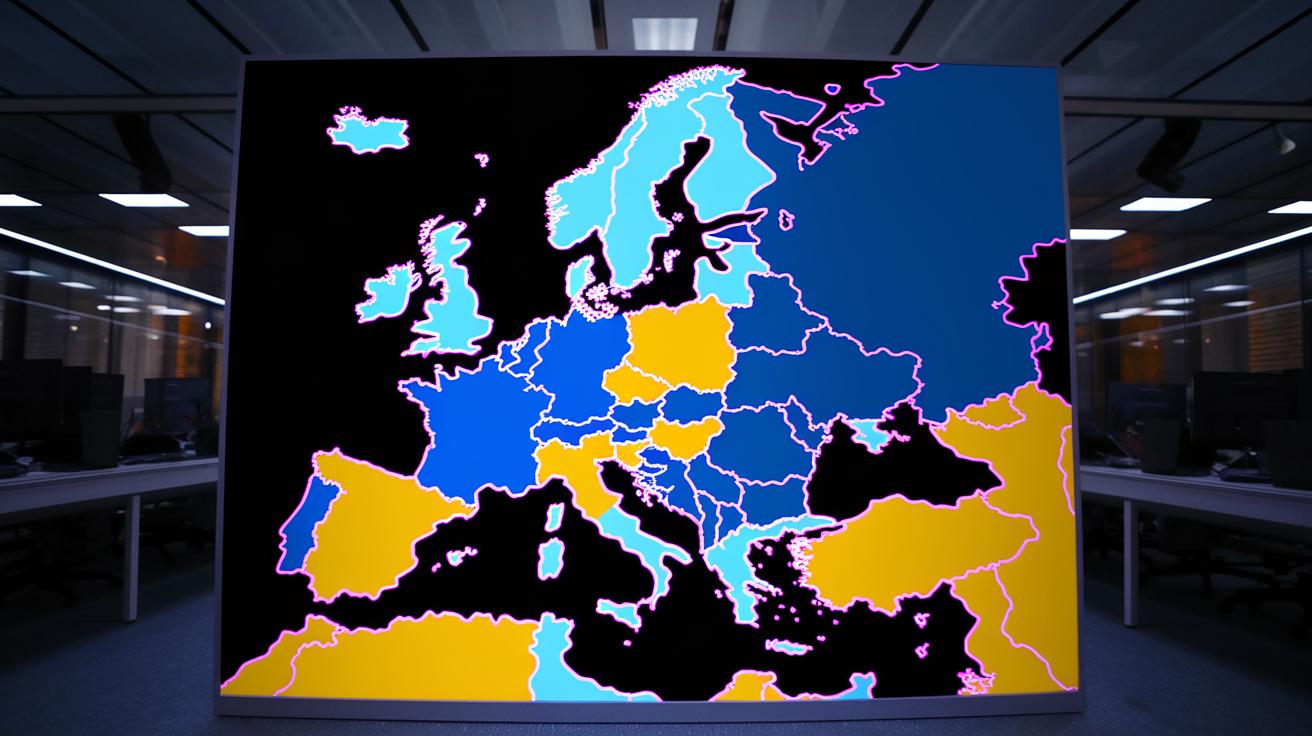
Comparing geopolitical crises helps us see what they share and how they differ. Experts look at history, fights over resources, and changing alliances to spot trends and unique features in each conflict.
The conflict between Russia and Ukraine shows how disputes can stem from ambitions for more land, a strong sense of national pride, and energy needs. Border fights have led to troop movements and shifts in international backing. Sanctions and economic measures add to the tension, making it harder to calm things down. This case shows how old grievances and strategic goals push a country to fight for its sovereignty and security, sometimes dragging neighboring areas into the mix.
In the South China Sea, several nations claim rights over islands and nearby waters using historical ties and international law. Regular naval patrols and the strategic placement of military assets turn the area into a hotspot where trade routes and economic interests meet. These standoffs not only involve legal debates but also see real-time moves that can escalate tensions and complicate diplomacy.
In the Middle East, conflicts take on a different look. Local groups, backed by states, fight indirectly, which often prolongs instability. Divisions based on religion and politics turn small disputes into larger struggles, reflecting deeper diplomatic challenges.
Overall, these crises share common factors like struggles over territory, competition for valuable resources, and shifting alliances. Each conflict is driven by its local history and regional ambitions, making the challenge of balancing national interests with international stability a persistent one.
Final Words
In the action, this post examined how global issues stem from political rivalries, economic disputes, and security stand-offs. It traced power shifts, trade disruptions, and diplomatic efforts amid geopolitical tensions, offering clear insight into today’s complex world.
Key hotspots include:
• Russia–Ukraine: An ongoing conflict remains a major flashpoint.
• South China Sea: Maritime disputes stir regional strain.
• Middle East: Proxy conflicts and power contests keep the area volatile.
• India–China border: Tensions persist along disputed lines.
• Arctic claims: Resource competition heats up.
• Taiwan Strait: Strategic moves impact regional balance.
FAQ
Q: What are geopolitical issues?
A: The term geopolitical issues refers to challenges that occur when geographic factors shape international politics. It covers conflicts over borders, resources, and influence that impact national and global stability.
Q: Can you give an example of a geopolitical situation?
A: An example of a geopolitical situation is the standoff in the South China Sea, with several nations contesting territorial claims over key trade routes, highlighting the clash between national interests and strategic control.
Q: What are current geopolitical tensions in 2025?
A: Current geopolitical tensions in 2025 involve disputes in regions like Eastern Europe, the Middle East, and Asia. They center on political rivalries, economic sanctions, and security standoffs reshaping international order.
Q: What do the news on geopolitical tensions focus on?
A: Geopolitical tensions news highlights ongoing political rivalries, economic disputes, and military standoffs. These reports help readers understand how such conflicts impact national stability and global dynamics.
Q: How do US-China relations factor into geopolitical tensions?
A: US-China relations drive key geopolitical tensions through conflicts over trade, military presence, and technology. Their rivalry influences regional power balances and shapes policies across the global market.
Q: What is a geopolitical risk index?
A: A geopolitical risk index measures the risk level linked to international conflicts and political uncertainties. It offers a score to help investors and policymakers assess potential instability in global regions.
Q: What is another word for geopolitical tensions?
A: Another term for geopolitical tensions is international power struggles. This phrase captures the competition among nations for influence, control, and security on the world stage.