

Thinking of taking a trip to Mexico? Recent travel warnings show many parts of the country are welcoming and easy to explore. Still, a few areas need extra care. The U.S. State Department says most regions are safe if you stick to basic safety tips, though some places carry higher risks. This guide explains the different safety levels so you can plan your visit with clear confidence.
Official Overview of U.S. Travel Advisories for Mexico
The U.S. State Department lists Mexico as a Level 2 destination. That means visitors should take extra care when planning their trips. Many parts of Mexico are safe if you follow normal safety tips. For instance, areas like Campeche and Yucatán remain at Level 1, and popular spots such as Chichén Itzá and Mérida see many international tourists without significant concerns.
Some states are marked as Level 3. Travelers are advised to think twice before visiting these areas. This group includes Baja California (with hotspots like Tijuana and Ensenada), Chiapas, Chihuahua, Coahuila, Guanajuato, Jalisco, Morelos, and Sonora. The higher risk here is mainly due to more frequent violent crimes.
A few regions fall under Level 4, the highest risk level. Although these places are few, current advisories stress that staying informed and taking smart precautions is key. Checking the latest local security updates will help ensure you enjoy Mexico’s rich culture and beautiful sites safely.
Mexico Travel Advisory Map and Regional Risk Levels
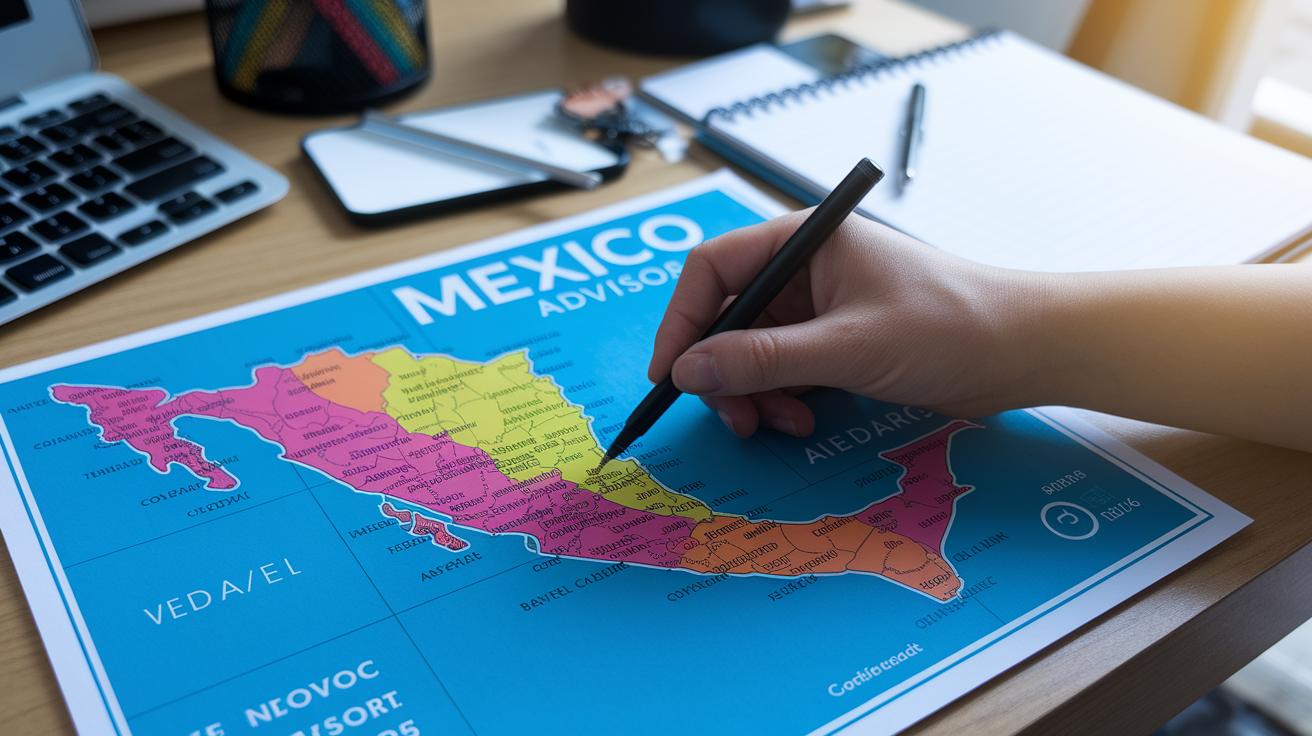
Mexico's advisory map shows risk levels by region, making it easier for travelers to plan their trips. It acts as a visual aid that supports other travel advisories without rehashing common details.
Interactive Visual Guide
This interactive map provides real-time security updates and travel alerts for Mexico. With a simple color code, you can quickly spot regions where extra caution is needed. See the table below for a clear overview of risk levels:
| Advisory Level | States/Regions |
|---|---|
| Level 1 | Campeche, Yucatán |
| Level 2 | Most regions |
| Level 3 | Baja California, Chiapas, Chihuahua, Coahuila, Guanajuato, Jalisco, Morelos, Sonora |
| Level 4 | High-risk areas |
Key Safety and Security Guidelines under Mexico Advisories
Stay alert with these simple tips to lower travel risks in Mexico:
-
Check local security alerts regularly
For example, tune into local radio or use a trusted news app. One traveler saw a warning before dinner about more activity in downtown areas. -
Avoid high-risk zones
Some travelers steer clear of Level 3 and Level 4 areas after hearing reports of disturbances late at night in nearby cities. -
Register with consular programs
Signing up for a consular notification service helps you get timely advice during emergencies. One tourist registered online and later received helpful tips when regional tensions increased. -
Understand cross-border travel protocols
Before heading near state lines, learn the customs rules and border-check procedures. A visitor reviewed the latest protocol from a trusted source before a border run. -
Stay informed on travel restrictions and local rules
Check for any changes to travel rules often. A seasoned expat advised looking up travel restrictions every morning before heading out.
Taking these proactive steps can help you explore Mexico with confidence while keeping safety a top priority.
Health, Visa and Entry Requirements in Mexico Advisories
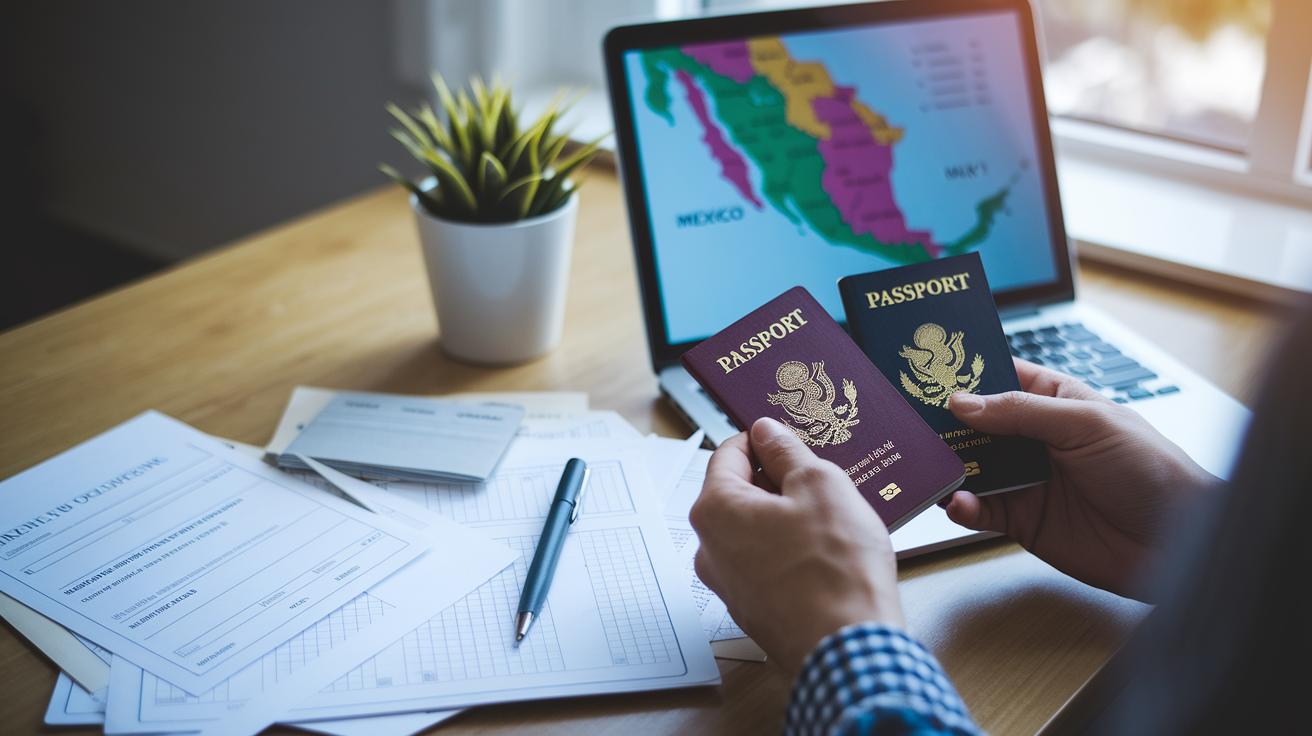
Before traveling to Mexico, check the latest COVID-19 travel guidelines and find out which vaccines you might need. Make sure your passport is valid for at least six months after your planned departure. Most visitors also need an FMM tourist card, available on arrival or through an online application before the trip.
Keep your travel documents in order. Entry rules can change with the seasons or new border policies. Some countries even suggest booking an appointment at a local consulate to update your visa if your stay is longer than a typical visit.
Here are a few tips to help you stay safe and meet all requirements:
- Check for the most recent COVID-19 travel updates to see if any new restrictions apply.
- Confirm that the details on your passport and FMM tourist card match.
- Look up Mexico visa rules for your nationality, as policies can change quickly.
- Verify travel insurance guidelines, including coverage for medical costs and emergencies.
- Keep copies of your travel documents in a safe place for quick reference if needed.
Following these steps will help ensure you meet all entry requirements and stay healthy while enjoying Mexico's lively culture and scenic landmarks.
Special Advisories for Popular Mexican Destinations
Cancún remains a favorite for tourists thanks to its sandy beaches and lively nightlife. But with more police patrols and reports of pickpocketing, it's a good idea to stay alert in busy spots. One traveler said, "I always keep a close eye on my belongings even during beach parties," which shows how important it is to be watchful.
Cabo San Lucas also attracts visitors from around the world. Local police have upped patrols on the waterfront, so it helps to check with your hotel for any news on rough tides or dangerous sea conditions.
In Puerto Vallarta, a few neighborhoods have experienced more disturbances recently. It's best to stick to well-traveled areas and avoid isolated spots after dark. A useful tip: plan your route in advance to steer clear of risky areas.
Mexico City offers a mix of rich history and modern life, though some parts of the sprawling city may have occasional security issues. Tourists should keep up with local news and stay cautious when walking on quiet streets during off-peak hours.
Tulum is known for its ancient ruins and eco-friendly resorts. While areas near popular sites are generally safe, parts away from the main attractions might see isolated incidents. To be safe, consider guided tours and reliable transportation options.
- Check local news for updates
- Travel in groups when exploring new neighborhoods
- Ask local tour operators about safety before visiting offbeat sites
Staying Updated with Real-Time Mexico Travel Advisory Alerts
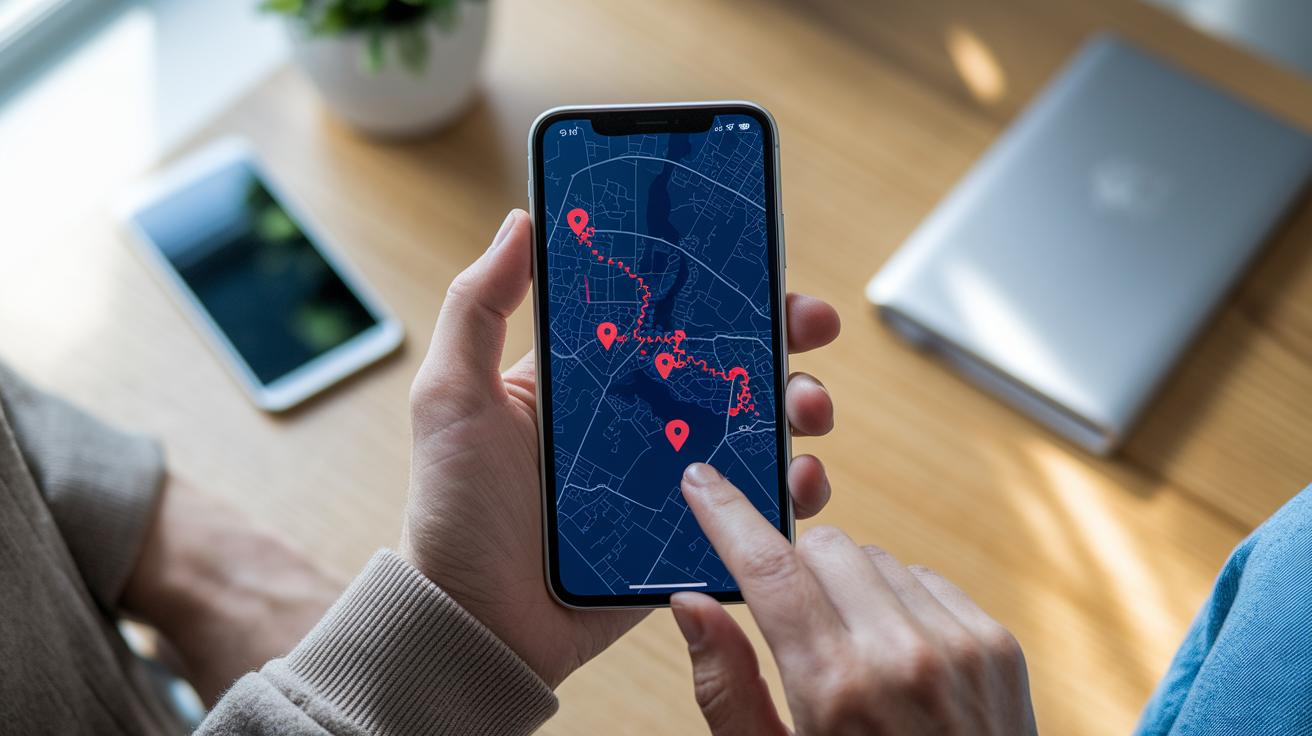
Stay safe by using digital tools that go beyond regular consular alerts. Some mobile apps now mix GPS tracking with government data to send you personalized updates. For example, one app shows you a live map and alerts you with a message like "Attention: security update near your current location" when you get close to a risk area.
Here are some tips to get started:
- Visit official government sites that offer live map overlays.
- Download mobile apps that push alerts based on your location.
- Choose apps that let you pick the updates you want, such as weather, security, or health alerts.
| Feature | Benefit |
|---|---|
| Interactive maps | See risk areas in real time |
| Geo-targeted notifications | Get alerts based on where you are |
| Customizable alerts | Focus on the updates that matter to you |
Final Words
In the action, the article breaks down U.S. travel advisories and risk levels for Mexico. It covers a range of topics from official assessments and state-by-state safety guidance to hands-on tips for crime and health precautions. We also looked at destination-specific alerts and real-time updates to help you plan a safer trip. Each section offers clear advice to follow travel advisories mexico without confusion. Stay informed and plan smart for a secure and enjoyable journey.
FAQ
What does the Mexico travel warning map show?
The Mexico travel warning map shows risk levels by state on a scale from 1 to 4, helping travelers identify safe areas and those with higher risks that need extra caution.
What travel advisories are in place for popular destinations such as Cabo, Cancun, and Puerto Vallarta?
The advisories for destinations like Cabo, Cancun, and Puerto Vallarta detail local safety conditions. Alerts for places including Sinaloa, Mazatlan, Cozumel, and Jalisco signal increased caution based on crime and security updates.
What areas in Mexico have level 4 advisory ratings and should be avoided?
Level 4 ratings mark the highest risks with serious safety concerns. Travelers should avoid these high-risk zones and consult updated maps before planning their trips.
What is the safest part of Mexico for tourists?
Regions labeled Level 1, such as Campeche and Yucatán, offer standard precautions, making them some of the safest parts for tourists to visit.