


Ever wonder if recognizing social truths can truly drive progress in our communities?
Woke culture began as a call to challenge old injustices. It has grown into a push for fairness and change.
This way of thinking encourages us to reconsider identity, inclusion, and equal rights. While some critics disagree, many supporters see these values as a spark for reshaping institutions and making lasting reforms.
In this post, we explore the roots of woke culture and its role in sparking meaningful change.
Woke culture: definition, roots, and contemporary relevance
Woke culture began in the Black American community as a response to racial injustice and bias. It meant being alert to unfair practices and standing up for those facing discrimination. In its early days, the term meant being mentally awake and ready to challenge oppressive systems. Community leaders urged people to “be awake to injustice,” urging a continuous awareness of inequality in their neighborhoods.
Over the years, woke culture has expanded to include a wider range of progressive ideas. It now covers issues like identity, gender equality, and economic reform. Many view it as a vital tool for social change, while others use the label to dismiss modern progressive views. Key traits of woke culture are:
| Trait | Description |
|---|---|
| Social-justice focus | Prioritizing fairness and equality. |
| Identity awareness | Recognizing and respecting diverse backgrounds. |
| Inclusivity emphasis | Supporting the inclusion of all groups. |
| Advocacy for marginalized voices | Giving a platform to those often overlooked. |
| Emphasis on systemic change | Calling for deep changes in societal structures. |
| Progressive policy support | Backing policies that move society forward. |
Today, woke culture is a major force in discussions that shape our society. It influences debates on school lessons, business practices, and government policies. Supporters see it as essential for addressing long-standing inequalities, while critics worry it may limit different perspectives and free speech. This debate reflects a broader struggle to balance rapid social changes with traditional values, making woke culture one of the most active and hotly debated topics in modern life.
Historical roots of woke culture
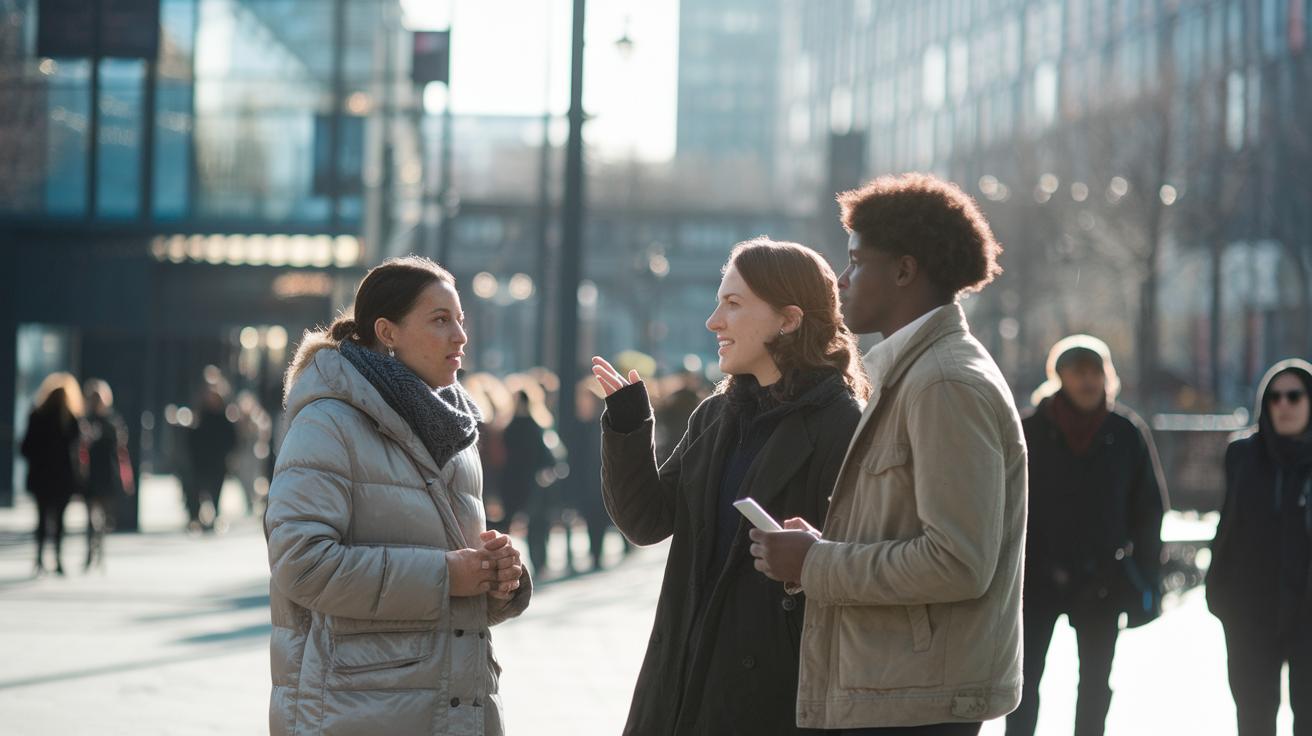
Woke culture has its roots in Black American speech, serving as a call to notice and fight against racial unfairness. It originally meant being alert and ready to push back against discrimination. Over time, especially during the civil rights era and through online activism, the term grew and shifted with society's needs. Today, it stands as a well-known rallying call for social awareness and change.
Early Black American usage
Early in the 20th century, Black American communities used the term to show they were aware of racial injustice. It was a clear signal to stay vigilant and oppose unfair treatment. This early use laid the groundwork for future pushes for accountability in society.
Civil rights era adoption
In the 1950s and 1960s, civil rights leaders and activists embraced the term as part of a broader push for change. It quickly became a strong call for justice as communities united to challenge segregation and discrimination.
Link to modern movements
By the 2010s, digital activism and movements like Black Lives Matter revived the term's impact. Today, whether used by supporters or critics, it serves as a complex symbol that sparks discussions on social justice.
Evolution of woke culture in modern discourse
The word woke started in talks about racial justice but now pops up in debates on healthcare and education. Many politicians use it to show they are shifting their focus. One politician explained, "Embracing woke ideals means reshaping our social contract so every citizen feels seen." This shows how the term has grown from a clear issue to a catch-all label in policy talk, urging lawmakers to look at new ways to make society fairer.
Today, the flexible use of woke shapes both big policy debates and local decisions. In one city, a school district updated its curriculum to mix current social stories with historical facts. This change sparked a debate on whether it is a move toward real progress or a way to blur clear responsibility. Some say these policies weaken efforts to fix specific problems, while others believe they are needed to reflect our changing society.
| Example | Impact |
|---|---|
| Civic debate | Redefined priorities |
| Education reform | Curriculum updates |
Woke culture in media and entertainment

Woke culture is changing the way media tells stories about society. Films, TV shows, and ads now feature diverse casts and inclusive plots that mirror social change. Media companies connect with viewers who care about fairness, even as debates over ideological excess continue.
Social media activism
Platforms like Twitter and Instagram spark quick conversations with hashtags like #StayWoke. Millions join the dialogue by sharing personal stories and supporting social justice in real time.
TV and film portrayals
TV shows and movies are now casting actors from varied backgrounds and crafting progressive storylines. These portrayals break old stereotypes and encourage discussions about fairness and equality.
Advertising and branding
Brands are incorporating social-justice themes into their ads to reflect the values of progressive consumers. By blending strong visuals with social commentary, these campaigns market products while also shaping cultural views on inclusion and reform.
Political and social implications of woke culture
Woke culture influences changes in both government and business. Lawmakers and business leaders use its ideas to shape policies that aim for fairness and accountability. Some proposals adjust school lessons and workplace rules. Others push for more diversity and equal opportunities. These moves have sparked new debates on how best to fix long-standing social problems.
Supporters say that including woke ideas in political decisions ensures that all voices are heard. They argue that updating old systems is a key step toward correcting past injustices and building a fairer society.
Critics, however, worry that these changes might limit free speech. They believe strict rules can block open discussions and narrow the range of viewpoints in both politics and culture.
Overall, woke culture has reshaped reform efforts in education, business, and government. Its impact continues to set the agenda for modern debates on fairness and representation.
Critiques and controversies surrounding woke culture

Woke culture faces strong criticism from many who say its influence is vague and punishes minor mistakes. Some argue that the term now covers almost any behavior and unfairly targets people for actions that might be overlooked. Conservative voices and cultural critics claim this trend turns progressive ideas into a tool for shaming those who stray from certain expected behaviors.
Critics say that the movement pushes strict social rules that can limit open conversation. They argue that policing language and behavior can stifle debate by quickly dismissing other points of view. Many worry that today's approach to woke culture narrows the range of ideas and forces discussions into a polarized space where even small differences are harshly condemned.
- Ambiguity of terms
- Overreach in speech policing
- Effects of cancel culture
- Ideological conformity
- Politicization of art and academia
These issues have sparked broader debates that impact both policy talks and everyday conversations. The clash over woke culture is deepening divides and driving more intense scrutiny of social and political practices in a fast-changing world.
Future directions for woke culture
Scholars say that easing division means pairing social awareness with real conversations. They point to previous waves of political correctness and stress the power of listening carefully, explaining calmly, and offering sincere apologies when needed. Their goal is to host open talks that welcome many views without driving society further apart.
Local governments and community groups are trying out changes that combine policy tweaks with community efforts. They're looking at revising school lessons and boosting local outreach so every voice is heard. The idea is to build a welcoming space for change while keeping the community united.
Debate continues over woke culture's role in shaping rules and defining our cultural identity. Both supporters and critics agree that it can drive progress but also risk more conflict. This dialogue shows a shared commitment to balancing improvement with respectful conversation, a balance likely to guide future changes in society.
Final Words
In the action, we traced woke culture from its early roots in Black American speech to its role in media, politics, and social debates today. The discussion outlined how its evolution sparks both support and criticism while still shaping progressive discussions.
The post mapped out key characteristics and future directions, showing that understanding woke culture can help us make sense of current trends and debates. The journey ahead is bright as we learn and adapt in this fast-changing landscape.
FAQ
What is a woke person and what does being woke mean, especially in Gen Z slang?
Being woke means staying alert to social injustices and systemic bias. In Gen Z slang, it shows someone is informed and sensitive about issues like racism and inequality, rooted in Black American speech.
What does “woke” stand for?
The term woke signifies an alertness to social injustices, originally focusing on racial discrimination. It now represents a broader awareness aimed at challenging unfair practices and promoting equality.
What are some examples of woke culture?
Woke culture examples include social media campaigns, diverse casting in film and TV, and brands using social-justice themes. These actions are aimed at challenging inequality and reshaping societal norms.
What is woke culture on Reddit?
On Reddit, woke culture appears through threads discussing social justice, memes critiquing inequality, and debates on progressive policies. Users share opinions and humor while questioning or supporting these ideals.
What defines the woke movement?
The woke movement is defined by a call for awareness and action against social injustices. It supports progressive reforms and highlights the need to confront historical inequalities through advocacy and systemic change.
What is the opposite of woke culture?
The opposite of woke culture often describes a return to traditional or conservative views that resist rapid social changes. This perspective criticizes progressive activism and favors established cultural norms.
What might woke culture look like in 2025?
In 2025, woke culture may continue to evolve, integrating social justice with renewed debates over political correctness. Future trends could see a mix of advocacy and dialogue aimed at balancing diverse societal viewpoints.