


Can small daily changes lighten the weight of depression? It may seem hard to believe, but research shows that even simple adjustments can make a big difference. For example, getting enough sleep, spending time in the sun, and reconnecting with friends and family can boost your mood. When you combine these steps with professional help, you gain a stronger sense of control over your feelings. This post outlines six everyday lifestyle changes that can help you manage your mental health and spark new hope.
Essential Lifestyle Changes for Depression Relief
New research from an international team has outlined six simple steps to manage depression. These guidelines offer practical ways to boost your mood without always relying on medication. They work well with professional treatment and help you feel more in control of your mental health.
-
Improved sleep
Set a regular bedtime and create a cozy sleep space. Try turning off screens a bit early and sticking to the same sleep schedule every day to help your body relax and lessen insomnia. -
Increased sunlight exposure
Start your morning with some natural sunlight to help raise your vitamin D and serotonin levels. If you don’t get enough light during the colder months, consider using a light therapy lamp to simulate outdoor brightness. -
Social reconnection
Fight loneliness by reaching out to a friend or family member. Joining local groups or support communities is a great way to lift your spirits and build strong emotional support. -
Stopping rumination
Break free from repetitive negative thoughts. Try mindfulness exercises or keeping a journal to shift your focus away from worries and prevent your mood from sinking further. -
Dietary adjustments
Aim for a balanced diet by cutting back on heavily processed foods and artificial additives, and add more omega-3 rich foods like fatty fish or flaxseed. These changes can help steady your mood over time. -
Regular exercise
Incorporate some physical activity into your day, even if it’s a short walk or a bike ride. Regular movement can boost your energy and help ease depressive thoughts.
Incorporating Exercise Lifestyle Changes for Depression

Regular exercise can boost your mood and help break the cycle of negative thoughts. Research covering 41 studies shows that even short bursts of activity can lift your spirits when you're feeling down. Pick activities you love, and try to do them for 30 minutes most days. Over time, this steady routine can make a big difference in how you feel.
Examples of effective workouts include:
- Walking outside to soak up some sunlight
- Cycling around your area or using a stationary bike
- Swimming laps, which work the whole body and are gentle on your joints
- Practicing yoga to improve flexibility and calm your mind
Set simple, realistic goals and treat your exercise sessions like appointments you can’t miss. Even a brief walk can change your mood and keep you on track toward feeling better.
Adopting Nutritional Lifestyle Changes for Depression Management
New research shows that cutting back on processed foods and artificial additives can help keep your mood steady. Instead of ultra-processed items and processed meats, focus on whole, nutrient-rich options. Foods like fatty fish or flaxseed add omega-3 fats that support brain health and help manage your mood. Even small changes in your daily meals can bring a fresh sense of hope in handling depression.
Below is a sample meal plan to guide your balanced eating:
| Food Category | Mood Benefit | Suggested Servings |
|---|---|---|
| Lean Protein (fatty fish, tofu) | Boosts brain health | 2-3 servings per week |
| Whole Grains | Provides steady energy | Every meal |
| Fresh Fruits & Vegetables | Loaded with antioxidants | 5+ servings daily |
| Nuts & Seeds (flaxseed, walnuts) | Give an omega-3 boost | 1-2 servings daily |
Consider adding these nutrient-rich choices to your diet:
- Fatty fish like salmon for omega-3 fats
- Flaxseed and chia seeds to support brain function
- Leafy greens such as spinach for essential vitamins
- Fresh berries to help fight off toxins
- Legumes and whole grains for steady energy
These natural dietary changes can work alongside other treatments to offer extra support in managing depression.
Sleep Cycle Lifestyle Changes for Depression Recovery
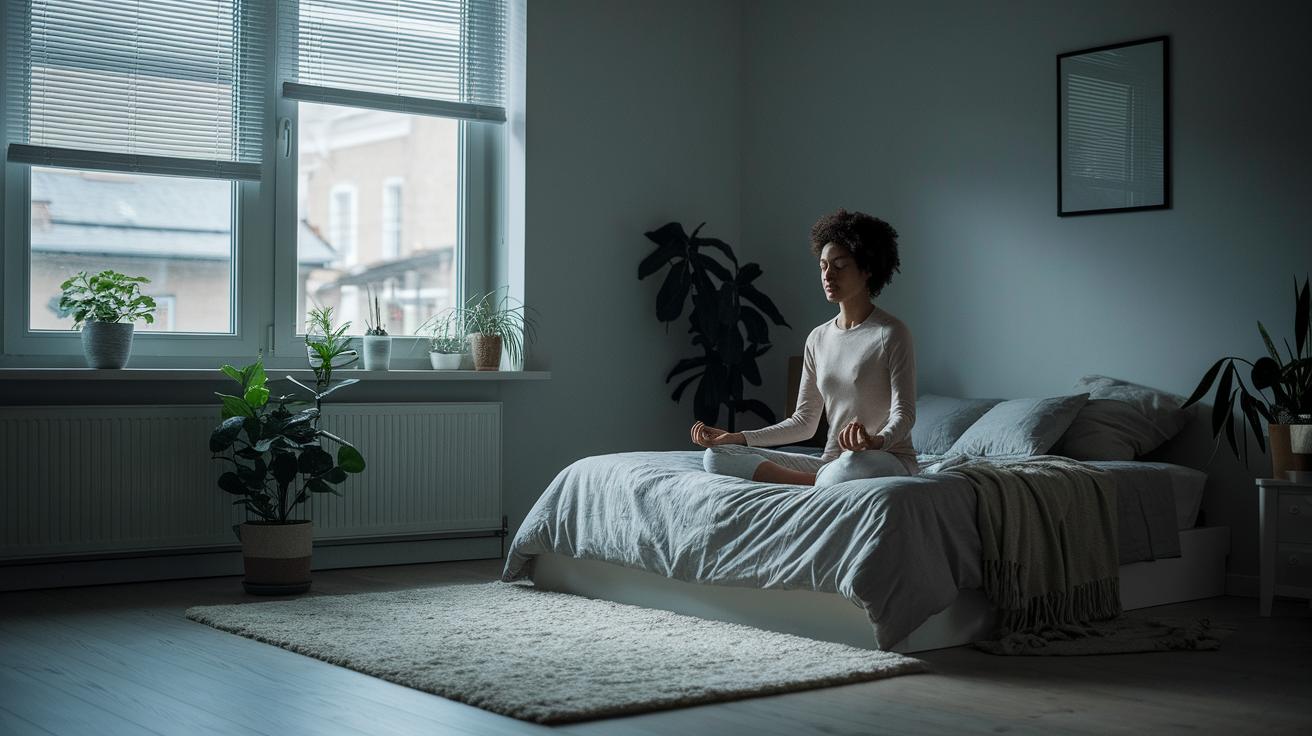
Studies show that nearly 80% of people with depression have trouble sleeping. Adjusting your sleep habits can lift your mood and set your body’s clock right.
- Go to bed and wake up at the same time every day.
- Avoid screens and blue light for at least one hour before sleep.
- Build a calming routine before bed, such as reading, a few stretches, or simple journaling.
- Keep your bedroom cool, dark, and quiet to create a sleep-friendly space.
- Start your morning with 15-20 minutes of sunlight or use a light therapy lamp to help wake up.
These simple changes can ease insomnia and help balance your mood.
Mindfulness and Stress Management Lifestyle Changes for Depression
Chronic stress raises cortisol levels, which can lead to inflammation, muscle tightness, high blood pressure, and stomach upset. These body reactions may worsen feelings of depression. Mindfulness activities and relaxation techniques can help reduce stress and bring clearer thinking.
A daily routine can build a calmer mind. Try using this simple schedule:
- In the morning, do 5 minutes of guided meditation to focus your thoughts.
- At midday, take 10 minutes for slow, deep breathing.
- In the evening, spend 10 minutes doing a body scan by checking for and easing any muscle tension.
If you're just starting out, keep these tips in mind:
- Start with short sessions and slowly increase your time as you feel more comfortable.
- When your mind drifts, gently bring your attention back to your breath without being hard on yourself.
- Use a timer or a reminder app to keep your practice regular.
- Try different methods like muscle relaxation or visualizing calming scenes until one feels right.
These simple practices can lower stress hormones and build a steady routine that supports mental balance.
Social Connection Lifestyle Changes to Support Depression Treatment

Connecting with people can lift your mood and help you handle depression better. If you're feeling alone, try finding a local group or join an online community where you can swap stories and tips. Check community centers, libraries, or mental health clinics for events that mix socializing with outdoor activities like walking clubs or community gardening. Online meetings and forums also offer a safe, easy way to connect when meeting in person is too tough.
- Check local community centers or libraries for support groups
- Try outdoor activities like walking clubs or park fitness sessions
- Explore virtual support groups or online discussion forums
- Look for local classes or workshops focused on wellness and stress relief
These conversations and activities provide real support and practical ideas to help you navigate everyday challenges.
Final Words
In the action, we reviewed practical steps for mood management. The post covered clear tips for better sleep, regular exercise, balanced nutrition, mindful stress relief, and rewarding social connections. Each section laid out simple ways to strengthen habits and build a reliable routine for mental well-being.
These lifestyle changes for depression offer a hands-on approach that makes improving mood achievable every day. Small steps can lead to lasting progress and a more balanced outlook.
FAQ
What are effective strategies to cope with depression, boost mood, and feel better overall?
Effective strategies include establishing a steady sleep routine, regular exercise, balanced nutrition, practicing mindfulness, and engaging with others. These actions support mood and help ease depression.
What are the 5 R’s of depression?
The term “5 R’s of depression” is not a standard clinical model. Some experts refer to steps like rest, reflection, reconnecting, routine, and resilience, but these are not universally defined.