


What if ideas born in hard times still guide us today? During the New Deal, leaders launched reforms to fix a broken economy. These changes came after bank failures and massive job losses. They created jobs, built community projects, and upgraded our roads and bridges. Today, these reforms still influence our policies and decisions. This post explains how lessons from the past continue to spark change now.
Comprehensive Overview of new deal reforms
During the Great Depression, from 1929 to 1941, America's economy hit rock bottom. Bank failures and skyrocketing job losses left millions without work or hope. In response, President Franklin D. Roosevelt moved quickly with a three-part plan: Relief, Recovery, and Reform to calm the financial storm and rebuild trust.
Key agencies drove this change. The Civilian Conservation Corps (CCC) put millions of young men to work on environmental projects that still benefit us today. The Works Progress Administration (WPA) created jobs that boosted arts, culture, and community infrastructure. At the same time, the Public Works Administration (PWA) invested billions in building roads, schools, hospitals, and dams, a foundation for modern infrastructure.
These early steps tackled immediate hardship and set the stage for long-term growth. The New Deal not only cut down unemployment but also restored public confidence in a shaky economy. Its legacy lives on in today’s efforts to manage economic ups and downs and keep our financial system steady.
new deal reforms Phase I: The First New Deal (1933–1934)
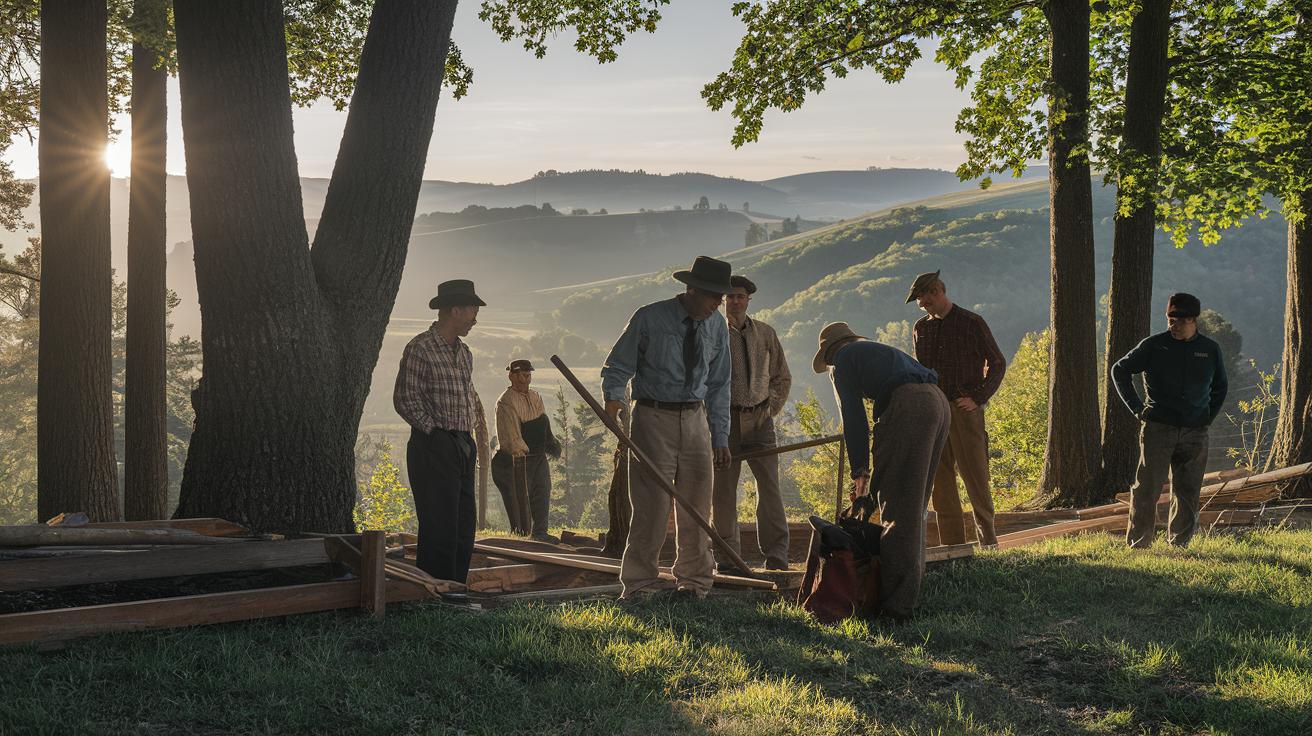
In the early days of the New Deal, President Roosevelt’s team moved quickly to help a country in deep crisis. They worked to restore trust in American institutions and put millions of people to work. For example, the Emergency Banking Relief Act shut down banks that did not meet federal standards, easing the fear in the financial sector. The Civilian Conservation Corps (CCC) gave over 3 million young men a job caring for public lands. Before joining the ranks of the unemployed, many young men found new purpose when the CCC turned barren areas into thriving parks and reforested lands.
The government also helped farmers with the Agricultural Adjustment Act. This law paid farmers to cut back on crops, which helped stop prices from falling too low. In the Tennessee Valley, another law led to building dams for flood control and hydropower, sparking regional growth. The National Industrial Recovery Act tried to set wages and prices to stabilize industries, even though its rules did not last long in court. Later, the Public Works Administration invested $3 billion in essential projects like schools, hospitals, and landmarks such as the Hoover Dam. The Securities Exchange Act of 1934 brought order back to the financial markets by creating the SEC, a new watchdog agency.
| Act | Year | Primary Objective |
|---|---|---|
| Emergency Banking Relief Act | 1933 | Stabilize banks by closing insolvent ones until compliant |
| Civilian Conservation Corps | 1933 | Employ young men in conservation and public lands projects |
| Agricultural Adjustment Act | 1933 | Pay farmers to reduce crop surplus and stabilize prices |
| Tennessee Valley Authority Act | 1933 | Build dams for flood control and create regional power |
| National Industrial Recovery Act | 1933 | Regulate wages and prices (later ruled unconstitutional) |
| Public Works Administration | 1933 | Invest $3 billion in infrastructure projects |
| Securities Exchange Act | 1934 | Establish market transparency and create the SEC |
new deal reforms Phase II: The Second New Deal (1935–1938)
The Second New Deal reshaped American policy by creating jobs, securing labor rights, and helping families find stable housing. It built on earlier programs and still influences today’s policies. These measures not only gave people work during tough times but also set lasting rules that protect workers and support families.
Key programs included:
-
The Works Progress Administration (WPA) started in 1935. It provided millions with jobs on construction and cultural projects. One program, Federal Project One, received $27 million to boost art and cultural work, helping preserve American heritage.
-
The National Labor Relations Act of 1935 gave workers the right to join unions and bargain for fair conditions. This law created an organization to monitor labor practices and greatly improved worker rights.
-
The Social Security Act, passed in 1935, introduced retirement and disability benefits. Funded by payroll contributions from both workers and employers, it laid the groundwork for a system that still helps millions today.
-
The Fair Labor Standards Act of 1938 set a minimum wage, established an eight-hour workday, and provided for overtime pay. This act ensured safer and fairer work conditions for many Americans.
-
The National Housing Act set up programs like the Federal Housing Administration and FSLIC to make homeownership accessible and to keep the housing market stable.
Financial System Restructuring in new deal reforms
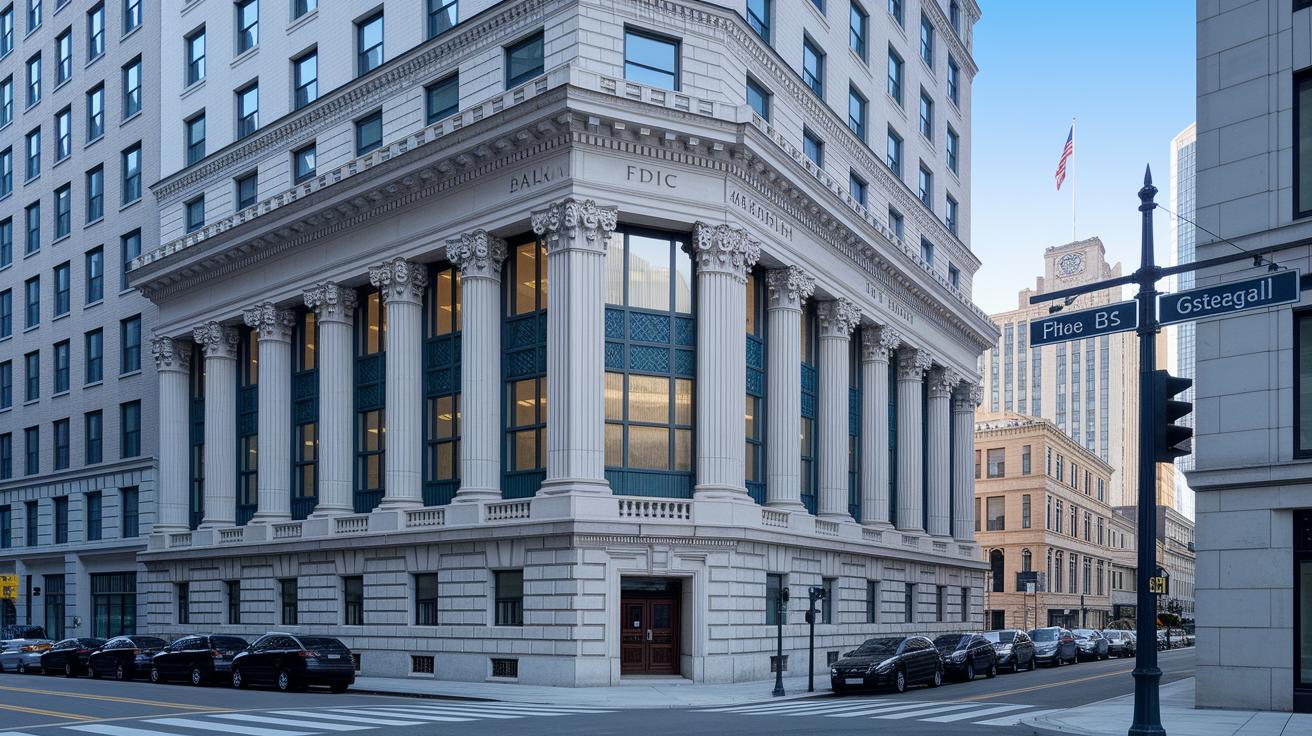
After the 1929 crash, leaders had to fix a crumbling financial system quickly. The Glass-Steagall Act was key because it split regular banks from those making riskier investments. This clear separation helped stop banks from taking too many big risks.
In 1933, the government created the Federal Deposit Insurance Corporation (FDIC) to insure bank deposits. This measure gave everyday people the confidence to keep their money in banks, as clear signs of full faith and credit reassured them that their savings were safe.
Then in 1934, the Securities and Exchange Commission (SEC) was set up to enforce straightforward rules and ensure honest reporting. Its work helped draw investors back to the market. With these steps, New Deal reforms rebuilt trust in the financial system and paved the way for a stronger, more stable banking environment.
Social Welfare and labor transformations under new deal reforms
Social Security started in 1935 and helped reduce elderly poverty to less than 10%. The program used equal taxes from employers and workers (FICA taxes) to fund benefits. Think of an older worker who once struggled financially and now has reliable support, this change made a big difference.
The Fair Labor Standards Act improved work conditions by ending most child labor and introducing overtime pay at 1.5 times the regular rate. Imagine a factory worker who used to work long hours without fair extra pay; today, clearer rules have helped balance work and life.
The National Labor Relations Act reinforced union membership and collective bargaining rights. Picture a manufacturing employee who once felt powerless but now can negotiate for better wages and safer conditions. These reforms laid the foundation for the social safety net and labor protections we rely on today.
Enduring legacy of new deal reforms and modern adaptations

New Deal changes set up a system that still shapes today’s government policies. By 1939, the country’s economy was about 25% lower than what experts expected before 1929, while wages were roughly 20% higher. These gaps continue to spark debate among experts. Some say that more government spending is needed, while others argue that flexible monetary policy and crisis spending are key to recovery.
Early New Deal efforts, like investing in big public works, protecting workers, and setting stronger rules for businesses, have become a model for later reforms. Even recent laws like the 2008 Dodd-Frank Act follow this pattern by focusing on financial oversight and consumer protection. This shows that lessons from the past still guide how we handle financial crises today.
Government leaders often look back at the New Deal when designing new rules to boost confidence during hard economic times. Today’s policies mix strict rules with active stimulus programs, drawing on ideas that started over 80 years ago. Lawmakers continue to study these early reforms to help shape future plans and keep the economy stable.
Final Words
In the action, the post traced how new deal reforms responded to the Great Depression. It covered early recovery steps like job creation and bank safeguards and explained later policies that deepened labor rights and social welfare. The article broke down each phase, from the First New Deal’s direct relief programs to the Second New Deal’s lasting labor protections, with clear examples of government interventions. These policies still guide modern strategies and inspire confidence in recovery plans. New deal reforms continue to remind us that well-crafted actions can spark meaningful change.
FAQ
Frequently Asked Questions
What was the New Deal?
The New Deal was FDR’s response to the severe economic downturn of the Great Depression, using programs focused on relief, economic recovery, and reform to stabilize the nation’s financial system and create jobs.
What are the three main goals of the New Deal?
The three main goals of the New Deal include providing relief for the unemployed, stimulating economic recovery, and reforming financial systems to prevent future economic collapses.
What were the main reforms of the New Deal?
The main reforms of the New Deal focused on banking regulation (including the Glass‑Steagall Act), job creation through agencies like the WPA and CCC, and the establishment of social safety nets such as Social Security.
What were three reforms that Roosevelt supported?
Roosevelt supported reforms that improved financial regulation through banking oversight, created jobs via public works programs, and enhanced labor rights with laws ensuring collective bargaining.
Was the New Deal a success?
The New Deal was a mixed success; it restored confidence in banks and created lasting social programs, yet debates continue about its overall impact on ending the Great Depression and fully revitalizing the economy.
What are some New Deal programs still in existence today?
Some New Deal programs still in existence include Social Security, the Federal Deposit Insurance Corporation (FDIC), and the Securities and Exchange Commission (SEC), which continue to shape social and financial policies.
How many New Deal programs were there, and what are seven key ones?
There were hundreds of initiatives under the New Deal, with seven key programs including the Civilian Conservation Corps, Works Progress Administration, Public Works Administration, Agricultural Adjustment Act, Tennessee Valley Authority, Social Security, and FDIC.
What is the legacy of the New Deal?
The legacy of the New Deal lives on in enduring financial regulations, social security systems, and labor protections that continue to influence modern policy and provide a framework for government intervention during crises.
What were some failures of the New Deal?
Some failures of the New Deal include programs that were short-lived or ruled unconstitutional, as well as criticisms that not all initiatives effectively ended the economic hardships of the Great Depression.