

Do you ever wonder what ties movies, music, and internet trends together? Pop culture is part of our everyday chats, TV shows, and online conversations, giving us a shared language. It weaves through our stories and values, linking us in small but powerful ways. In this post, we explore how pop culture mixes with daily life to shape our conversations and build community bonds.
Pop Culture Defined: Core Concepts and Characteristics
Pop culture is a short way to say popular culture. It covers the ideas, images, and trends that most people enjoy. This includes clear trends like fashion, films, and music, as well as things like slang, memes, and the attitudes we share. For example, a hit movie might give us a catchy line that everyone remembers, it’s a small phrase with a big impact.
Everyone can join in on pop culture because it doesn’t require any special knowledge. It shows up in our daily chats, on TV, and at community events, creating a shared language that connects us. A trending meme, for instance, can quickly capture a common feeling that many people understand in an instant.
In short, pop culture blends everyday life with fast-changing trends. It highlights our values and creative spirit and mirrors the shifts in our tastes and communication styles. This ever-changing mix helps shape how we see both ourselves and the world around us.
History and Evolution of Pop Culture
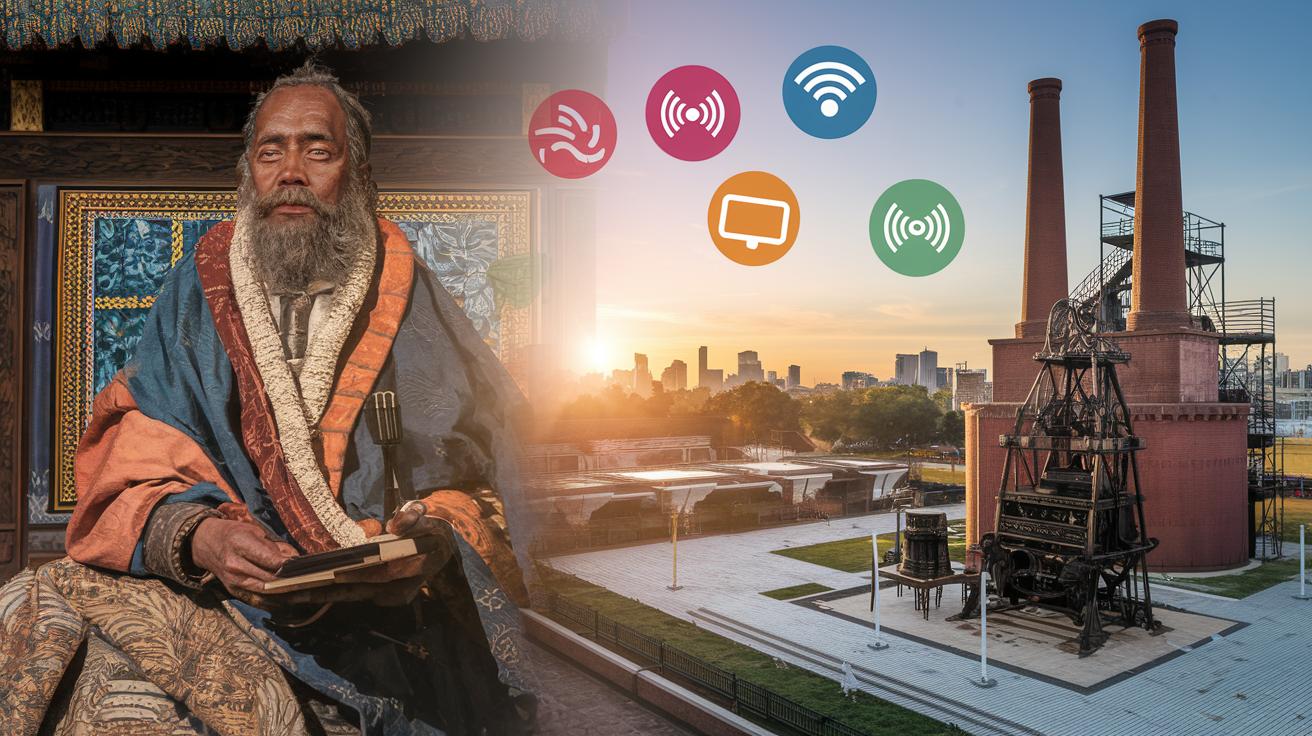
Pop culture has evolved over many centuries. In 1966, the term popped up in British political discussions to describe shared ideas and trends. Before then, ancient cultures relied on storytelling, art made for rituals, and local customs to pass on their traditions.
The Industrial Revolution during the 19th century opened the door to mass production. Printed books, photographs, and early ads made art and ideas available to more people. Later, television and radio helped pop culture reach even larger audiences.
| Era | Key Developments |
|---|---|
| Antiquity | Local storytelling, ritual art, and oral traditions |
| Middle Ages | Religious narratives and local cultural expressions |
| 19th Century Industrial | Mass printing, photography, and early advertising reach broader audiences |
| 20th–21st Century Mass Media | Television, radio, and digital platforms spread trends worldwide |
Today’s pop culture is the sum of these historical shifts. The journey from ancient oral traditions to mass-produced media shows how technology and social change reshape what we enjoy. Each era added a new layer, turning pop culture into a central part of everyday life and explaining how modern trends take off across the globe.
Pop Culture and Media: Channels of Influence
Before the Internet, people turned to pulp magazines, radio shows, and TV programs for their entertainment and news. In the early 1900s, these outlets shared stories, pictures, and music that reached large audiences. Radio dramas and TV series even helped bring families together around common tales. This old-style media set the stage for today's fast-moving pop culture by laying a strong storytelling and visual foundation.
Digital platforms have completely changed how culture spreads and how trends catch fire. Now, content spreads in real time through websites, blogs, and video channels. Up-and-coming artists, filmmakers, and musicians can now share their work with a global crowd almost instantly. This shift opens the door for more voices and breaks down the old barriers of traditional media. The online world encourages quick creative experiments and fresh ideas that keep our cultural scene vibrant.
Social media sits at the heart of today's cultural exchange. Platforms like Twitter, Instagram, and Facebook let users share content, spark conversations, and drive trends across borders. They mix personal stories with mainstream media, creating a loop that shapes the larger cultural narrative. With its speed and wide reach, social media fuels new discussions in entertainment, sports, fashion, and beyond, making it a key player in the world of pop culture.
Examples of Pop Culture Phenomena
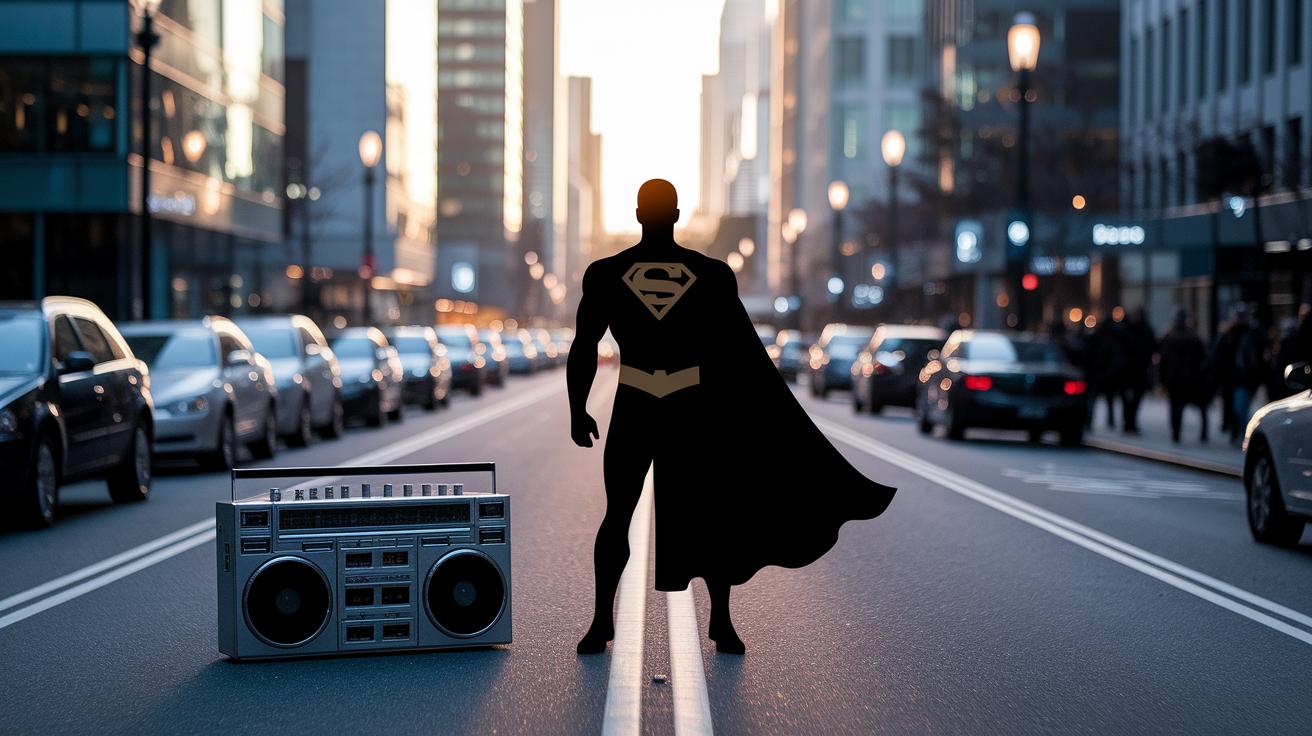
Pop culture sparks life in many areas that capture the interest of millions worldwide. It turns everyday moments and objects into icons seen in blockbuster films, catchy music, standout fashion, online trends, and memorable collectibles.
- films: Superhero adventures and sci-fi epics grab our attention in theaters and shape our ideas about bravery and adventure.
- music: The 1990s hip hop era, featuring groups like NWA and stars like Tupac, along with the pop punk wave of the 2000s, have changed how we enjoy music.
- fashion: Fashion has shifted from the bold flared jeans of the 1970s to the sleek skinny jeans of the 2010s, while costumes and cosplay add a fun twist to style.
- social media trends: Viral challenges after 2010 now bring people together online, turning simple moments into shared experiences.
- collectibles: Items like 1990s Pogs, Furbies, and action figures spark memories and connect us to the past.
Each of these areas highlights a part of pop culture that mixes fun, art, and everyday life. Films open doors to imaginative worlds and hint at current issues. Music and fashion help us show who we are. Social media makes these trends spread quickly, and collectibles keep old memories alive. Together, they show how pop culture grows and connects people across generations.
Cultural Impact of Pop Culture on Society
Pop culture shapes how we live and see one another. It gives us shared symbols and moments that bring people together. For instance, a hit TV show can introduce phrases that spill into everyday conversation, making us feel connected and part of a larger community.
It also influences the way we spend our money. Big media brands, popular movies, and major entertainment events help create jobs and drive sales. For example, a blockbuster movie can boost product sales and inspire new fashion trends that change how people shop.
There is ongoing debate about who gets to be seen in pop culture. While popular trends build a sense of unity, they can sometimes leave out voices that don't fit the usual image. Talks about cultural appropriation and fair representation are growing louder. These conversations urge creators and companies to broaden their view of who deserves a spot in the spotlight, leading to changes in how media is made and sold.
Emerging Trends in Pop Culture

Social media challenges have grown into major trend drivers since the early 2010s. Streaming services and mixed media now give viewers the freedom to choose what to watch and when to watch it. Young people are at the heart of these changes, influencing music, fashion, and online memes. A dance move can quickly become a worldwide sensation, fueling remixes, spin-offs, and even new style trends.
These trends are changing the entertainment world. Digital platforms are blending different cultures, musical styles, and fashion ideas to create a vivid, connected scene. Live shows and on-demand content are merging in new ways to attract a global crowd. With social media and streaming services leading the charge, pop culture will keep reflecting the creativity and energy of the digital generation.
Final Words
In the action, the article traced pop culture from its early roots to modern media trends. It explained what is pop culture by breaking down core concepts, providing clear examples, and exploring its cultural influence. The post covered historical milestones, shifts in media, and emerging trends that continue to shape broader society. The recap leaves us with a clear picture of pop culture's practical impact and a sense of optimism about how these forces can drive positive change.
FAQ
What is pop culture?
The term pop culture refers to ideas, trends, and media embraced by the general public. It includes entertainment, fashion, music, and everyday language that reflect common tastes and social behaviors.
What are some examples of pop culture?
Pop culture examples include blockbuster films, trending music styles, popular fashion trends, viral social media challenges, and collectibles like action figures. These elements show how broad and influential modern cultural trends can be.
What is pop culture music?
Pop culture music encompasses trendy, widely popular music styles that are promoted through mainstream media. These genres often reflect current social trends and connect with audiences on a broad scale.
What is pop culture fashion?
Pop culture fashion highlights current clothing trends influenced by celebrities, films, and digital media. It shapes everyday style, reflects societal values, and drives consumer behavior in the apparel industry.
What are pop culture references?
Pop culture references are nods in media to familiar cultural icons, trends, or events. They rely on shared public knowledge and serve as shorthand for linking current content to past or ongoing cultural phenomena.
Why is pop culture important?
Pop culture is important because it shapes social values, drives consumer trends, and creates common talking points that connect people across different communities. It influences how society perceives art, media, and identity.
When did pop culture start?
Pop culture began taking shape in the mid-20th century when mass media spread ideas quickly. The term itself came into use during the 1960s, building on earlier artistic expressions with broader public appeal.
What is Gen Z pop culture?
Gen Z pop culture represents trends and creative expressions popular among young people today, largely driven by digital media and social networks. It includes memes, new music genres, and innovative ways to communicate and express identity.