


Have you ever wondered why some countries appear more peaceful than others? The Global Peace Index simplifies a complex reality by giving each nation a score based on safety, conflict management, and military presence. This score shows why countries like Iceland often rank as calm and stable. It also proves that effective governance and fair practices can make a big difference. Read on to see how this tool reshapes our view of peace worldwide.
How the Global Peace Index Measures and Ranks Countries
The Global Peace Index ranks every nation by its level of peace using a simple number. A lower score means the country is calmer and more stable. Created in 2007 by the Institute for Economics and Peace, this tool uses 23 indicators to assess safety, conflict management, and military activity.
Key factors include:
- How conflicts are handled
- Public safety and justice
- Military and security presence
In 2024, Iceland topped the list with a score of 1.112. This strong showing reflects low crime, solid education and welfare, fair pay, and few societal tensions. With 16 years in a row as the most peaceful, Iceland stands as a clear example of stability and effective governance.
The Institute for Economics and Peace updates the index each year to reflect new trends and changes around the world. This regular update provides policymakers, researchers, and the public with fresh insights into global peace.
Detailed Look at Global Peace Index Methodology
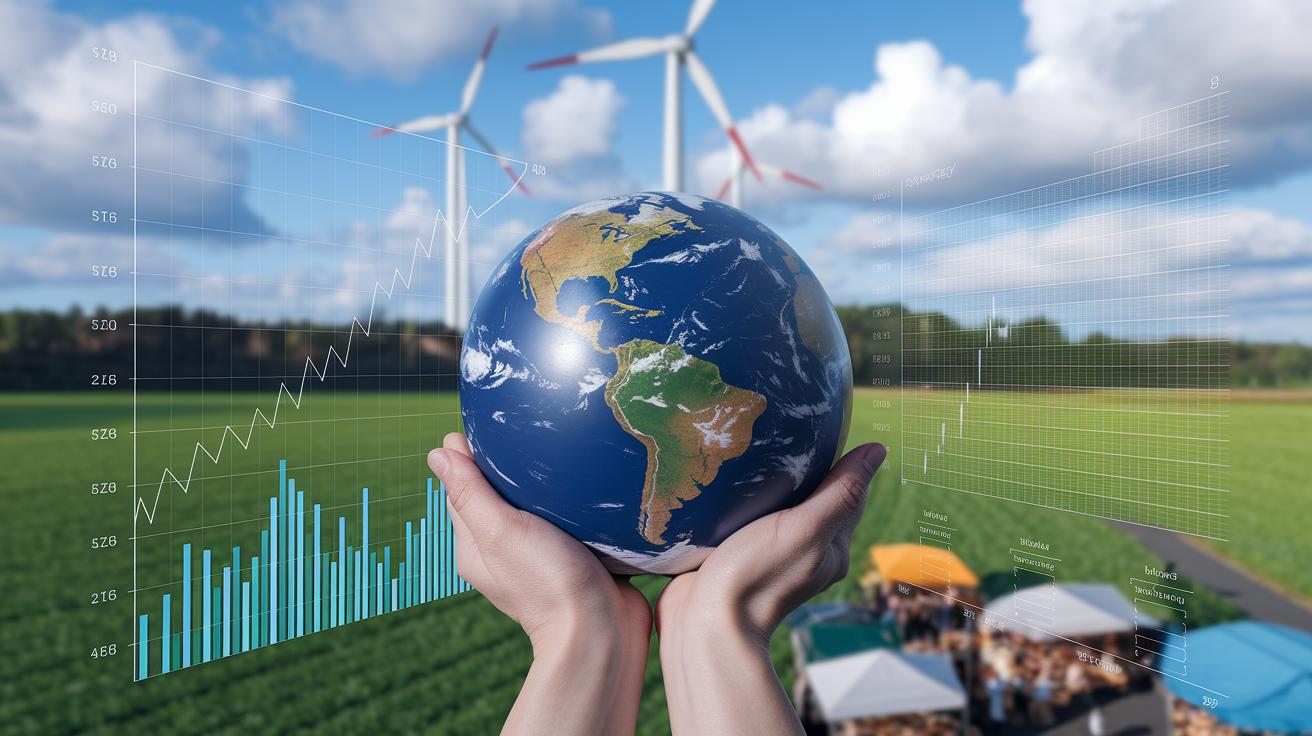
The Global Peace Index uses 23 equally important measures developed by the Institute for Economics and Peace to rate how stable a country is. It mixes environmental and social data to show what keeps societies calm and helps them grow.
Energy and Environment
The index looks at production numbers like peach and cotton output. These figures give a sense of how well a country handles its natural resources and farming. For example, higher peach yields can point to a stable climate and solid local farming practices that support steady conditions.
Money market indicators
It also checks economic factors such as education spending, GDP/GNI, and the cost of living. These numbers show how a country manages its money and resources, helping to highlight everyday challenges that may impact peace.
Other indicators
Additional measures include things like the minimum wage, access to raw materials, and risk premium assessments (indicators of economic risk). These signs help reveal the hidden aspects of public confidence and a nation’s ability to stand strong.
By giving each of the 23 indicators the same weight, the index offers a balanced look at all the elements that help keep a country peaceful.
Global Peace Index Rankings: Top and Bottom Country Analysis
The table below shows the 2024 Global Peace Index rankings. Lower scores mean a country is more peaceful. It lists the top 5 most peaceful countries and the bottom 5 with the most turmoil. These rankings are based on 23 factors that measure conflict, safety, and military use. They let us compare nations quickly, from those with low crime and strong social support to those facing conflict and heavy security challenges.
| Rank | Country | Score |
|---|---|---|
| 1 | Iceland | 1.112 |
| 2 | New Zealand | 1.234 |
| 3 | Portugal | 1.345 |
| 4 | Austria | 1.356 |
| 5 | Denmark | 1.367 |
| 151 | Yemen | 3.900 |
| 152 | Afghanistan | 3.950 |
| 153 | South Sudan | 3.980 |
| 154 | Syria | 4.010 |
| 155 | Somalia | 4.200 |
These different scores show a wide range of conditions that affect peace. Countries at the top, like Iceland, have steady leadership, low crime, and strong welfare. This helps build trust and fairness in society. On the other hand, countries with high scores often face long-lasting conflict, unstable politics, and high military presence. These issues bring immediate safety concerns and make it hard to build strong communities. The ranking helps us understand how things like a sound economy and good conflict management affect peace.
Regional Performance of Peace in the Global Peace Index

The Global Peace Index measures how peaceful regions are around the world. It clearly shows that some regions are much more stable than others.
In Europe, lower levels of conflict, fewer safety concerns, and limited militarization create a calm environment. The Americas and Asia-Pacific regions have moderate peace scores, reflecting a steady balance between safety and conflict control. Meanwhile, the Middle East, North Africa, and Sub-Saharan Africa face tougher conditions with ongoing conflicts and stricter security measures.
| Region | Score |
|---|---|
| Europe | 1.45 |
| Americas | 1.75 |
| Asia-Pacific | 2.10 |
| Middle East & North Africa | 3.20 |
| Sub-Saharan Africa | 3.80 |
These regional score differences come from many factors. Political stability, historical conflicts, economic conditions, and military strength all play a part. For example, strong governments and solid social systems help keep Europe’s score low, while regions with political unrest and fewer resources tend to score higher. This information shows how local conditions shape overall peace and helps guide efforts to tackle regional challenges.
Historical Trends in the Global Peace Index Since 2007
The Global Peace Index started in 2007 to track how stable countries are. It uses 23 indicators to give each nation a score, lower scores show more security while higher ones point to more instability. Over 17 years, scores have mostly stayed between 1.80 and 2.00. This steady range makes it easier to spot shifts in national peace levels and compare trends over time.
There were noticeable spikes in unrest in 2011, 2014, and 2020, indicating brief setbacks. Experts noted that many countries made small gains in resolving conflicts and boosting stability during the early 2010s. While violent conflict has slowly decreased over time, some areas have seen more political unrest and civil disorder. These trends highlight how complex national security is and why ongoing efforts are needed to improve global peace.
Expert Commentary and Future Outlook on the Global Peace Index
Experts note steady progress in global peace for 2025, thanks to the recovery from the pandemic and fresh diplomatic efforts. Analysts say the world average may improve slightly, with special attention given to regions prone to conflict as countries work to ease tensions and reduce military build-up.
2025 Peace Forecasts
Forecasts predict that small gains could boost overall peace levels. Experts expect that nations facing instability will start to see improvements as diplomatic moves and community programs take effect. One expert said, "After decades of turmoil, small policy shifts are starting to tip the balance toward a more secure future," a sign of cautious optimism for high-risk areas.
Policy Implications for Stability
Recent studies recommend that governments ramp up support for conflict prevention and strengthen the rules for managing their military forces. Top suggestions include fostering local conflict resolution, enhancing education to stop problems before they start, and rebalancing funds toward social services. These steps, along with ongoing diplomatic efforts, could make a real difference in cutting violence and boosting public safety.
A review of 23 key measures shows that steady work and focused actions are essential for long-term peace improvements.
Final Words
In the action, the blog post breaks down how the global peace index ranks nations, explains the 23 indicators that shape scores, and highlights both top and bottom performers. It offers a clear look at how environmental, economic, and other measures create a balanced picture of peace worldwide.
The analysis extends to regional performance, historical data since 2007, and expert insights for future peace trends. The global peace index serves as a key tool for understanding worldwide stability and offers a hopeful glimpse toward continuous improvements.
FAQ
What are the Global Peace Index rankings?
The Global Peace Index rankings reflect each country’s safety and stability, using lower numerical scores to indicate greater peace based on assessments of conflict, safety measures, and militarization.
When will Global Peace Index 2026 be released?
Global Peace Index 2026 is expected as part of the annual update process, with new data incorporated to provide fresh insights into worldwide peace trends.
What is the Global Peace Index map?
The Global Peace Index map visually displays countries’ peace scores worldwide, making it easier to compare regions based on safety, conflict, and militarization levels.
How is the USA ranked on the Global Peace Index?
The USA’s ranking shows its performance compared to 155 nations by evaluating conflict levels, societal safety, and military activity, with positions changing annually based on updated data.
How is the Global Peace Index calculated?
The Global Peace Index is calculated by averaging 23 equal-weighted indicators that cover aspects of conflict, safety, and militarization to assign countries a numerical peace score.
What does the Global Peace Index dataset include?
The dataset comprises detailed scores, trends, and underlying metrics from 23 indicators that help measure each nation’s peacefulness and provide a basis for comparative analysis.
Who produces the Vision of Humanity Global Peace Index?
The Vision of Humanity Global Peace Index is produced by the Institute for Economics and Peace, which uses a consistent, multi-indicator methodology for its annual analysis.
How does the Global Peace Index assess Africa?
The Global Peace Index assesses Africa by applying the same 23 indicators used worldwide, highlighting regional challenges such as conflicts and security issues that affect overall peace scores.
Which country is no. 1 in world peace according to the index?
Iceland holds the top spot for world peace, thanks to low crime rates, efficient social systems, and minimal internal tensions, as confirmed by its leading Global Peace Index score.
Is the Global Peace Index legit?
The Global Peace Index is widely regarded as a credible assessment, developed through transparent methodologies by experts in international peace and security research.
What are the 10 safest countries in the world?
The top 10 safest countries, as determined by the Global Peace Index, include nations like Iceland and New Zealand, which consistently score low on conflict and high on societal safety indicators.