
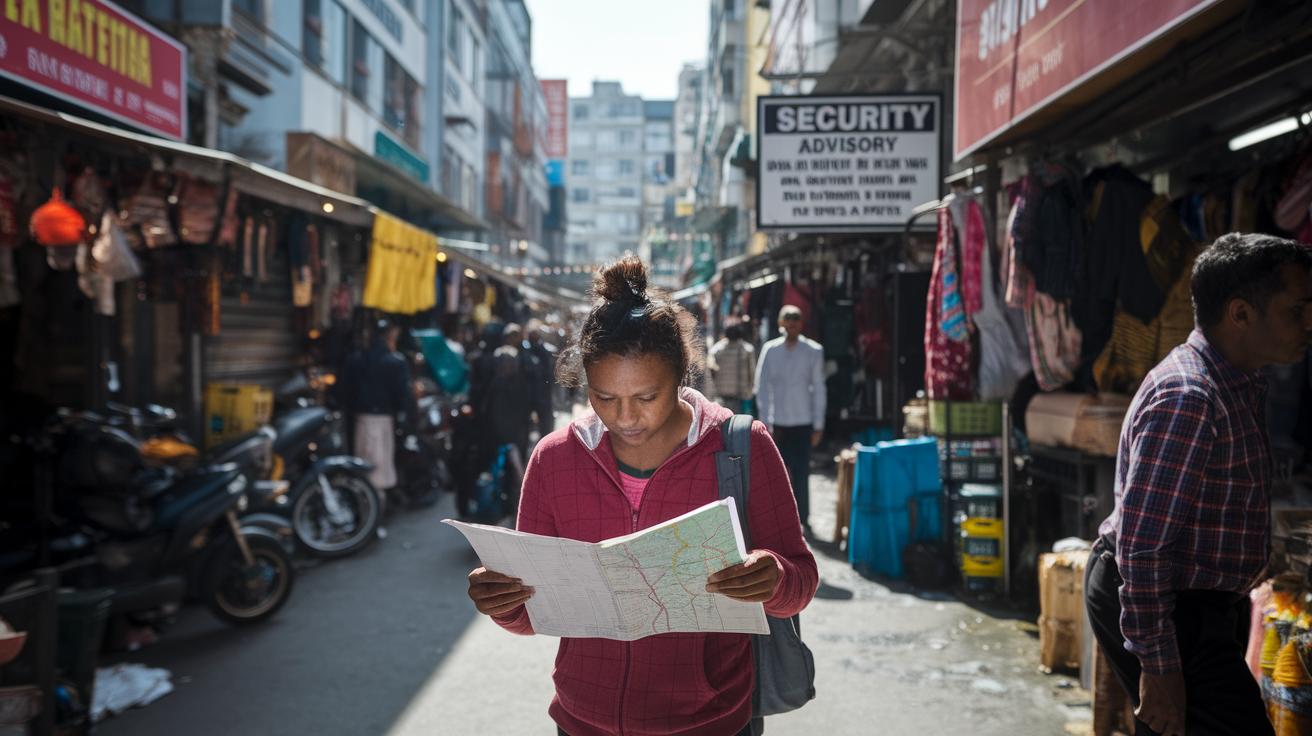

Wondering what makes a trip in India safe versus risky? The U.S. State Department advises extra caution due to regional unrest and sudden weather changes. This guide shares clear safety tips, like keeping an eye on local news and ensuring your travel documents are in order. It also explains visa choices for U.S. citizens. Follow these steps to plan a trip that helps you travel confidently and securely.
Current Travel Advisory Level and Restrictions for India
The U.S. State Department has set India’s travel risk at Level 2. This guidance was released on March 15, 2026, at 4:30 IST, urging travelers to take extra care when planning their trips. While most areas are safe, some regions face specific issues that need closer attention. Because conditions can change quickly, it’s wise to check official government alerts right before you leave.
The advisory points to a few key concerns. These include civil unrest in certain regions, spikes in seasonal illnesses and water-borne diseases, and ongoing border tensions that might disrupt travel routes. Visitors are also reminded of natural hazards like floods and unpredictable weather, which could alter travel plans. To stay safe, review your travel documents and have backup plans ready.
Key advisory points for travelers include:
- Review personal security plans and update emergency contacts.
- Register with STEP to receive alerts from the U.S. Embassy.
- Carry both digital and paper copies of essential ID documents.
- Monitor local government instructions and news updates regularly.
- Prepare for flexible travel arrangements in case conditions change.
Visa Requirements and Entry Protocols for US Citizens Traveling to India
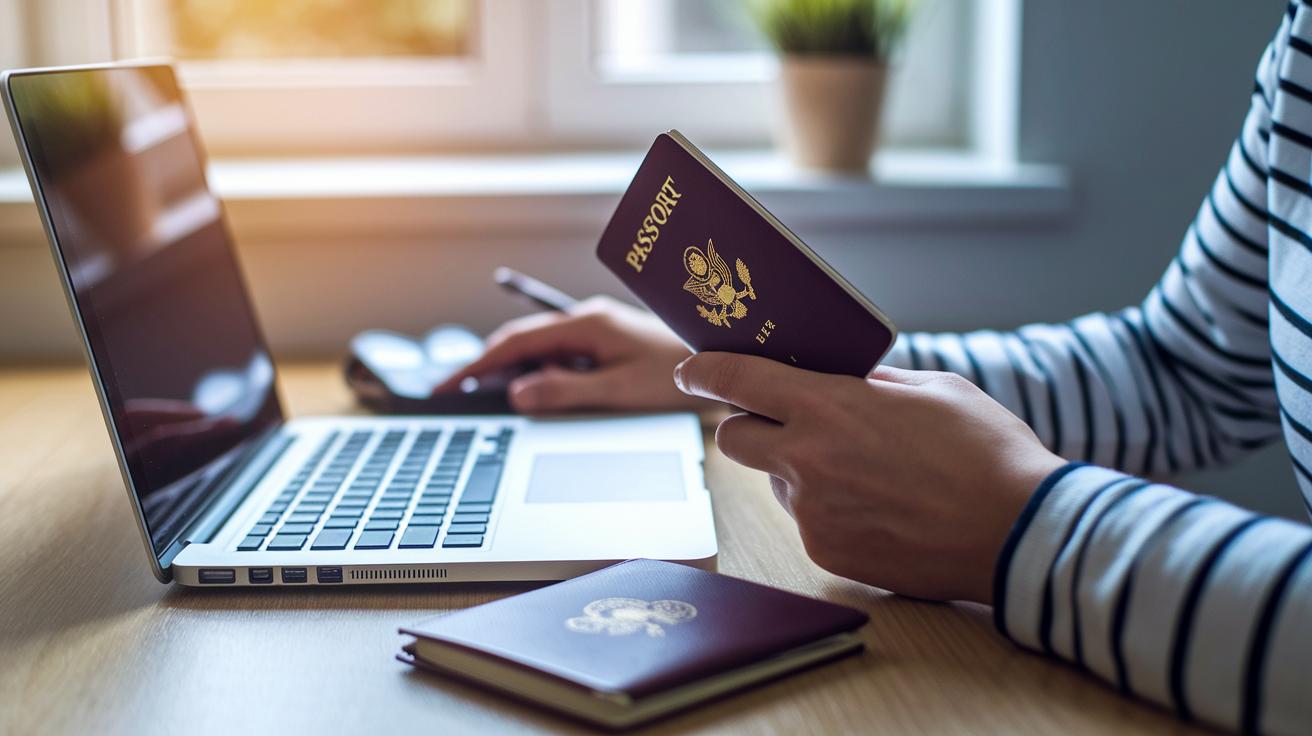
US citizens have a few visa choices when visiting India. You can apply for an e-Tourist visa for leisure trips, an e-Business visa for work matters, or an e-Medical visa for health-related visits. These e-visas let you handle your application online, so you can get everything set before you leave.
To apply, follow these steps:
- Create an account on the official visa website.
- Upload your passport’s bio page.
- Upload a clear digital photo.
- Pay the visa fee online.
- Check your email for the Electronic Travel Authorization (ETA).
- Print the ETA and bring it with you to show at the entry point.
Make sure your passport is valid for at least six months beyond your arrival date. Also, be ready for fingerprinting upon arrival in India. Following these instructions carefully will help smooth out your entry process and avoid delays at the border.
Health and Hygiene Protocols in India Travel Advisories
Travelers heading to India should prepare for some common health issues. Contaminated water can cause stomach infections, and the warm, rainy season creates perfect conditions for mosquitoes that carry dengue. Because of these risks and other infections, it’s smart to get medical advice and the right vaccinations before you depart.
Here are some important steps to consider:
• Typhoid vaccine
• Hepatitis A vaccine
• Hepatitis B vaccine
• Tetanus vaccine
• Japanese encephalitis vaccine
• Rabies vaccine
• Covid-19 negative test (make sure you have a recent negative result)
• Covid-19 mask guidelines (wear masks in crowded or indoor spaces)
• Covid-19 isolation rules (follow local advice if you show symptoms)
Investing in travel insurance that covers medical evacuation is also a wise choice. This kind of coverage can help with unexpected expenses and provide quick medical care in an emergency. It’s a good idea to find English-speaking clinics before you travel so you can get clear, effective advice if you need it. Preparing with the right vaccines, Covid-19 measures, and solid insurance can make your journey through India much smoother and safer.
Regional Risk Assessment: Safety Ratings Across Indian States
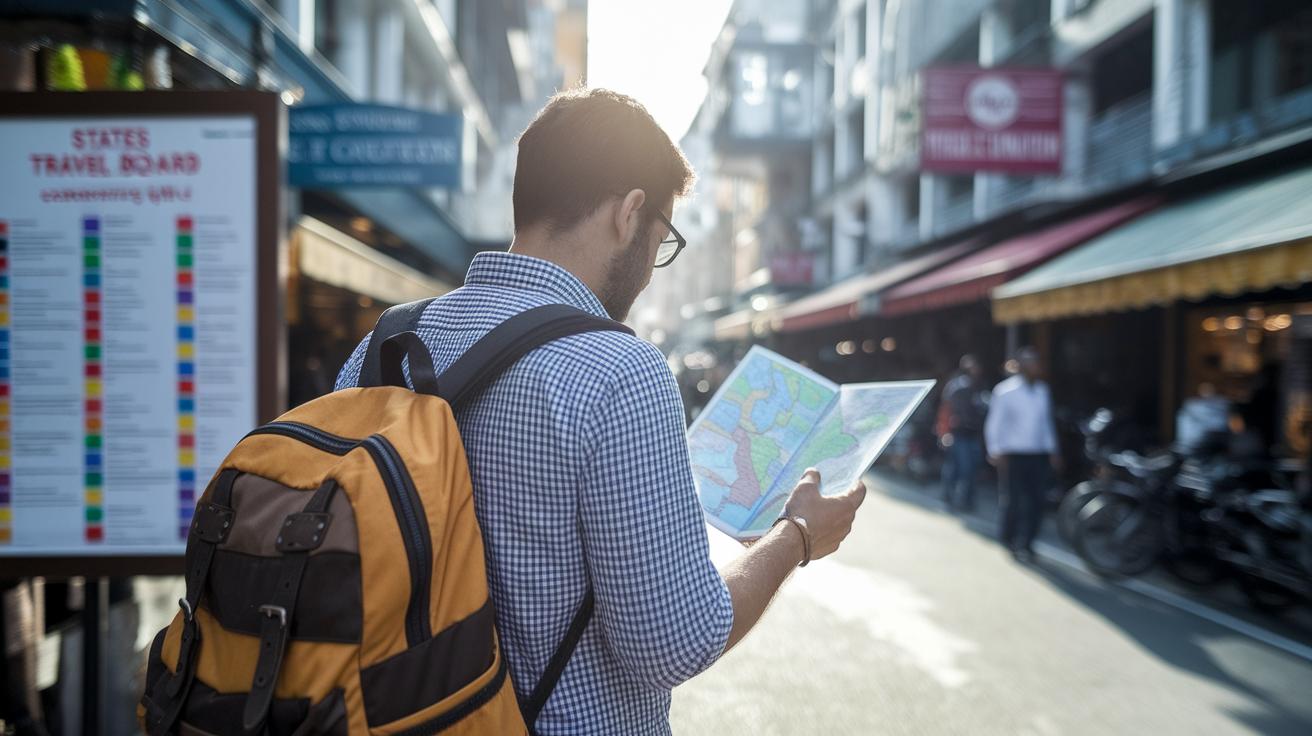
Travel guidelines vary across India, giving you a quick look at each state's risks so you can plan a safer trip. These ratings cover issues like border tensions, weather hazards, and urban problems such as poor air quality and petty theft. Knowing what to expect helps you adjust your plans, choose better routes, and pick the right time to travel.
| State/Union Territory | Advisory Level | Main Safety Concerns | Notes |
|---|---|---|---|
| Jammu & Kashmir | Level 3 | Border tensions, protests | Avoid border roads |
| Kerala | Level 2 | Monsoon flooding | Travel insurance advised |
| Delhi | Level 2 | Air quality, petty crime | Use vetted taxis |
| Goa | Level 1 | Seasonal flooding | Check tide schedules |
| Northeast States | Level 3 | Occasional unrest | Register with embassy |
Use this table as a handy tool when planning your visit. Check each state’s advisory level and primary concerns to decide which areas fit your safety needs and travel goals. For instance, if you're heading to a Level 3 region, consider securing safe accommodations, limiting travel during peak hours, and staying updated with local news. Regions rated Level 1 or 2 usually need standard safety measures. With these insights, you can plan your routes, choose transport, and set up emergency contacts to help ensure a smooth, safe journey across India.
Security Considerations and Crime Analysis in Travel Advisories for India
Cities in India can pose risks for tourists due to street crimes like pickpocketing and ATM fraud. Travelers often face minor thefts in busy markets and on buses or trains when belongings are left out in the open. It helps to carry only some cash, use secure bags, and stay alert in crowded places.
There is also a chance of protests and local tensions that can quickly disrupt safety. These events may surprise visitors, as public demonstrations and disagreements sometimes turn unpredictable. Keeping a sharp eye on your surroundings and being ready to change plans can lower your risk during these times.
- Use hotel safes for storing valuables
- Avoid unlit streets when traveling at night
- Confirm taxi licenses before boarding
- Stay clear of large gatherings and protests
Travel advisories for india: Secure Trips Ahead
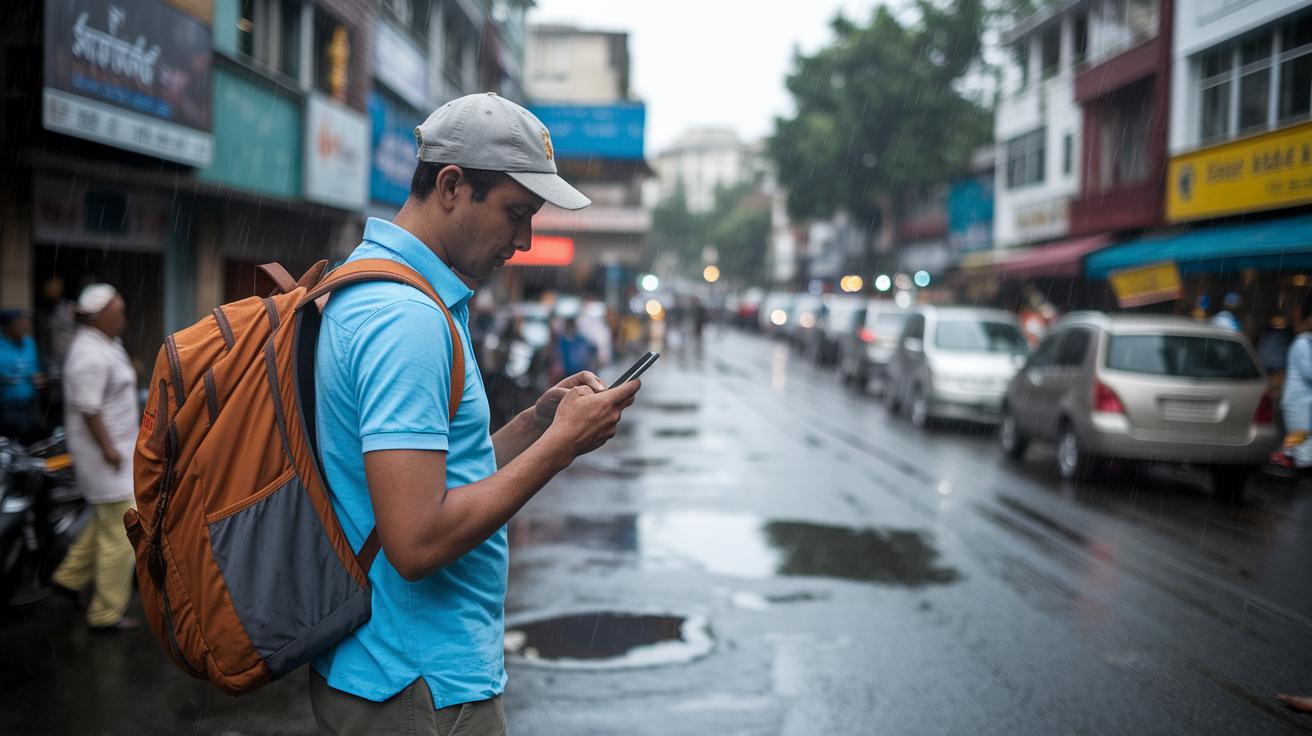
Traveling in India calls for extra care. Road surfaces can be rough with potholes, and train rides might face delays due to busy schedules and technical issues. It pays off to add extra time between connections and set realistic travel plans.
Monsoon season and changing weather add further challenges. Heavy rains can make roads slippery and even flood small areas, affecting both bus and train services. Weather alerts from the NMHS (National Monsoon and Hydro-Meteorological Services) give you the timely updates you need to adjust your plans. Keeping an eye on these warnings is key to avoiding surprise hold-ups and staying safe.
- Check NMHS weather alerts before you leave.
- Book official transport services in advance if you can.
- Skip driving at night, especially in heavy rain or low visibility.
- Confirm train schedules ahead of time to steer clear of delays.
- Bring rain gear and waterproof covers for your stuff.
Emergency Contacts and Traveler Resources in India
Planning a safe trip means having key phone numbers ready. Save these contact details in your phone's favorites so you can get help fast if something unexpected happens.
For support as an American in India, contact the U.S. Embassy in New Delhi at +91-11-2419-8000. Their office is on Shantipath in Chanakyapuri, New Delhi.
For local emergencies, use these numbers:
- National Police: 100
- Ambulance Services: 102
- Disaster Helpline: 112
You should also note the local helpline for Red Cross India and the 24-hour hotline provided by your major travel insurer (check your policy for the exact number).
Keep these contacts handy on your mobile device so that help is always at your fingertips.
Pre-Departure Checklist and Preparation for India Travel
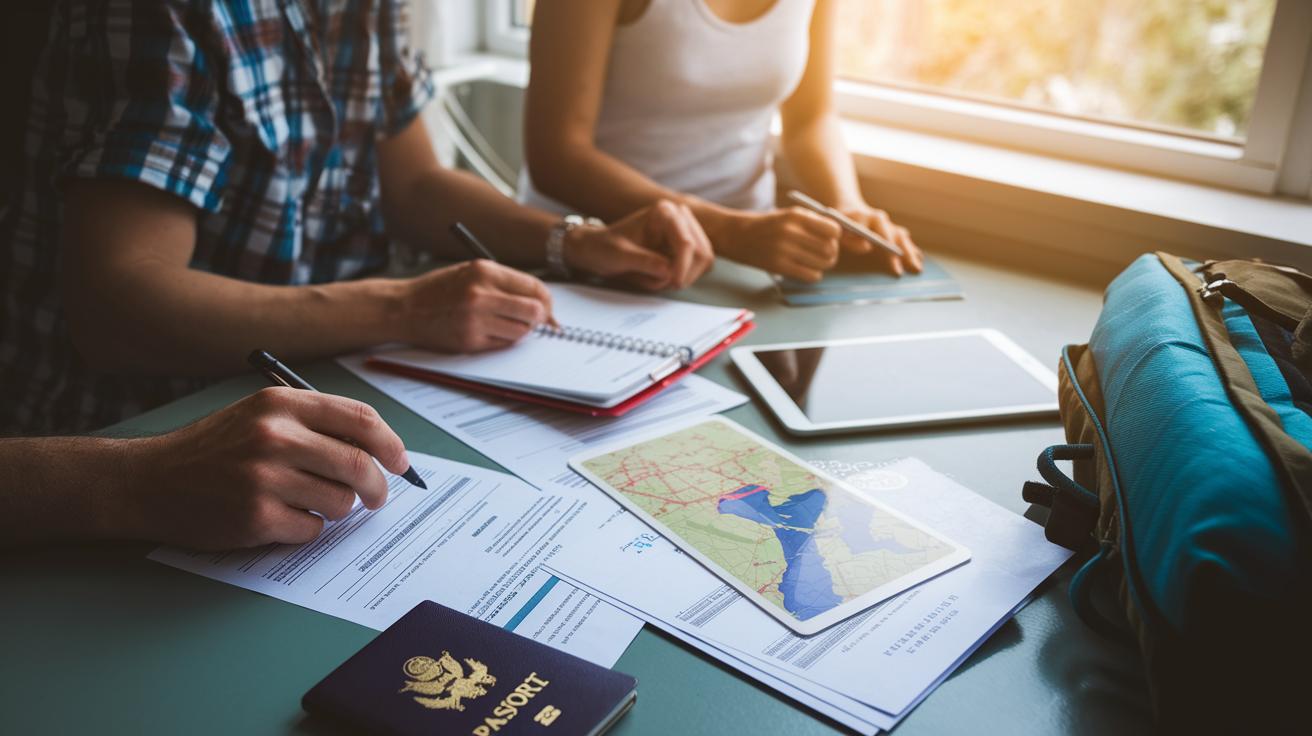
Before you head to India, make sure you finish a few key tasks. Check your travel documents like your passport and visa so you aren’t delayed at the airport. Get the right travel insurance and gather all the important details about your destination. This preparation builds confidence, reduces stress, and helps you handle surprises along the way.
Here’s a quick list of items to review before you go:
- Passport and visa copies
- Printed ETA
- Vaccination certificates
- Valid insurance policy
- Emergency contact list
- Local currency
- Universal power adapter
Also, download offline maps and confirm your cell-plan roaming is active. This extra step keeps you connected and ready for any unexpected events during your trip.
Final Words
In the action, we reviewed travel advisory updates, visa guidelines, recommended health protocols, regional safety ratings, security tips, and transit information. We also highlighted key emergency contacts and a detailed pre-departure checklist to help navigate the journey effectively.
This guide covers all essential points to keep your trip smooth and informed. Stay alert, plan well, and follow accurate travel advisories for india to travel with confidence and ease.
FAQ
What are the latest international travel guidelines for India, including updates for 2025?
The latest travel guidelines for India and 2025 detail updated protocols from the U.S. State Department, including visa, safety, and entry requirements that travelers should review before making plans.
How safe is travel to India right now?
The safety of travel to India varies by region, with advisories highlighting areas under differing risk levels due to factors like civil unrest and health concerns that require careful review.
What is the current status of India travel bans or restrictions for the USA and UK?
Current advisories from the USA and UK do not impose a full travel ban on India but urge travelers to stay aware of specific regional alerts and entry requirements before departure.
Did the US issue a travel warning to India?
U.S. authorities have updated travel recommendations without issuing a complete ban, emphasizing caution in regions with ongoing challenges such as security and health risks.
Can US citizens travel to India now?
Yes, US citizens can travel to India now, provided they follow the latest visa procedures and health and safety protocols established by both U.S. and Indian officials.