

Ever wonder if you're really calling the shots in your life? Many feel that following the usual norms doesn't match what they truly believe. Choosing an alternative lifestyle means picking a path that fits who you are, from creative living spaces to nontraditional relationship ideas. It helps you live in tune with your own needs and values while challenging what society calls success. This way, you can rethink your plans and go for choices that bring real fulfillment.
Alternative lifestyle meaning: A Bold, Clear View
Alternative lifestyle meaning describes a way of living that breaks away from the usual customs. It covers many choices in housing, work, relationships, and personal beliefs that differ from what is commonly expected. People who choose this path do so to match their lives with their own values and needs.
For example, some might opt for unique homes like tiny houses or choose communities that are off the grid. Others might set up relationships based on full consent and mutual respect rather than traditional expectations. These choices show a clear break from the common paths that society often sets for things like family life and career growth. They also push back against the idea that buying more always equals success.
Every part of life can be reconsidered, from how we build our communities and approach spirituality to our personal style and health routines. Instead of following a one-size-fits-all plan, alternative lifestyles let people decide what brings them fulfillment. This might mean mixing modern careers with old-world wisdom or finding new ways to enjoy nature. In essence, an alternative lifestyle is about actively choosing a life that feels true to who you are and what you value, while questioning the usual ideas about success and happiness.
Historical Evolution of Alternative Lifestyles
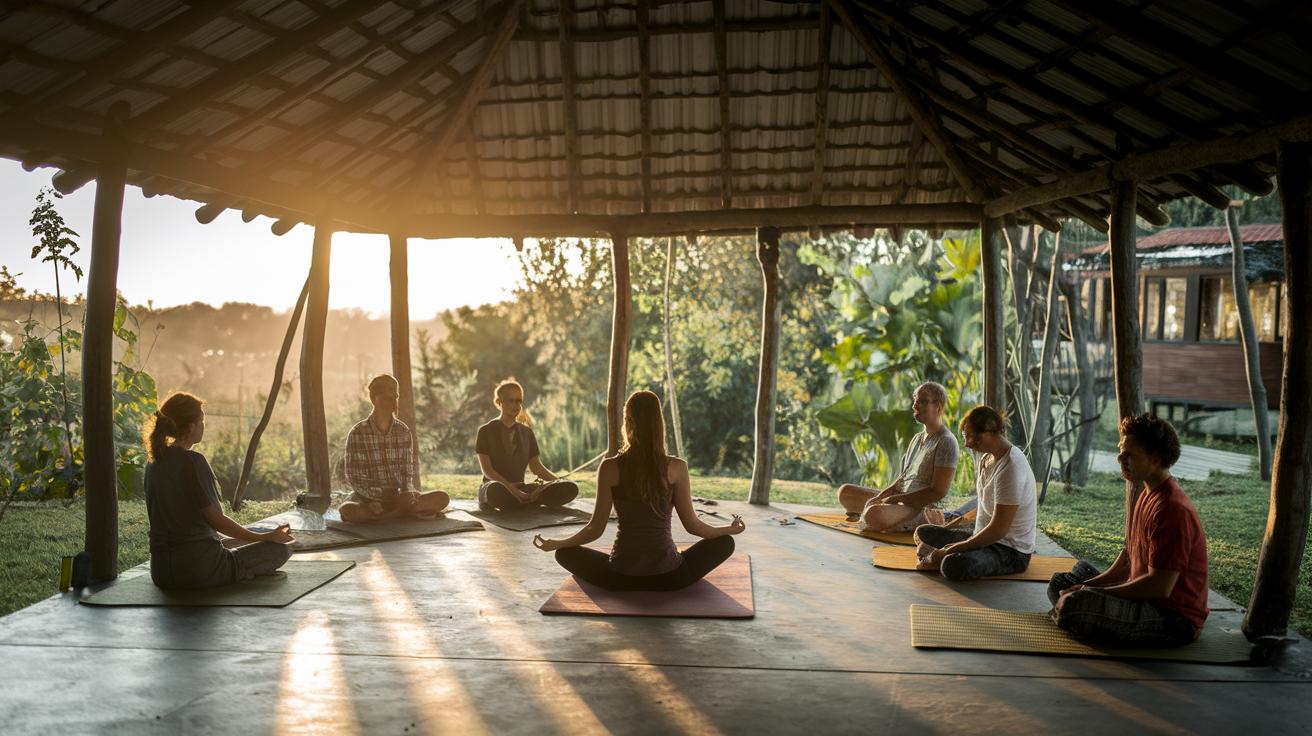
Historical records show that alternative lifestyles began when people started questioning common ways of living. In the mid-1900s, early communal groups and shared living experiments emerged as people sought simpler lives with fewer material demands. They wanted to feel closer to nature and grow personally while caring for the environment, moving away from lifestyles focused on mass production over real connection.
Many pioneers of these movements tried minimalist living and off-grid lifestyles. They turned to practices like meditation, mindfulness, and complementary medicine (methods used alongside standard healthcare) to help manage stress and improve well-being. During the 1960s and 1970s, cultural initiatives based on communal love and shared resources further spread these ideas, showing that a life lived with clear intention could change how people connect with each other.
Today, this evolution stands as proof that shifts in societal values shape how we choose to live. Past experiences inspire modern approaches that blend practical living with holistic care, paving the way for lifestyles that remain meaningful in today’s world.
Modern Examples of Alternative Lifestyle Practices
More people are now choosing lifestyles that step away from old traditions. They are reimagining relationships, homes, and routines to match what matters most to them. Many are building partnerships based on clear consent and trust. For instance, models like polyamory (having more than one romantic partner with everyone’s agreement) and relationship anarchy (making your own unique rules for a relationship) are gaining ground as alternatives to traditional marriage. These setups rely on ongoing dialogue and regular reviews of personal limits.
At the same time, new ways of living are attracting attention as real alternatives to owning a conventional home. Many are turning to options such as tiny-home minimalism, van life, or co-housing (sharing a home in a community setting) to support sustainable lifestyles and cut back on material possessions. Meanwhile, a focus on mind and body care is adding another layer to these changes. Practices like Reiki healing (a hands-on energy technique), holistic massage, and women’s healing circles help many find balance in body and spirit. Simple mindfulness routines also help people stay centered and connected with themselves.
Here are five practical examples:
- Non-traditional relationship models: Some choose polyamory or relationship anarchy so that everyone is on the same page. These relationships are built on honesty, clear consent, and the freedom to set personal boundaries.
- Tiny-home minimalism and van life: Downsized, mobile living can cut costs and lessen your environmental impact.
- Intentional co-housing and off-grid communities: Living with like-minded people can boost community support and encourage a simpler, more sustainable lifestyle.
- Holistic wellness routines: Combining practices like Reiki healing and holistic massage with daily mindfulness can improve overall well-being.
- Modern commitment alternatives: Some prefer to create their own unique relationship agreements instead of following traditional marriage models.
Dispelling Myths: Common Misconceptions About Alternative Lifestyles
Critics say that alternative lifestyles lead to instability and encourage selfish behavior. They miss that most of these lifestyles follow clear guidelines and are built on mutual agreement. Some assume that nonmonogamous relationships mean less commitment or reckless actions. In fact, when everyone sets and respects clear boundaries, nonmonogamy is well-organized and respectful.
Many people mix up polyamory and polygamy, but they are very different. Polyamory means having several relationships with everyone’s full consent, backed by open communication and mutual respect. Polygamy, however, sticks to one set of rules often tied to cultural or religious traditions. This shows that alternative relationship models aren’t about avoiding commitment. Instead, they create a system where each person’s needs are recognized and valued.
Some worry that trying different lifestyles can be risky if everyone isn’t on board. The key to success in these relationships is honest talk and clearly agreed-upon rules. These approaches aren’t about ditching commitment; they simply aim to reshape it to fit personal values and the needs of modern relationships.
Societal Impact of Adopting an Alternative Lifestyle
Choosing a non-traditional way of living can change society in surprising ways. People who live off-grid or embrace minimalism often use less energy and produce less waste. For example, tiny home residents say their routines become simpler, letting them enjoy nature more. This lifestyle not only helps the environment but also sparks local projects that promote sustainability.
Non-traditional relationships are built on clear consent and honest talks. Couples and groups often use online communities to swap tips and share advice. These digital spaces help everyone set clear limits so that decisions are made together. Many say that clear consent builds trust and strengthens their bonds, leading to safer, more fulfilling relationships.
Moving away from standard consumer habits and typical family models makes us rethink old cultural ideas. As more people question what is expected, they form networks that redefine partnerships, family, and support. Community events and local support groups show that shared values create strong bonds. The focus shifts to quality time and personal fulfillment over material gain. These changes influence city planning, workplace policies, and even family traditions, slowly shaping a society where alternative living is seen as a rewarding choice for both personal growth and the environment.
How to Begin Your Journey: Practical Steps to Embrace an Alternative Lifestyle
Changing your life can start with small steps that align your day-to-day living with what matters most to you. If you are open to new ways of living, try these ten simple tips to adjust your personal, social, and work life.
-
Join groups that share your interests.
Connect with local clubs or online communities. -
Think about your spiritual or religious practices.
See which rituals resonate with you. -
Look at common views on sexuality with a fresh eye.
Question old ideas and think for yourself. -
Pay attention to how your body feels.
Notice how different foods and activities change your energy. -
Create a look that shows who you are.
Use style or art to express your unique personality. -
Set clear and kind boundaries with family.
Be open about your needs and limits. -
Educate yourself on politics the way you think best.
Follow the news and form your own opinions. -
Choose experiences over stuff.
Focus on moments that add meaning to your life. -
Pin down what gives your life purpose.
Reflect on what motivates you every day. -
Explore creative paths in work instead of following a traditional route.
Look into business ideas that give you more freedom.
These ten tips can help you make choices that feel true to you. They are loose guidelines meant to inspire small changes that could lead to big benefits in how you live, love, and interact with the people around you. Start with one or two ideas and see where they take you on your journey.
Final Words
In the action, we explored the alternative lifestyle meaning by defining its core aspects and tracing its evolution over time. We looked at modern examples of nontraditional relationships, living choices, and wellness routines. Myths were busted with clear facts, and practical tips were given for those ready to try out these unconventional approaches.
This guide sheds light on diverse choices that challenge mainstream norms. The outlook remains positive as more people embrace and shape these fresh ways of living.
FAQ
What does “alternative lifestyle” mean according to Urban Dictionary?
The Urban Dictionary definition of alternative lifestyle refers to living that departs from the mainstream. It covers choices in work, housing, and personal values that differ from traditional societal norms.
What are some examples of alternative lifestyles?
Alternative lifestyle examples include nontraditional housing like tiny homes, nonmonogamous relationships such as polyamory, and wellness practices like mindfulness. These examples show varied ways people choose to live outside conventional expectations.
What does alternative lifestyle mean from a psychology perspective?
Alternative lifestyle meaning in psychology points to choices that reflect individual personal values and identities. It highlights self-expression and nonconformity as ways to achieve personal contentment and growth.
How do alternative lifestyle relationships work?
Alternative lifestyle relationships involve nontraditional agreements like consensual nonmonogamy or relationship anarchy. They rely on clear communication and full consent to build partnerships that defy conventional norms.
What is meant by a chaotic lifestyle?
Chaotic lifestyle meaning refers to lives that are unpredictable and disordered. It describes a way of living where routines are minimal and changes happen frequently, often challenging societal expectations of order.
What is a synonym for alternative lifestyle?
Alternative lifestyle synonym terms include unconventional living, as these point to ways of life that break away from mainstream practices in areas such as relationships, housing, and work.
What are alternative lifestyle groups?
Alternative lifestyle groups are communities of people who embrace nontraditional living choices. They share common interests in diverse relationship models, living setups, and wellness practices that differ from mainstream standards.
How does alternative lifestyle dating differ from traditional dating?
Alternative lifestyle dating involves meeting partners within nontraditional groups where expectations and relationship rules diverge from conventional dating. It focuses on open communication and embracing unique partnership models.
What does it mean when someone says they live an alternative lifestyle?
Saying they live an alternative lifestyle means that the person chooses to follow a life path that deviates from societal norms. Their choices in relationships, housing, and work reflect personal values and unique preferences.
What are the types of alternative lifestyles?
The types of alternative lifestyles can range from unconventional housing and nontraditional relationship models to unique wellness practices and creative entrepreneurial approaches, all driven by personal beliefs and individual choices.
What constitutes an alternative lifestyle in a relationship?
An alternative lifestyle in a relationship describes nontraditional partnerships such as polyamory or relationship anarchy. These arrangements emphasize clear communication, consent from all parties, and a rejection of standard relationship norms.
How can I embrace an alternative lifestyle?
To live an alternative lifestyle, start by connecting with like-minded communities and questioning traditional norms. Experiment with new ideas in relationships, housing, and personal expression to find what truly fits your values.