


Machines are taking over everyday tasks in many sectors. Modern control systems and smart sensors are changing factories, farms, and clinics. Automation cuts routine work and makes operations safer and more efficient. Robotics and digital controls help speed up production while reducing mistakes. Companies pushing for higher output are driving innovations that improve manufacturing and maintenance. This shift promises a future where work runs smoother than ever.
Automation Industry Overview: Scope, Trends, and Market Drivers
Industrial automation uses control systems, machines, actuators, sensors, and processors, to handle production and service tasks. Manufacturing remains the top user, while logistics, healthcare, and agriculture are rapidly adopting these systems. Early automated setups began in small labs, where a few sensors and circuits set the stage for today’s vast operations.
This shift means factories can cut down on routine work and boost safety. With Industry 4.0, different devices now connect to monitor tasks continuously and respond in real time.
Global forecasts point to a market growing about 15% each year. This growth is powered by new technology and efforts from leaders like Siemens, ABB, and Rockwell. Advances in digital control, sensor use, and network systems are key. Seamless control system integration helps production lines run more efficiently and maintain quality. As more companies invest in these systems, productivity rises and safety improves. Overall, Industry 4.0 is changing production landscapes worldwide, promising greater scale and performance.
Automation industry Thrives with Dynamic Innovation
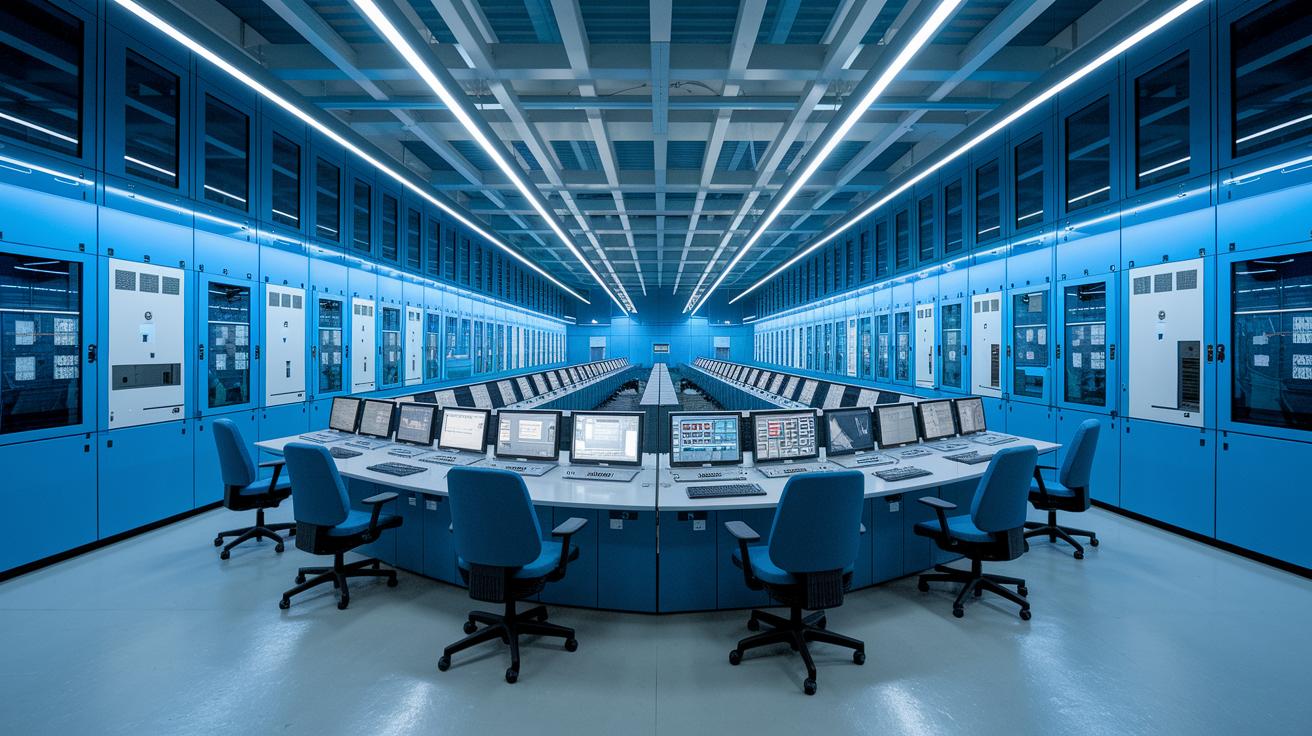
Automation is changing quickly as smart manufacturing reshapes every step of production. Control systems engineering uses tools such as PLCs, DCS, and SCADA (systems that collect, monitor, and control production processes) to keep everything running smoothly. Industrial sensors continuously send real-time data from devices that measure temperature, pressure, and visuals, ensuring both quality and safety on the shop floor.
Advanced process control uses model-based algorithms to keep operations stable, while robotics, from articulated to Cartesian, take care of material handling and inspections. Predictive maintenance uses sensor data to spot equipment issues before they get serious, cutting downtime by up to 20%. For example, one plant's sensor system caught a small fluctuation that helped avoid a major production stop by alerting staff before a critical failure could occur.
| Technology | Function | Benefit |
|---|---|---|
| Control Systems | Automate workflows using PLCs, DCS, and SCADA | Keep operations smooth and consistent |
| Sensors | Monitor temperature, pressure, and visuals | Provide real-time data for quality and safety |
| Advanced Process Control | Use model-based algorithms to stabilize processes | Optimize and keep operations on track |
| Robotics | Handle assembly, material handling, and inspection | Improve throughput and reduce errors |
| Predictive Maintenance | Use sensor analytics to forecast failures | Cut downtime by up to 20% |
These technologies work together to create a well-connected, high-performance production system. By combining control systems with sensor technology, manufacturers can continuously monitor and fine-tune their processes. Advanced process control quickly corrects any deviations, and robotics paired with predictive maintenance helps firms fix issues before they grow. Together, these innovations boost efficiency, improve quality, and strengthen safety throughout operations.
System Integration and Digital Factory Innovations in the Automation Industry
Factories now use integrated automation systems that connect machines with strong IIoT networks (the Industry Internet of Things, which lets devices communicate) to manage production with a single control system. Many modern facilities use custom integration services to match their unique layouts, cutting the time needed to commission new systems.
Digital factory setups use sensor networks and edge computing to deliver real-time production insights. These tools not only keep processes in sync but also support production networks that can quickly adjust to new manufacturing needs. With these networks, operators gain clear visibility at every step of production, helping them make fast and informed decisions.
Digital factory innovations push these benefits even further. They use digital twins (virtual models of physical operations), cloud-based controls, and AR/VR tools for planning and training. Digital twins let companies simulate their operations and plan proactive maintenance. In one case, integrated system diagnostics reduced repair times by about 30%, leading to fewer surprises and smoother production lines.
Together, these digital solutions boost operational efficiency and improve product quality, helping manufacturers adapt quickly in a fast-changing market.
Robotics and Process Improvement in the Automation Industry
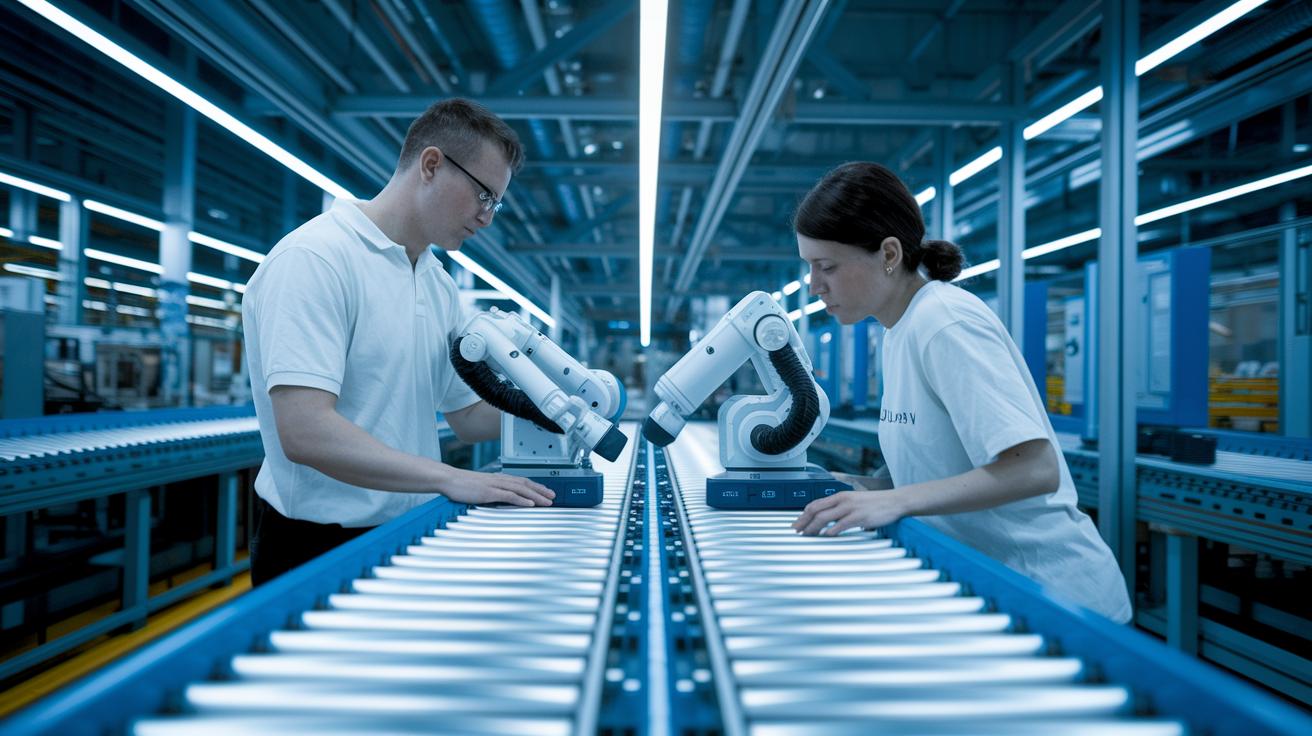
Robotics in automation come in two main types: fixed systems that repeat the same tasks and collaborative robots (cobots) designed to work safely with people. Global robot installations are growing by 12% each year, showing that more manufacturers are using these systems. Companies mix traditional and modern robotics to boost factory efficiency and quality. This trend moves production toward more flexible and adaptive setups, following industry 4.0 trends and advanced robotics platforms that handle everything from heavy-duty assembly to careful inspections.
- Collaborative assembly
- Machine tending
- Quality inspection
- Automated material handling
- Packaging optimization
AI-powered platforms are transforming how robots work. They use adaptive picking, vision-guided instructions, and strong error correction to adjust to material variations and real-time changes on the line. This integration keeps processes steady and increases output. With less manual work needed and improved consistency, these robotics systems not only support worker safety but also deliver significant gains in efficiency, making them essential for companies aiming to meet changing market demands while maintaining top quality.
Predictive Maintenance and Real-Time Monitoring in the Automation Industry
Advanced sensor tools gather data from vibration, temperature, and current sensors. This data goes into machine learning models (computer programs that learn to spot changes) built to catch unusual behavior. In one example, sensors detected a small rotor imbalance. A tiny change in vibration alerted technicians to act before the issue grew, cutting unplanned downtime by 20% and paying for the setup in six months.
Modern dashboards mix live sensor data with sharp anomaly detection tools. Managers get clear alerts so they can change workflows immediately if something looks off. For instance, sensors picked up a slight cooling issue on a packaging line. Supervisors recalibrated the equipment right away, stopping a potential failure. This system lowers risks and helps teams make faster, informed decisions about equipment health.
Industrial IoT and Sensor Networks in the Automation Industry
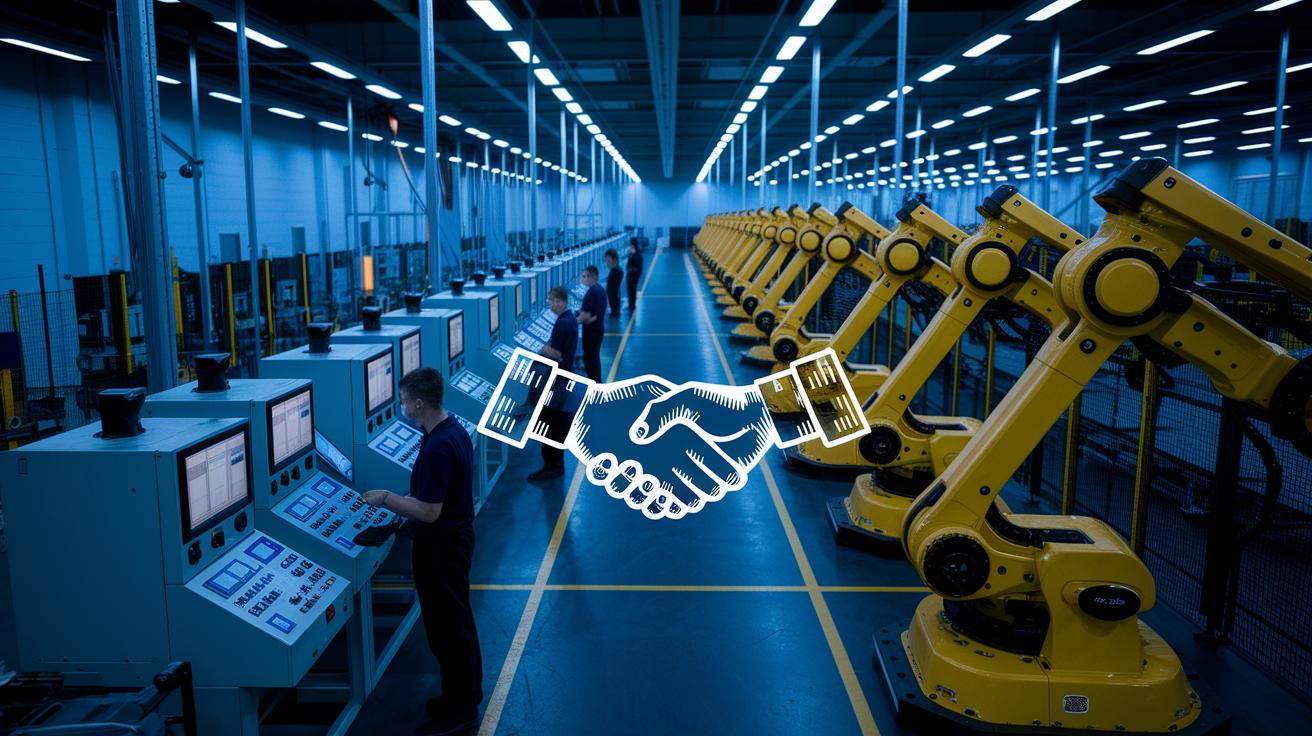
More manufacturers are turning to Industrial Internet of Things (IIoT) technology to create smarter production systems that do more than just basic sensor monitoring. They now use advanced protocols like MQTT and OPC UA. MQTT acts like a fast courier that delivers small packets of data reliably. Meanwhile, OPC UA provides a secure way for different machines to share detailed production information.
These protocols form the backbone of cyber-physical systems that merge digital simulations with real-world processes. In these systems, live data helps machines adjust automatically. For example, a production line might use OPC UA to send data to a digital twin simulation, which quickly updates equipment settings. Studies in sectors like automotive manufacturing show that this setup can cut downtime and boost efficiency.
Today’s IIoT solutions also include remote analytics and over-the-air updates that improve maintenance and forecast trends. Companies now use data-driven insights to take preventive measures and continuously refine their processes, offering benefits that go beyond traditional digital factory improvements and basic predictive maintenance.
Digital Factory and Digital Twin Applications in the Automation Industry
Digital twins now merge live sensor data with past performance data to run advanced simulations that do more than basic layout planning and maintenance scheduling. Recent studies show these virtual models use machine learning (a way for computers to learn from data) to forecast equipment failures and schedule maintenance with better accuracy. One facility, for instance, reduced unexpected downtime by testing small tweaks in machine operations, marking a clear change in maintenance approaches.
Digital process control libraries let teams make quick changes during product switchovers, while built-in diagnostics push production up by 10-15 percent by constantly reviewing operational data. These digital tools automatically adjust and spot even small inefficiencies on the production line, offering clear advice that fits into the larger digital factory setup.
Industry Trends, Challenges, and Future Outlook of the Automation Industry
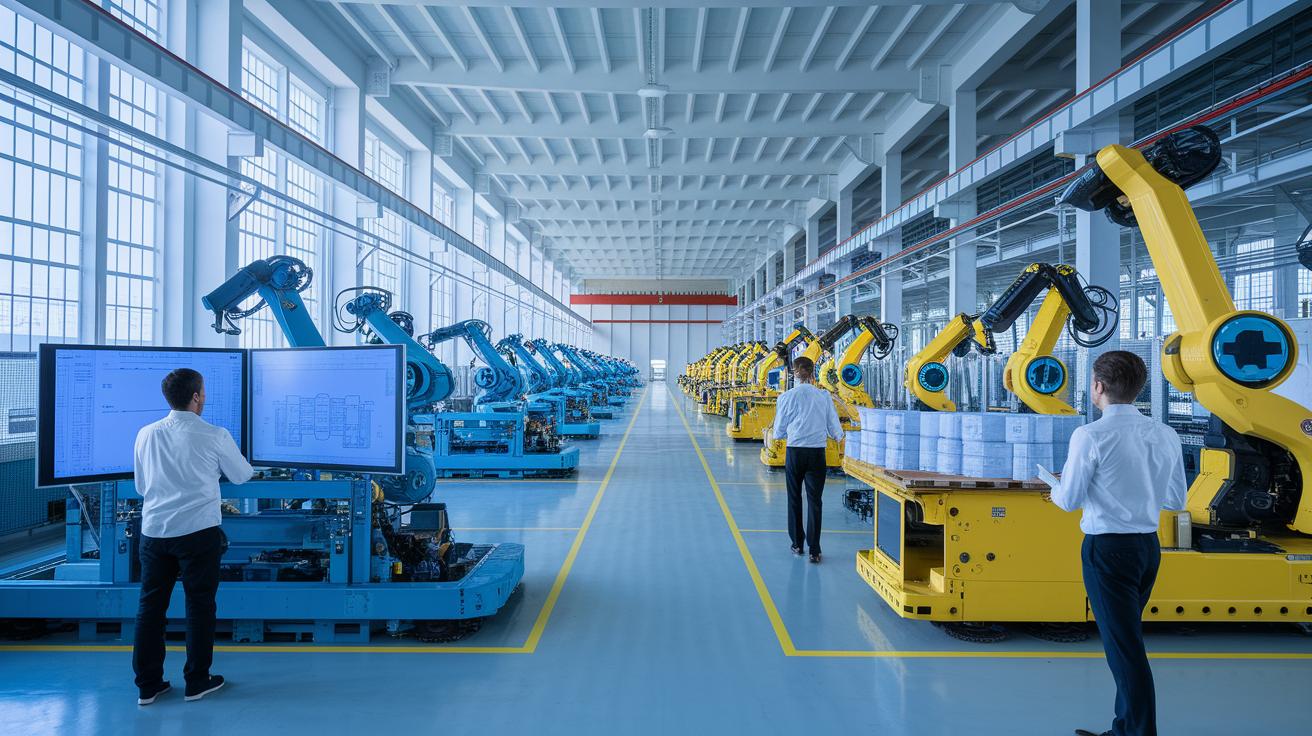
Global forecasts show that automation will grow by about 15% each year through 2025. New technology like IIoT (Industrial Internet of Things) and investments in emerging markets are pushing this change. Companies from manufacturing to logistics are using automation to improve productivity, quality, and safety. As digital connections improve, more sectors will adopt and integrate these technologies.
Safety, regulations, and workforce issues are reshaping the field. New safety rules, such as ISO 13849, require companies to update their systems to meet strict guidelines. At the same time, skill shortages and cybersecurity worries force businesses to invest in training and better security measures. High initial costs also keep smaller businesses from entering the market easily. These challenges point to a need for stronger rules and careful market reviews.
New tech is driving the next stage of automation. AI-driven control systems are set to make operations smarter and more adaptable. Energy-efficient practices are also gaining popularity as companies work to reduce their environmental impact. These advancements offer a clear path forward for businesses looking to build scalable, safe, and high-performing automated systems.
Final Words
In the action, this post covered the automation industry scope, trends, and market drivers in clear, bite-sized pieces. It ran through key technologies from control systems to predictive maintenance and robotics, and pointed out how digital integration powers smarter, safer operations. The discussion also touched on emerging digital twins, IIoT networks, and industry commitments to safety and growth. The automation industry stands as a fast-moving driver of efficiency and progress. All told, a smart, positive path forward is visible for today’s connected sectors.
FAQ
What is industrial automation?
The industrial automation overview explains using machines, sensors, and control systems like PLCs to handle production tasks, reduce manual labor, and boost quality across sectors like manufacturing and logistics.
What are some examples of industrial automation?
Industrial automation examples include using PLCs in assembly lines, deploying robotic arms for packaging, and installing sensor systems for quality checks. These examples show how technology streamlines production processes.
What are the types of industrial automation?
The four main types are fixed, programmable, flexible, and integrated systems. Each type is chosen based on production demands and the need for changeovers or customization in the manufacturing process.
What are some key industrial automation companies?
Leading companies in the industrial automation industry include Siemens, ABB, and Rockwell. These industry players drive innovation in control systems, robotics, and integration technologies to enhance production efficiency.
What is covered in industrial automation news?
Industrial automation news covers market trends, technology breakthroughs, and company updates. This news helps professionals stay informed about market forecasts, emerging innovations, and sector developments.
What is contained in an industrial automation PDF?
An industrial automation PDF typically includes overviews of technology, market trends, and case studies. It serves as a detailed guide for understanding how automation systems improve production and efficiency.
How is PLC used in industrial automation?
PLC industrial automation uses programmable logic controllers to manage machinery and processes. PLCs help ensure precise control, real-time monitoring, and efficient operation in automated production environments.