
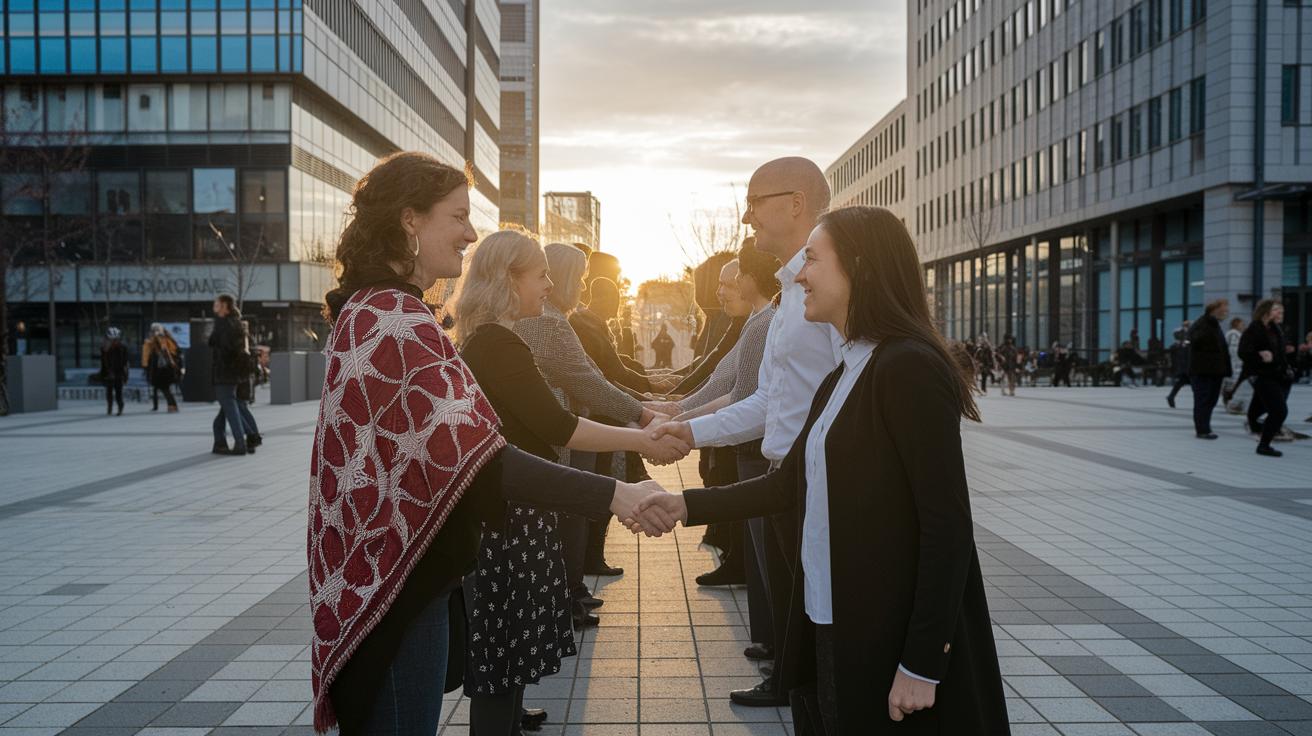

Ever wonder if different cultures clashing might actually bring us together? Culture clashes aren’t just about fights, they can start the kind of talks that unite people. When groups with their own unique ways meet, misunderstandings can turn into chances to learn empathy and respect.
This post explains how these encounters shape our communities and even build global social harmony. By looking at both the challenges and benefits of such meetings, we see that what looks like tension may actually help create a more connected world.
Understanding Culture Clash: Definition and Core Dynamics
Culture clash happens when groups with different cultural norms interact and conflict. It’s not just a misunderstanding about behaviors or the stress felt when facing unfamiliar practices. Instead, it covers a broad range of everyday interactions, whether in local communities or at work. For instance, a manager used to speaking directly might run into problems with a team that values a softer, more indirect approach.
At its heart, culture clash stems from three key issues: power imbalances, communication breakdowns, and value conflicts. Power imbalances occur when one group controls decisions and resources, leaving others feeling sidelined. Communication breakdowns arise when differences in language and body language make clear conversation difficult. Value conflicts come up when deeply held beliefs clash, often leading to defensive reactions or tough choices. Noticing these drivers helps us understand and tackle the tensions, paving the way to rebuild trust and spark real dialogue.
Historical Perspectives on Culture Clash: Timeline and Key Episodes
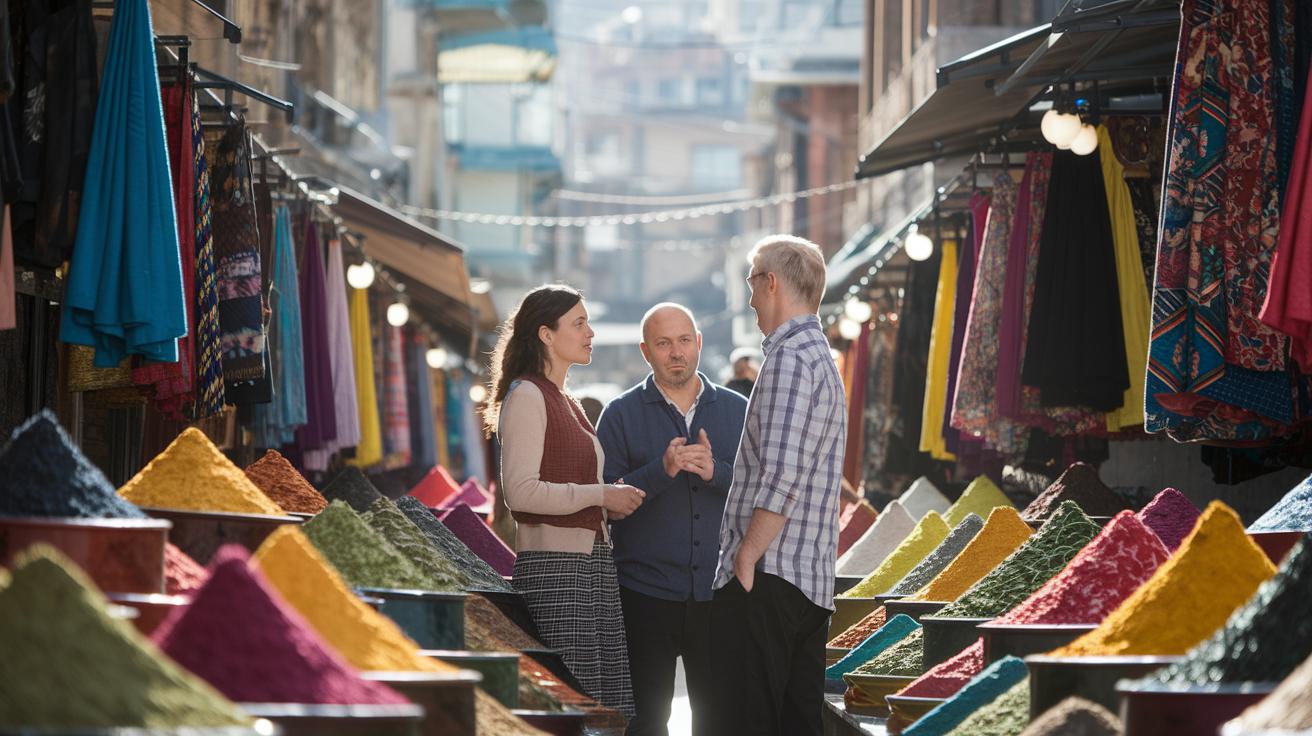
Throughout history, different cultures have clashed and mixed. When people from diverse backgrounds met, tensions arose and new ways of living were created. From ancient trade routes to today's cities, these encounters have shaped social life and left lasting impressions. Historians, writers, and artists all tell these stories to show how cultures have influenced each other.
Three key events stand out. Around the 2nd century BCE, the Silk Road did more than move goods, it spread ideas and opened up dialogue, even when differences led to friction. Between the 15th and 18th centuries, European colonial encounters brought distinct worlds together, often creating power imbalances and deep changes in society. Then, in the mid-20th century, decolonization movements reshaped national identities and challenged long-standing systems, laying the groundwork for today's concepts of cultural diversity and resistance.
These historical clashes still influence us today. They remind us that conflicts between cultures can spark change and shape community life. Researchers now look at these past events to learn how to better handle cultural differences and resolve conflicts in the future.
Root Causes Behind Cultural Conflicts
To stop cultural conflicts, we first need to understand what sparks them. When different customs, beliefs, and traditions meet, they can quickly turn into tensions. Knowing these triggers helps communities and leaders step in before small misunderstandings grow into major disputes.
Key factors include:
- Rapid globalization that blends different lifestyles too quickly
- Economic gaps that make some groups feel ignored
- Language differences that lead to simple mix-ups
- Clashing religious or moral beliefs
- Migration challenges that test identity and the process of fitting in
- Media that can worsen fears by repeating stereotypes
Each of these factors contributes to cultural clashes. For example, fast globalization can push very different ways of life together before everyone has a chance to adjust. Economic gaps leave some people feeling shortchanged, while language barriers can turn a small error into a big argument. Differences in faith and morals may lead to strong, opposing views, and migration can create friction when people try to balance their old ways with new surroundings. The media sometimes heightens these problems by focusing on negative stories.
When these issues mix, they add extra pressure on diverse communities. Recognizing how economic struggles, communication problems, and different values come together is a key step. With this understanding, community leaders and policymakers can create simple steps that ease tensions and build stronger bridges between groups.
Impacts of Cultural Misunderstandings in Society

Misunderstandings and stereotypes can disrupt everyday interactions. When people see each other through a narrow lens, small differences may spark conflicts at community events, school programs, and even in local government. Bias often builds up, isolating individuals and stalling shared projects. For example, a wrong idea about cultural customs in a neighborhood might push residents to form cliques, limiting opportunities for joint celebrations or collaborations.
These misunderstandings can also hit the economy hard. In workplaces, miscommunications slow down projects and cut productivity, which leads to higher costs as companies adjust their services for smaller, segregated groups. In politics, simplified and exclusionary messages can fuel populist movements. This, in turn, weakens trust in established institutions and creates an atmosphere where fear wins over rational discussion, affecting decisions from local councils to national elections.
Over the long haul, such issues undermine trust within society. When differences trigger suspicion, people tend to disengage from community decision-making. This gradual loss of respect makes it tough for leaders to forge a common vision, ultimately hurting the cooperative spirit that helps communities thrive.
Real-World Case Studies of Culture Clashes
Real-life examples help us see how cultural differences can spark conflicts in many places. These cases show that problems are never simple. They remind us to listen to different views and change our methods to bring divided groups together. In boardrooms, neighborhoods, and online spaces, people clash but can work toward a common solution.
| Context | Parties Involved | Nature of Clash | Resolution Status |
|---|---|---|---|
| Multinational corporate merger | Companies from different cultures | Different leadership styles and work habits | Continual adjustments with occasional mediation |
| Neighborhood gentrification dispute | Longtime residents and new investors | Issues over local identity and fears of displacement | Community meetings leading to partial agreements |
| Olympic host-city protests | Local citizens and international organizers | Opposition to forced cultural changes and policy shifts | Policy changes made after ongoing dialogue |
| Cross-border social media controversy | Online communities from many countries | Misunderstandings caused by language differences and stereotypes | Dialogue started with mixed results |
These examples show that cultural clashes often come from deep differences in values and habits. Each case required honest talks, empathy, and the willingness to listen. Real-world events like these prove that even small incidents can affect larger communities and organizations. By learning from these situations, groups can find better ways to talk, ease tensions, and build mutual respect for a more united world.
Overcoming Culture Clashes: Strategies and Solutions

Taking proactive steps in education, leadership, and policy is key to solving cultural conflicts. When teachers, business heads, and lawmakers plan ahead, they can fix small misunderstandings before they grow. For example, a school district that teaches cultural awareness helps students learn about diversity and respect. Leaders who back cross-cultural programs encourage teams to value different viewpoints. This clear approach, with smart policies and training, builds bridges and keeps conflicts at bay.
There are three main ways to tackle cultural challenges: open conversations, empathy training, and inclusive decision-making. Open dialogue gives people a chance to share their thoughts freely, much like a town hall meeting where everyone can speak and listen. Empathy training uses real-life examples to help people step into someone else’s shoes. And inclusive decision-making makes sure all community voices are heard so that disagreements turn into joint problem-solving sessions.
Mixing these strategies helps create lasting peace and fewer conflicts. Combining open dialogue with empathy training and inclusive policies builds a steady cycle of interaction that adapts to changing cultural needs. This method not only fixes issues right away but also lays the groundwork for long-term teamwork, turning differences into opportunities for creative solutions and mutual respect. In short, working together with these approaches helps communities move forward as one, building a more connected and resilient society.
Contemporary Challenges in a Globalized World
Today’s digital world often turns social media into a megaphone for cultural differences. A small mistake or misinterpretation can quickly spread online, causing simple issues to blow up into major disputes. People react fast, leaving little time to think things through, which makes disagreements seem even bigger. Local concerns can suddenly become global problems, deepening divides and stirring conflict. This shows why we need clear, thoughtful conversations in our fast-paced, connected world.
Across news outlets, films, and online platforms, cultural differences are often shown as battles instead of chances to learn from one another. These stories cut out the details and make conflicts look simpler than they really are. When we question these portrayals and seek the full picture, we open the door to meaningful dialogue. Sharing diverse viewpoints can help people understand each other better and ease tensions. By relying on trustworthy information and looking for common ground, we can break down stereotypes and build lasting respect across cultures.
Final Words
In the action, we traced the pulse of culture clash, from its definition and core dynamics to historical episodes and modern challenges. We broke down the root causes, assessed social impacts, and examined concrete case studies to reveal real-life implications. Strategies to ease cultural friction and foster constructive dialogue rounded out our exploration. This clear look at cultural misunderstandings sparks hope and guides practical solutions for smoother interactions in our diverse world. Keep these insights in mind as we move toward a more connected future.
FAQ
What does culture clash mean?
The term culture clash means that different cultural norms and practices come into contact, which can lead to conflicts due to power imbalances, communication breakdowns, and conflicting values.
What is an example of culture clash?
An example of culture clash is seen when communication styles differ in a workplace, leading to misunderstandings between employees from varying cultural backgrounds that disrupt teamwork.
What is Culture Clash London?
Culture Clash London refers to events in London that showcase diverse cultural arts and performances, creating a space where different traditions and creative expressions meet.
What is the Culture Clash show?
The Culture Clash show is a performance event featuring humor, drama, and artistic expression that highlights the differences and interactions among various cultural groups.
What is the Culture Clash performance schedule?
The Culture Clash performance schedule varies by event and location. Check official event pages or community listings to get current dates, times, and venues for upcoming performances.
What is Culture Clash yogurt?
Culture Clash yogurt is a unique brand that incorporates international flavors, reflecting diverse culinary traditions in its recipes and appealing to those who enjoy global food influences.
What does Culture Clash Charleston refer to?
Culture Clash Charleston refers to cultural events or creative showcases in Charleston where local traditions and diverse cultural expressions converge in public performances and community gatherings.
Who are the Culture Clash members?
Culture Clash members are a group of diverse artists and performers who use humor and insight to explore cultural differences and spark meaningful dialogue through their creative work.
What is Culture Clash Records?
Culture Clash Records is a music label dedicated to promoting artists whose work blends diverse cultural influences, bridging musical traditions and offering a platform for creative expression.
What are NO NOISE RECORDS AND HIFI, Allied Record Exchange, Your Media Exchange, The Vinyl Groove Records, and Maumee Antique Mall?
These names refer to record and media outlets that support local music and vintage collections. They serve as hubs for collectors and music fans interested in unique sounds and cultural exchanges.