


Imagine a life that's simpler and calmer. Many wonder if starting your day with meditation, chanting, and mindful work can ease modern stress. Every day, monks at places like iMonastery show that cutting out distractions can clear your mind and lighten your load. This post explains how a monk-like routine might help you shift from chaos to clarity. Could a simple life lead to lasting inner peace?
Embracing Monk Lifestyle: Core Principles and Practices
Monks live simply and focus clearly, offering a model for anyone looking to live mindfully. They start their day at 4:50 a.m. when a bell rings, setting a calm tone for the rest of the day. This early routine kicks off a day filled with meditation, chanting, and gentle work.
At iMonastery (the International Forest Monastery), there’s a 30-day ordination program that teaches basic spiritual ideas and helps build calm and focus. The program shows that living with few possessions and a clear schedule can lead to inner peace, even amid everyday distractions.
Participants learn about the value of self-discipline and letting go of excess to focus on what really matters. Many say that sticking to this simple routine brings clarity and a deep sense of calm. Living like a monk can help you find inner peace day in and day out.
Monk Lifestyle Daily Cloister Routine: From Dawn to Dusk
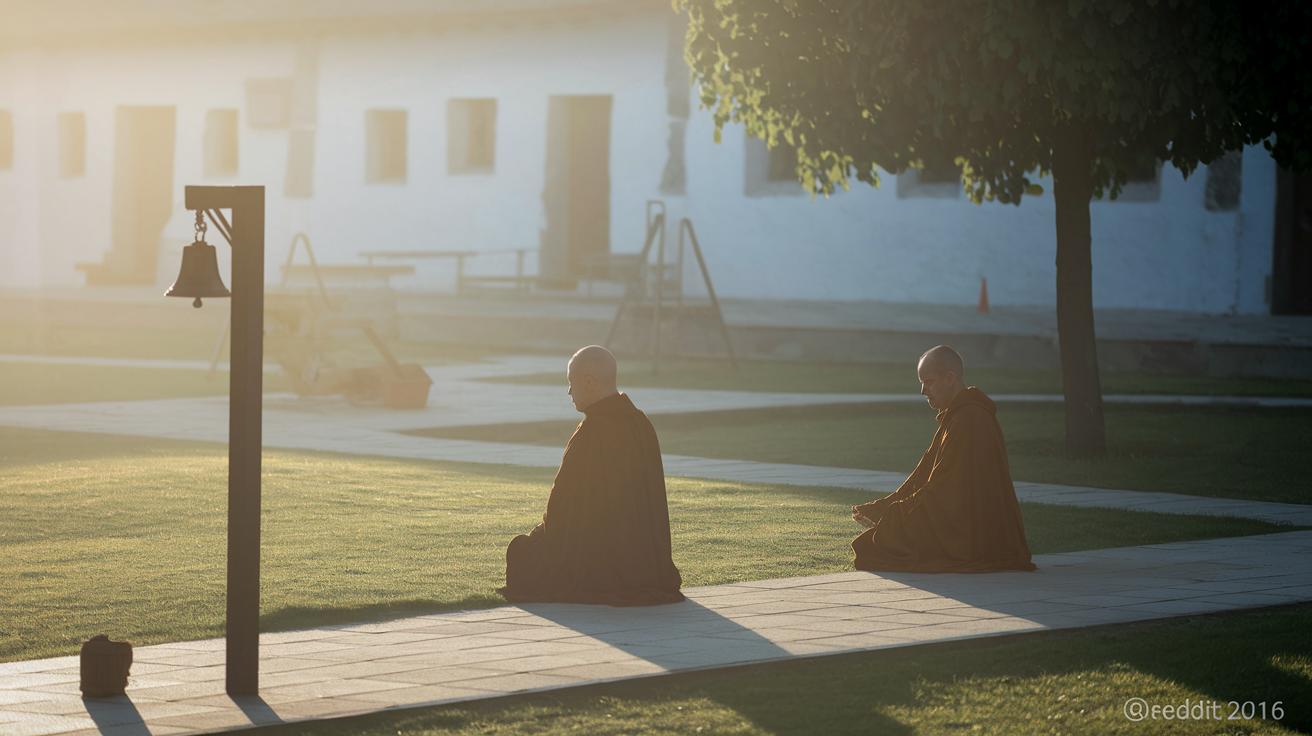
At 4:50 a.m., a bell rings, signaling it's time for seated meditation. This first act sets a clear tone for the day at iMonastery, even if some still feel a bit sleepy.
After meditation, the group begins chanting together. Their joined voices help everyone focus and feel connected. The sound of chanting makes it clear that they share a journey toward calm and inner strength.
Next, the day moves into communal work. Monks tend to gardens, tidy shared spaces, and prepare simple meals. These tasks are more than work; they are lessons in discipline and mindfulness, turning the calm from meditation into everyday actions.
Between activities, quiet breaks allow time to reflect. These moments help everyone process the morning's practice and keep clear thoughts alive. The day blends meditation, chanting, work, and reflection to support both mental focus and spiritual growth.
Monk Lifestyle Meditation in Seclusion and Spiritual Practices
Monks at the International Forest Monastery follow a daily routine that revolves around mindfulness and quiet reflection. They focus on their breath to clear their minds and build concentration. Each inhalation and exhalation anchors their thoughts during solitary meditation.
The training also includes walking meditation. Students match their slow steps with deep breaths, turning an ordinary walk into a mindful practice. This approach helps them stay grounded even as they move from one activity to the next.
Silent chanting is a key part of the routine. When the group chants together quietly, the shared rhythm calms the mind and fosters a sense of belonging. It reminds everyone that each moment can be an opportunity for meditation.
A popular guide called "12 Essential Rules to Live More Like a Zen Monk" is also used. This guide offers practical advice on living simply, staying focused, and finding calm. It suggests simple actions like a few minutes of gratitude daily, which deepens the practice of quiet self-reflection.
At iMonastery, all these practices work together to create a peaceful setting. The routine is designed to ease everyday stress through slow, deliberate actions. In this calm environment, spiritual growth flourishes and everyday life becomes clearer and more centered.
Monk Lifestyle Nutrition and Health: Ascetic Principles
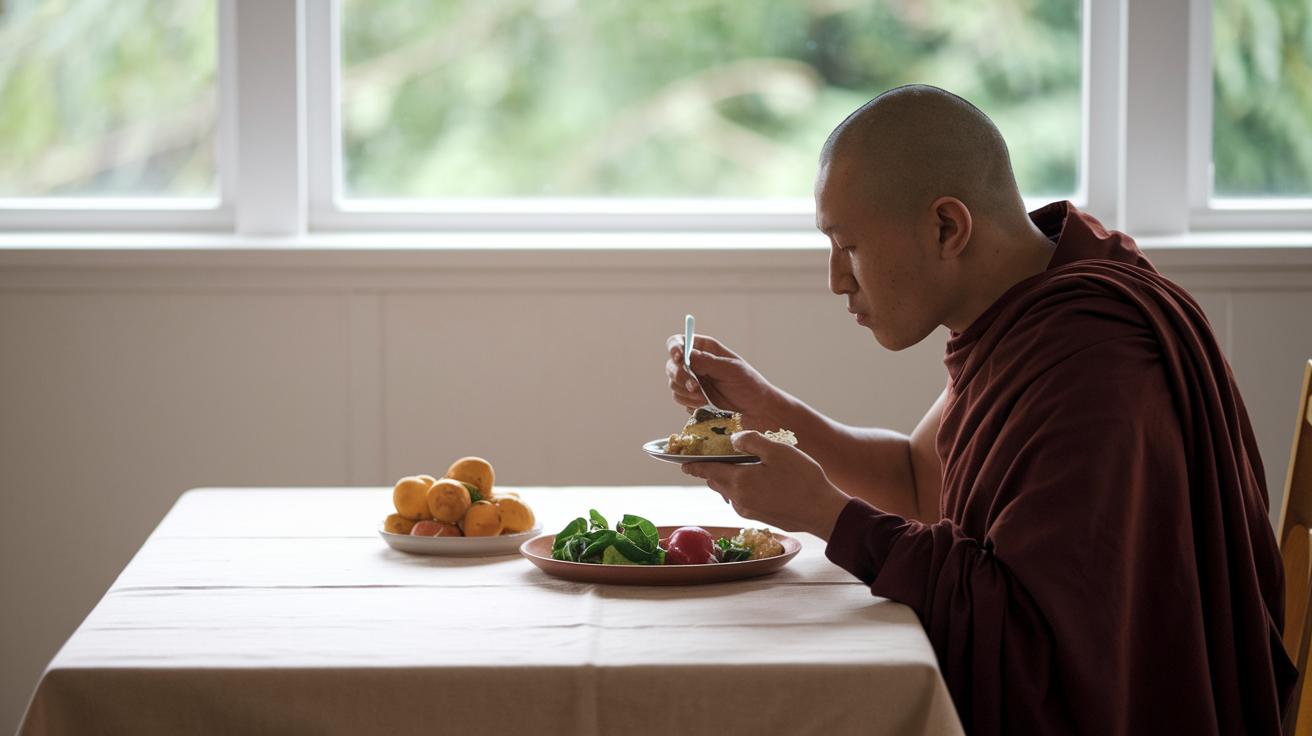
Monks keep a light diet based on plant foods that help them stay alert. They take each bite slowly and with a clear purpose, turning every meal into a moment of meditation. This mindful approach not only nourishes the body but also offers a quiet pause for inner reflection.
Many monks include fasting days in their routine. Fasting clears the body and sharpens the mind. It strips away extra indulgence and helps maintain steady energy for their spiritual journeys. One monk put it simply: "I eat to live, and every meal is a moment of reflection."
Their meals are simple and focus on essentials. Using few ingredients and straightforward cooking methods, each dish supports ethical and balanced nutrition. Even basic tools, like a simple insulated water bottle to keep beverages cool, show their commitment to a life of comfort and discipline.
This nutritional practice connects physical health with spiritual well-being, offering a clear path to sustained focus and clarity.
Historical Roots of the Monk Lifestyle and Hermitic Traditions
Centuries-old practices lie at the heart of the monk lifestyle we see today. Early Christian groups set a strong example of living together that later orders followed. Monks adopted a simple way of life that went beyond formal church ceremonies. Their days were filled with prayer, community work, and a clear sense of purpose, elements that still shine through in modern monastic life.
Himalayan Buddhist retreats also played a big role in shaping ancient traditions of solitude. Tucked away in remote mountain areas, these hermitages provided perfect settings for deep spiritual work. Monks here spent long hours in meditation and prayer, routines that later spread to other parts of the world.
Vedic forest retreats add another important chapter to the history of solitude. Here, ascetics lived close to nature with just a few possessions. They practiced meditation and learned from the natural world around them. This simple and disciplined way of living created a unique mix of contemplative practices that still influences community reclusion today.
The impact of these age-old traditions can still be seen in how modern monks live. Long-standing religious customs shape today’s group gatherings, structured meditation sessions, and the shared respect for silence in monastic settings. This history shows us that even strict routines can profoundly influence the quest for inner peace and a mindful, simple way of living.
Practical Guide to Adopting a Monk Lifestyle Today

Start your journey with a strong routine. Set your alarm for 4:50 a.m., just like the schedule at iMonastery. Waking early gives you quiet time before your day begins.
Plan time for meditation to help clear your mind. Try a 30-minute session right after you wake up and another at lunchtime. Eating simply matters too. Prepare plant-based meals ahead so that every bite feels mindful.
Cut back on screen time. Instead of scrolling, read a reflective text or simply sit in silence. This break from digital devices helps reset your mind and welcomes a simpler life.
Take advice from iMonastery alumni. They say that turning off notifications or taking a daily walk can build mindful habits. If you want more guidance, check out the Monk 4 Life certification options. These programs last 3, 6, or 12 months and offer a full guide to a daily cloister routine and deeper ascetic practice.
Create a quiet spot in your home for retreat. Clear away distractions and set up a simple space where you can practice solitude and integrate spiritual living into everyday life.
- Wake at 4:50 a.m.
- Schedule clear meditation blocks
- Plan simple, mindful meals
- Embrace a digital detox
- Create your own home retreat space
Final Words
In the action, we explored the monk lifestyle from vibrant morning routines to reflective meditative practices and mindful nutrition. We traced ancient traditions that still shape modern contemplative living and offered practical tips for integrating structured discipline into everyday life.
Every step, from a serene start at dawn to a mindful digital detox, supports a balanced and focused existence. Embrace these principles to create a calm, centered space in your life.
FAQ
What defines the Buddhist monk lifestyle?
The Buddhist monk lifestyle emphasizes simplicity, mindfulness, and strict daily routines. It blends early rising, meditation, chanting, and communal work to maintain discipline and inner peace.
What characterizes the Catholic monk lifestyle?
The Catholic monk lifestyle centers on prayer, community service, and a structured schedule that includes religious observances, simple meals, and disciplined work, reinforcing a life of devotion.
What is a typical daily routine for monks across traditions?
A typical monk routine starts at about 4:50 a.m. with meditation or chanting, followed by communal chores, study, and reflective intervals, echoing practices from medieval cloisters to Zen traditions.
What does monk life mean in a modern context?
Monk life means committing to simplicity, mindfulness, and self-discipline. It involves routines that promote spiritual growth, mental clarity, and the pursuit of inner balance in everyday living.
What are some recommended monk lifestyle books?
Monk lifestyle books explore topics like daily routines, meditation practices, simplicity, and ascetic discipline. They offer insights for anyone seeking to adopt a calmer, more focused way of life.
What are 10 key facts about monks?
Key facts about monks include early rising, structured routines, regular meditation, communal living, simple meals, controlled sleep patterns, fasting practices, historical traditions, mindfulness techniques, and spiritual commitment.
What are the rules of being a monk?
The rules of being a monk involve strict discipline, simple living, regular meditation or prayer, communal responsibilities, and a commitment to ascetic practices that guide behavior and spiritual focus.
How many hours a day do monks sleep?
Monks usually sleep between 4 to 6 hours each day. Their early routines and structured schedules mean sleep is limited to balance active meditation, work, and study sessions.
Why can’t monks eat after 12?
Monks avoid eating after 12 to practice restraint and foster mindfulness. This rule is part of their ascetic discipline, helping maintain focus on spiritual pursuits and self-control.