


Global partnerships are in flux. Recent leadership shifts and policy moves have pushed countries to rethink old ties. Europe is now crafting fresh strategies while closer links between Russia and China are shifting global power dynamics. This post reviews how domestic politics, trade deals, and security concerns are redrawing international alliances. Stay with us as we break down these trends and explore their impact on the global map.
Modern Shifting Global Alliances: Drivers and Trends
Recent political actions show that alliances can change very quickly. When a well-known leader stepped back from mediating the Russia–Ukraine conflict, European countries had to quickly find their own solutions. This move marks a shift from old alliances to more region-specific partnerships.
Closer ties between Russia and China are also altering the global power balance. Many smaller nations are now choosing not to fully support one side but to diversify their partnerships. This change reflects wider trends where nations adopt strategies that best fit their particular needs.
Key factors driving these shifts include:
| Factor | Effect |
|---|---|
| Domestic politics | Changes in leadership and policies prompt new alliances |
| Economic interests | New trade deals and investments encourage realignments |
| Security concerns | Emerging threats push countries to widen their defense options |
| Technological competition | Advances in tech spark rivalries that influence global roles |
| Ideological alignments | Differences in governance and social models shape alliances |
The leader’s retreat not only reduced U.S. influence but also pushed Europe to depend more on its own resources. Meanwhile, the stronger bond between Russia and China challenges the traditional Western lead. As countries weigh their own domestic needs against global pressures, they create customized alliances that better reflect their priorities in today’s dynamic world.
Historical Evolution of Shifting Global Alliances
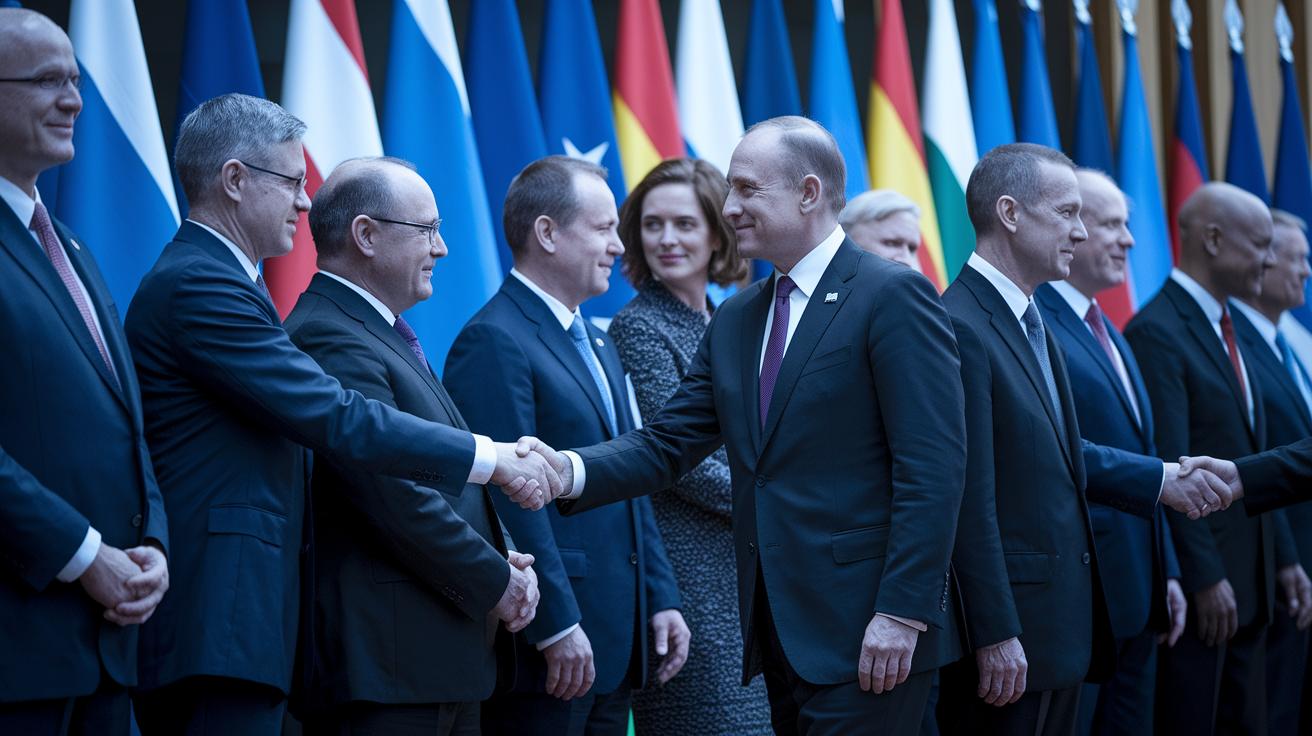
Before World War II, countries formed alliances around shared security needs and similar political views. They knew that going it alone could leave them exposed amid rising international tensions. In the years before the war, diplomats slowly built contacts and signed defense agreements that marked the first stages of clear, unified blocs. A key moment was when 49 nations joined forces in a coalition to fight Nazism, Fascism, and Japanese Imperialism. More than just military ties, these alliances represented a united global will that set the stage for future shifts in regional groups and multilateral cooperation.
During the war, the need to stand together sped up the creation of alliances. The cooperation among these 49 nations showed that countries could put aside their differences to form powerful coalitions against fast-growing threats. This experience led to new alliances designed to tackle postwar security and economic issues. Over time, this evolution helped form organizations like NATO, the Warsaw Pact (a group of Eastern Bloc nations), and political and economic unions such as the European Union. Each step highlights how global changes push nations toward collective action during crises, a pattern that still shapes strategic decisions today.
| Year | Alliance | Purpose |
|---|---|---|
| 1941 | WWII Allied Powers | Joined to fight Nazism, Fascism, and Japanese Imperialism |
| 1949 | NATO | Unified defense against Soviet expansion |
| 1955 | Warsaw Pact | Eastern Bloc military counterbalance |
| 1993 | European Union | Political and economic integration |
Contemporary Case Study: US, Russia, and China in Shifting Global Alliances
U.S. Influence Retreat
A top U.S. leader stepping away from Ukraine talks signals a change in America’s approach that has European nations rethinking their security and economic moves. European officials now boost their own diplomacy and defense plans while weighing whether to depend less on Washington. This change has sparked debates on building stronger regional security networks and adjusting long-term policies.
Sino-Russian Strategic Partnership
At the same time, Russia and China are deepening their ties. They conduct joint military drills, coordinate on economic projects, and share clear diplomatic messages. Their coordinated actions aim to counter Western moves and reshape global power by aligning their military, trade, and policy strategies.
Strategic Hedging by Middle Powers
Middle powers like India, Turkey, and Brazil are fine-tuning a strategy that spreads risk by keeping options open. They mix relationships with both Western and non-Western nations to secure economic benefits, improve security, and gain diplomatic backing. This practical approach, strategic hedging, helps them tap into multiple sources of support amid a changing global landscape.
Regional Realignments Reflecting Shifting Global Alliances
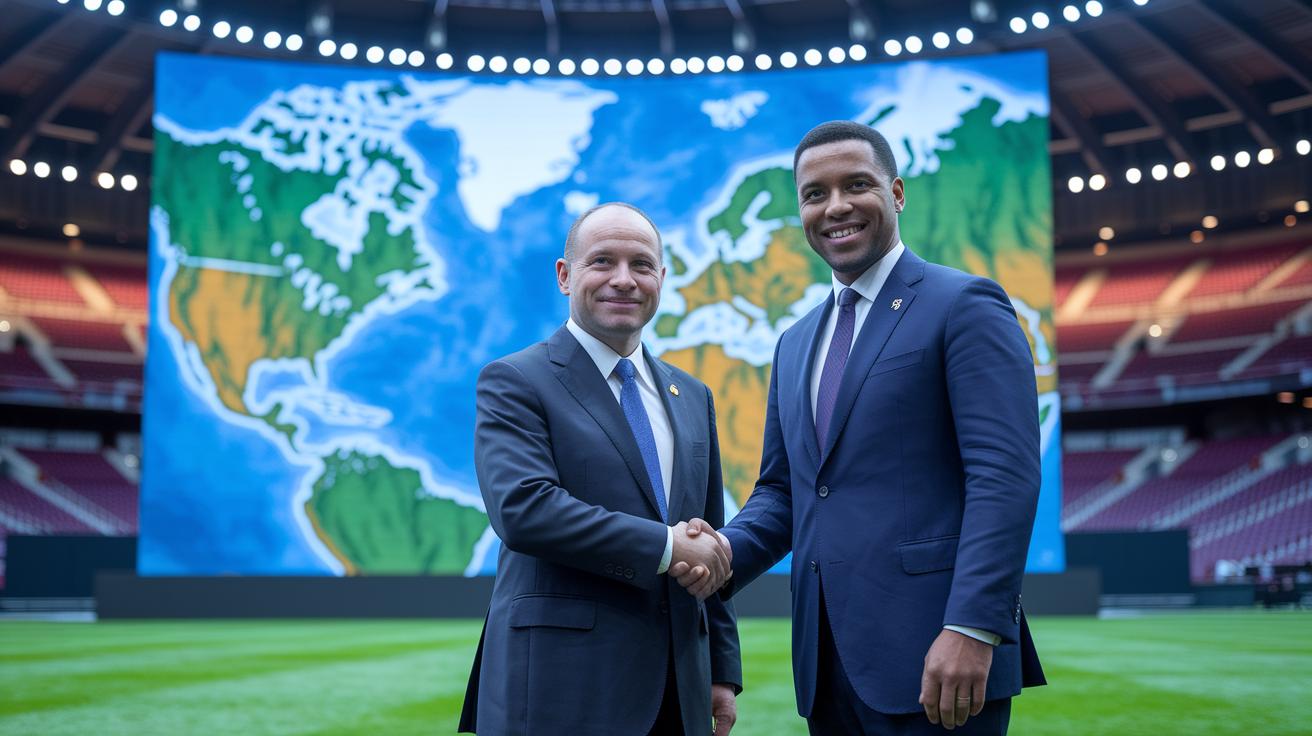
Across the Middle East and Africa, countries are reassessing old alliances to meet local security and economic challenges. Rising internal reforms and regional disputes have led governments to form new groups focused on boosting trade, defense, and stability. These emerging coalitions aim to handle conflicts and economic changes more effectively.
In East Asia, nations are resetting their partnerships to balance rapid economic growth with changing security needs. With pressure from external forces and fast-paced tech advances, countries are shifting toward flexible, market-based groups. These new alignments promote shared investments, tech collaborations, and defense agreements that strengthen all parties while easing reliance on outdated alliances.
South Asia is also recalibrating its ties, driven by both strong economic goals and ongoing regional disputes. Governments in this region are emphasizing trade within their borders and coordinated security measures. This focused approach lets nations adjust to shifting power dynamics with custom economic plans and security pacts that suit their unique challenges.
In Southeast Asia, nations are taking proactive steps toward deeper regional coordination as economic links and security concerns guide decisions. Even smaller countries are increasingly teaming up on trade, infrastructure, and defense projects. This cooperative strategy sets the stage for tighter regional bonds, positioning the group as a potential counterbalance in a future defined by more local strategic alliances.
Economic Drivers in Shifting Global Alliances
Countries are shifting their global partnerships with new sources of economic power. Old trade maps are giving way to fresh rules. For example, EU lawmakers are challenging deals like Mercosur, while Japan faces warnings in its bond market. These moves show that money and policy now drive diplomatic ties.
Trade agreements, tariffs, and sanctions are key to these changes. Nations are reworking cross-border deals, raising tariffs, and using sanctions as negotiating tools. Businesses may need to quickly adjust their supply chains to keep pace amid new rules. Global market ups and downs and political shifts are pushing countries to adopt trade norms that match their own goals.
New investment networks and creative financial diplomacy add to this realignment. Governments and private investors are teaming up on cross-country projects, arranging credit lines, and forming regional financial deals. This cooperation not only supports broader trade strategies but also helps balance the influence of traditional power centers, linking economic policies with changing international alliances.
Defense and Security Pacts Amid Shifting Global Alliances

Countries are changing their defense partnerships to tackle new threats. Traditional allies like NATO are revising their plans, while groups like AUKUS and the Quad are expanding teamwork to meet fresh challenges. These pacts now cover sea, land, and air defense to protect key regions.
Partnerships are also getting closer between nations like Russia and China. They are holding joint training and sharing ideas to handle modern threats, including risks from autonomous weapons (robots that can operate without direct human control). This shift helps them adjust quickly to the changing nature of warfare.
Technology is a major factor shaping these strategies. Nations are investing in advanced surveillance, cybersecurity, and automated combat tools. These moves are reshaping old alliances and giving rise to new defense agreements across continents.
Strategic Hedging and Future Prospects for Shifting Global Alliances
Countries use strategic hedging by not tying themselves to just one side. They build ties in politics, trade, and defense with a range of global players. This flexible approach helps them handle sudden shifts in power and keep their options open while they follow their own national interests.
Looking ahead, experts see several possible futures in the global power balance. One idea is that regional groups might band together because of shared trade and security needs. Another possibility is a return to a clear two-sided world, similar to the Cold War. Some think we might see more flexible networks forming quick alliances to address new problems. And there’s a chance for short-term coalitions that come together to tackle specific crises, like economic shocks or security issues. Each possibility shows a different way nations might adjust their strategies as global power centers shift.
The stakes are high in this changing landscape. Countries must balance long-term goals with immediate pressures as power shifts on the world stage. The choices made today could help build strong regional alliances or leave nations exposed to rapid changes. In the future, we may see a more spread-out power structure where constant adjustments in diplomacy are the norm.
Final Words
In the action, we traced modern alliance shifts, from historical milestones to current power plays by the US, Russia, and China. We broke down the drivers behind these changes and reviewed regional realignments, economic moves, and security pacts that are reshaping international partnerships.
The analysis shows how strategic decisions today feed directly into shifting global alliances. The evolving landscape encourages nations to hedge their bets, opening doors for more balanced power and promising breakthroughs on both diplomatic and economic fronts.
FAQ
Frequently Asked Questions
What is the meaning of shifting alliances in world politics?
Shifting alliances in world politics refer to dynamic reconfigurations of partnerships among nations, driven by changes in political, economic, and security priorities that reflect the evolving global balance of power.
How is India shifting alliances and who are its key allies?
India’s recent shifts in alliances indicate a strategic reevaluation of its international partnerships to boost economic growth and security, with key allies emerging from nations that share similar regional or global interests.
What characterizes alliances in Africa?
Alliances in Africa are defined by practical cooperation, with a focus on regional security and economic development, while military pacts and political alignments play a key role in shaping South Africa’s relationships and broader continental dynamics.
What are global swing states in the context of alliances?
Global swing states are countries that regularly change their international loyalties, affecting alliance formations by realigning their support based on fluctuating national interests and the benefits of diplomatic ties.
What is the IMF debate on the global economy about?
The IMF debate on the global economy centers on discussions about financial stability, growth challenges, and inequality, including how shifting alliances and global trade dynamics impact economic governance.
What are global alliances?
Global alliances refer to formal or informal groupings of nations that come together to achieve shared economic, security, and political objectives, thereby influencing international policies and shifting power structures.
Who is the most powerful alliance in the world?
NATO is often seen as the most powerful alliance, leveraging coordinated military efforts and collective defense commitments from its member countries to maintain a strong influence over global security matters.
How did alliances shift during World War I?
During World War I, alliances shifted dramatically as countries reassigned loyalties and formed opposing coalitions, fundamentally altering the conflict’s dynamics and setting the stage for significant geopolitical changes.