

Shifting global power could bring fresh hope.
Countries like Brazil, India, and Indonesia are building economic muscle and forming new alliances. They are challenging old power roles with smart moves in trade and diplomacy. These nations are turning regional partnerships into opportunities to update global policies, boost local businesses, and strengthen defenses. This shift may reshape international ties and offer a more balanced view of world power for years to come.
How Emerging Geopolitical Powers Are Reshaping Global Influence
Emerging geopolitical powers are countries growing fast in economy, diplomacy, and military strength. They are reshaping global power by shifting influence at groups like the UN, G20, and OECD. They back their rise with strong local industries, active global engagement, and enough resources to support their military efforts.
A few key trends are fueling this growth. World power is becoming more spread out among different nations rather than dominated by one country. Conflicts like the war in Ukraine have pushed countries to form tighter regional and trade partnerships. These shifts give emerging powers more chances to shape global talk on issues like climate change and resource sharing.
Consider these leaders:
- Brazil uses its Amazon influence to steer debates at major summits.
- India is rising with solid economic growth and a balanced diplomatic approach.
- Indonesia’s booming market and prime location make it crucial in Southeast Asia.
- The UAE leverages energy earnings and modern defense tools to expand its regional role.
- Vietnam is moving fast thanks to a strong manufacturing sector and deep links to global supply chains.
By 2030, these countries are expected to play a much bigger role on the world stage. Their increased economic power and diplomatic connections will lessen the hold of old global powers. This trend opens the door for more balanced decisions that reflect a variety of regional needs. Overall, emerging geopolitical powers will spark new international talks and shift how global policies are made.
Economic Foundations and Alliances of Emerging Geopolitical Powers
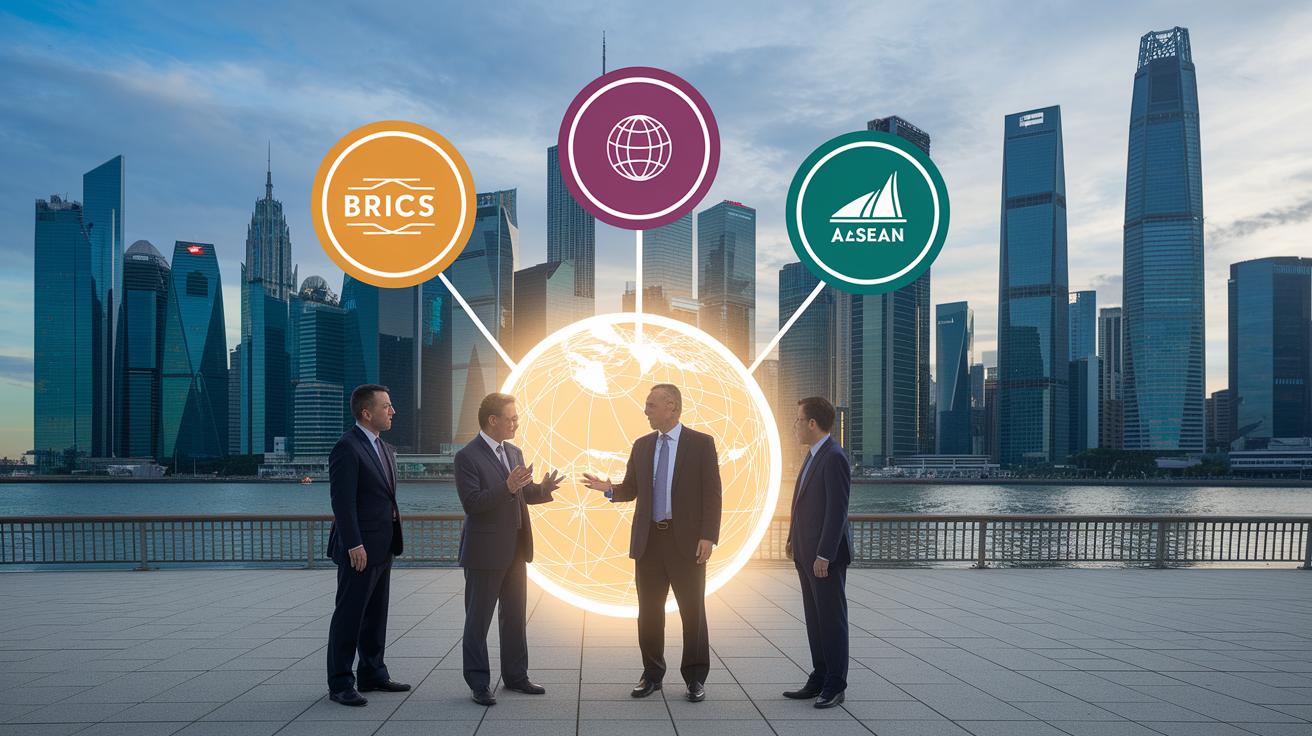
Rising nations are shaping their economic plans by linking growth with social and environmental aims. Jeffrey D. Sachs and the SDG initiatives have helped guide these countries, showing them how to make progress while staying responsible. They mix new economic reforms with smart use of natural resources and fresh ideas, which builds both wealth and influence.
- BRICS: A group of countries working together on shared policies and resources to speed up industrial and tech growth.
- ASEAN: A regional team that boosts trade and builds essential infrastructure across borders.
- AfCFTA: A large trade zone in Africa working to cut tariffs and strengthen the market on the continent.
- Mercosur: A South American alliance that makes it easier for products and services to move freely, helping local economies compete on a global scale.
India’s annual GDP growth of about 7 percent shows these strategies are working. By joining forces through groups like BRICS and ASEAN, these nations can negotiate better trade deals, lower costs, and spark innovation. As they connect more through trade and coordinated policies, the benefits of expanding domestic economies multiply.
Emerging states are also expanding their trade routes and accessing new global supply chains and digital markets. This shift helps them avoid relying on one single market while using their resources efficiently. As old trade patterns give way to new ones, these countries are setting the stage for lasting economic alliances and a stronger role on the world stage.
Defense Modernization Trends Among Emerging Geopolitical Powers
The New Geopolitics Program on Global Security Policy sets clear defense priorities by pushing for modern military tools. They stress the importance of cybersecurity, space capabilities, and unmanned systems to protect our future.
Recent Occasional Papers show that emerging nations have increased their defense budgets by about 7 percent each year from 2017 to 2022. This steady rise signals a strong effort to improve military facilities and invest in new technologies. Countries are now channeling more money into research and development to tackle changing threats.
Many rising states are adopting cutting-edge defense technologies. Enhanced cybersecurity protects key digital networks, while new space capabilities add a strategic layer beyond ground operations. Unmanned aerial vehicles (UAVs) are becoming essential as they perform missions with less risk to personnel and boost flexibility. These efforts are part of broader plans that blend smart, tech-based solutions into overall military strategy.
This shift in defense strategy is also changing regional security. As nations speed up their modernization, neighbors are rethinking their own plans and alliances. This competitive move shows that old ideas about military strength are now being paired with agile, technology-driven power, leading to fresh views on long-standing security ideas.
Regional Case Studies of Emerging Geopolitical Powers
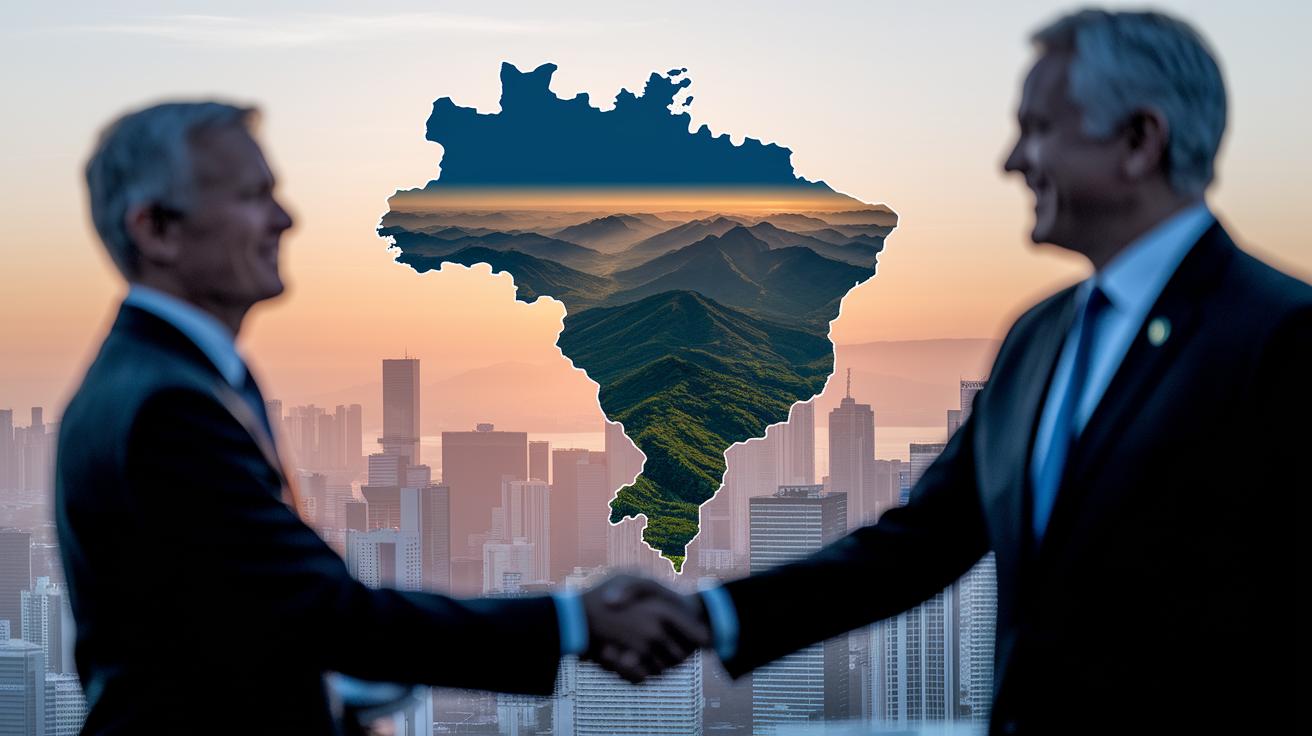
Brazil: Environmental Diplomacy and Resource Leverage
Brazil’s strong local industries and vibrant cultural ties boost its growing economy and active diplomacy. Its rising export numbers and role in international forums underline its importance in the region. A recent industrial upswing has only strengthened its strategic position.
Brazil also uses its rich Amazon resources to drive its environmental policy. By taking a lead at major climate summits, it shapes global talks on conservation and sustainable growth. This approach not only enhances its international image but also helps secure vital domestic environmental initiatives.
India: Economic Growth and Strategic Autonomy
India’s fast-growing economy and large, young workforce are pushing market growth and innovation. Investments in technology, infrastructure, and education have turned it into a serious contender on the world stage.
At the same time, India follows a nonaligned policy by carefully picking its defense deals. This balanced, flexible approach keeps its diplomatic options open and strengthens its role in international discussions. Smart defense investments help India stay independent while making a strong global impact.
UAE: Diplomatic Expansion and Defense Outreach
The UAE harnesses its energy revenue to build strong global partnerships and expand its international network. This steady economic base supports closer regional ties and opens up new trade and renewable energy opportunities.
The nation has also secured key security deals and modernization programs with allies like the US and France. Cutting-edge technology boosts its military strength and reinforces its role as a crucial state actor in the Gulf.
Diplomatic Strategies and Alliances of Emerging Geopolitical Powers
Emerging powers are growing their diplomatic toolkits by joining group talks and summits to discuss global challenges. They hold high-level meetings and one-on-one discussions to share ideas and shape international debates.
Countries are forming new partnerships in groups like BRICS, the Quad, and others such as I2U2. These alliances create spaces to talk about trade, security, and the environment, while also challenging old ways of managing world affairs.
These fresh moves are changing long-standing security setups led by established powers. As emerging countries build wider alliances, conflicts with older systems may arise. These shifting relationships are slowly balancing global power, sparking hope as emerging players gain more influence worldwide.
Forecasting Future Shifts for Emerging Geopolitical Powers
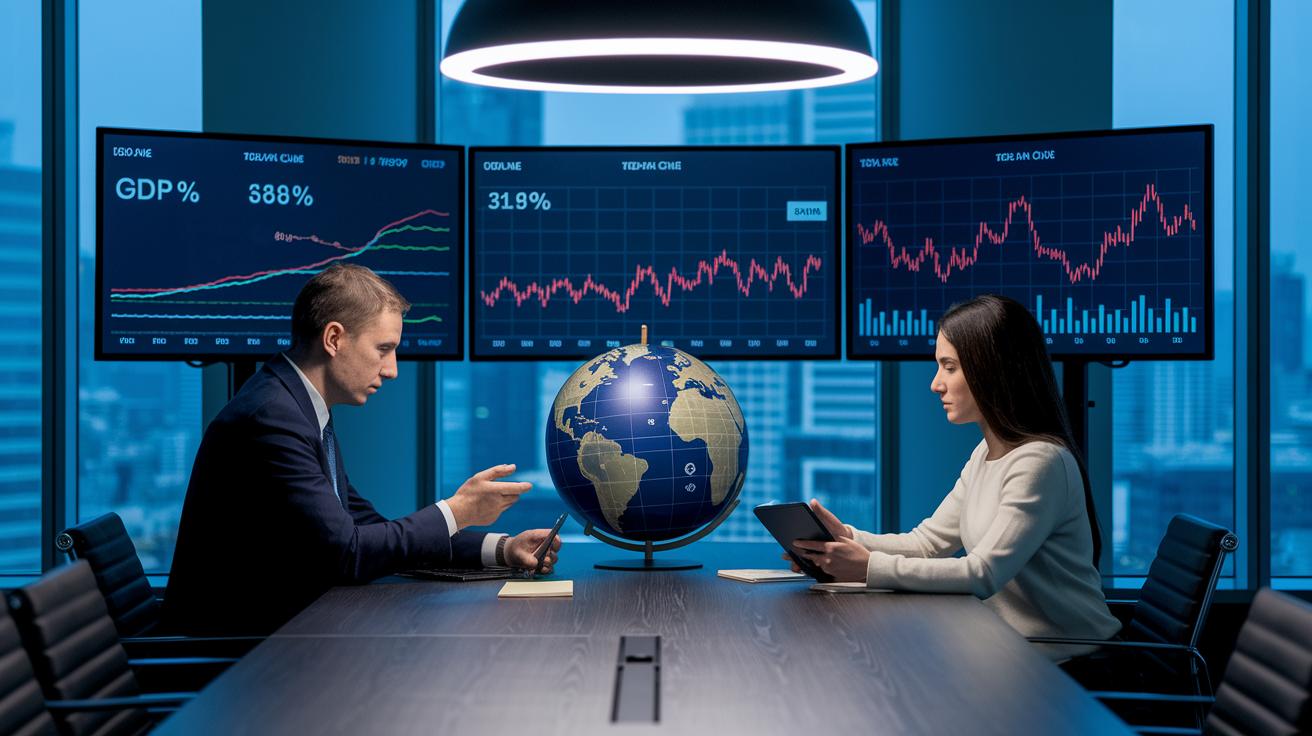
CIRSD’s Expert Analysis uses data from Occasional Papers along with insights from its Board of Advisors and Young Contributors to predict changes in global influence. They look at signals like the share of the digital economy and the effect of climate diplomacy to forecast power shifts.
Experts use clear numbers to spot trends for 2030. They check figures like GDP share, military spending, and soft-power scores to see how emerging nations might build on their gains and change their strategies. For example, a booming digital sector can boost economic strength, and stronger cultural outreach can increase soft power. Analysts also watch military spending because a bigger defense budget might shift local power balances.
Below is a table showing the expected influence scores and key growth drivers for selected countries:
| Country | Projected Influence Score (2030) | Key Growth Driver |
|---|---|---|
| India | 65/100 | Digital economy growth |
| Brazil | 50/100 | Environmental diplomacy |
| Indonesia | 45/100 | Manufacturing expansion |
| Nigeria | 40/100 | Population-driven market |
These forecasts hint that a new global order is on the horizon. Changes in economic basics, defense spending, and cultural outreach suggest that emerging states could take international influence in fresh directions. With shifts in trade, tech innovation, and regional security, it’s clear that watching these trends will help us understand future power balances.
Final Words
In the action, the article traced how emerging geopolitical powers shape global influence, spotlighting growth in economic strategies, defense innovations, and diplomatic realignments. It covered key trends from shifting alliances to regional case studies in Brazil, India, and the UAE. We also looked into forecast metrics that point to a more balanced global order by 2030. These insights show how rising states are reshaping the scene, making it clear that emerging geopolitical powers play a crucial role in determining tomorrow's world. The future looks dynamic and full of potential.