
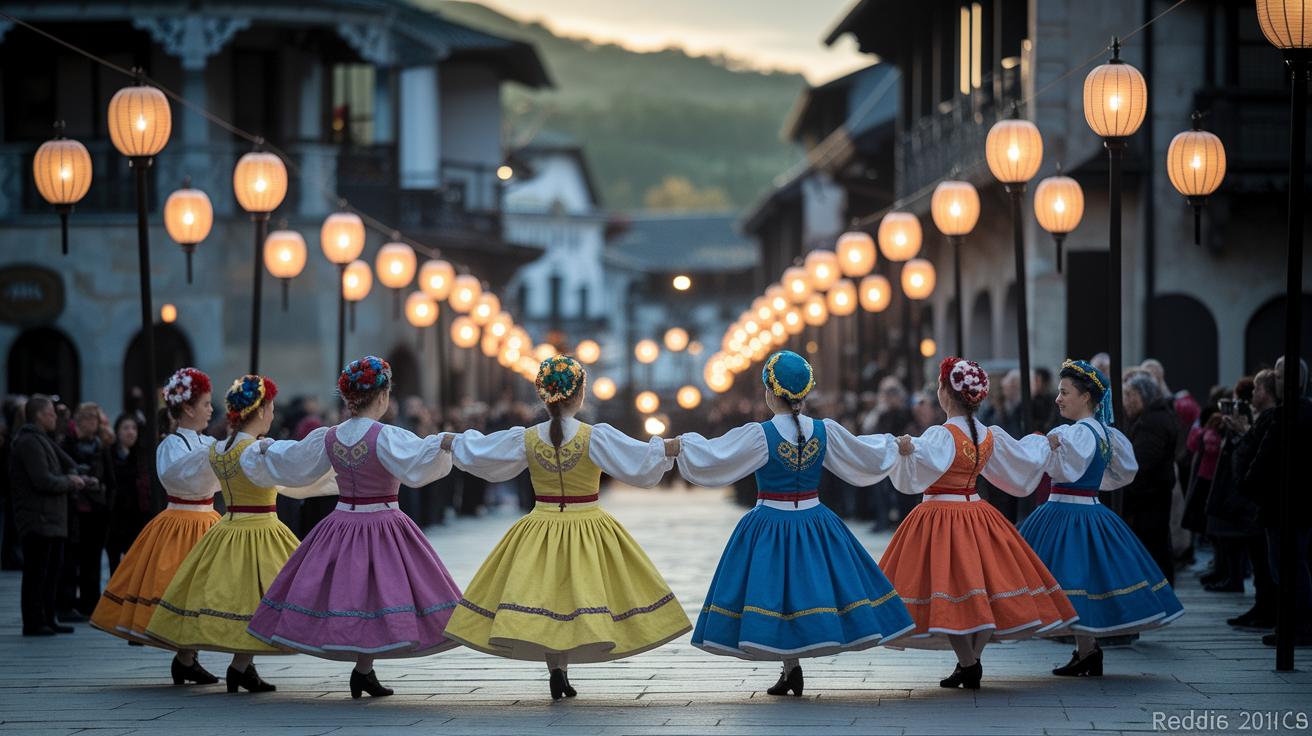

Can old customs still brighten our modern celebrations? Traditional practices link our simple rituals and community events to a rich past, reminding us they aren’t just relics. Whether it’s a respectful family tradition or a spirited event like cheese rolling and ancient dancing, these customs weave bonds that stretch across generations. This post shows how tradition sparks celebration and deepens community ties, proving that old customs still have a powerful role in our everyday lives.
Defining Traditional Culture: A Comprehensive Overview
Traditional culture is made up of the habits, activities, and customs passed down through generations. It is a living record of how communities express themselves and share their history through stories. Simple acts, like taking off your shoes before coming into a house, show respect and connect daily life with deep tradition.
Ceremonial foods also play a big part in keeping traditions alive. In the United Kingdom, wedding cakes are more than just dessert; they mark a special part of the marriage celebration and bring the community together. In Gloucestershire, a fun event known as cheese rolling sees people chasing a 7- to 9-pound round of Double Gloucester cheese. A cheese wheel sometimes rolls as fast as 70 mph during this annual event, showing off both local lore and a spirit of playful competition.
These examples remind us that traditional culture is not fixed. It grows and changes while still holding on to its roots. Every practice, whether a simple home ritual or a festive event, offers a glimpse into a community’s unique history, showing us how people celebrate, remember, and pass on their heritage.
Traditional Culture Sparks Timeless Celebration
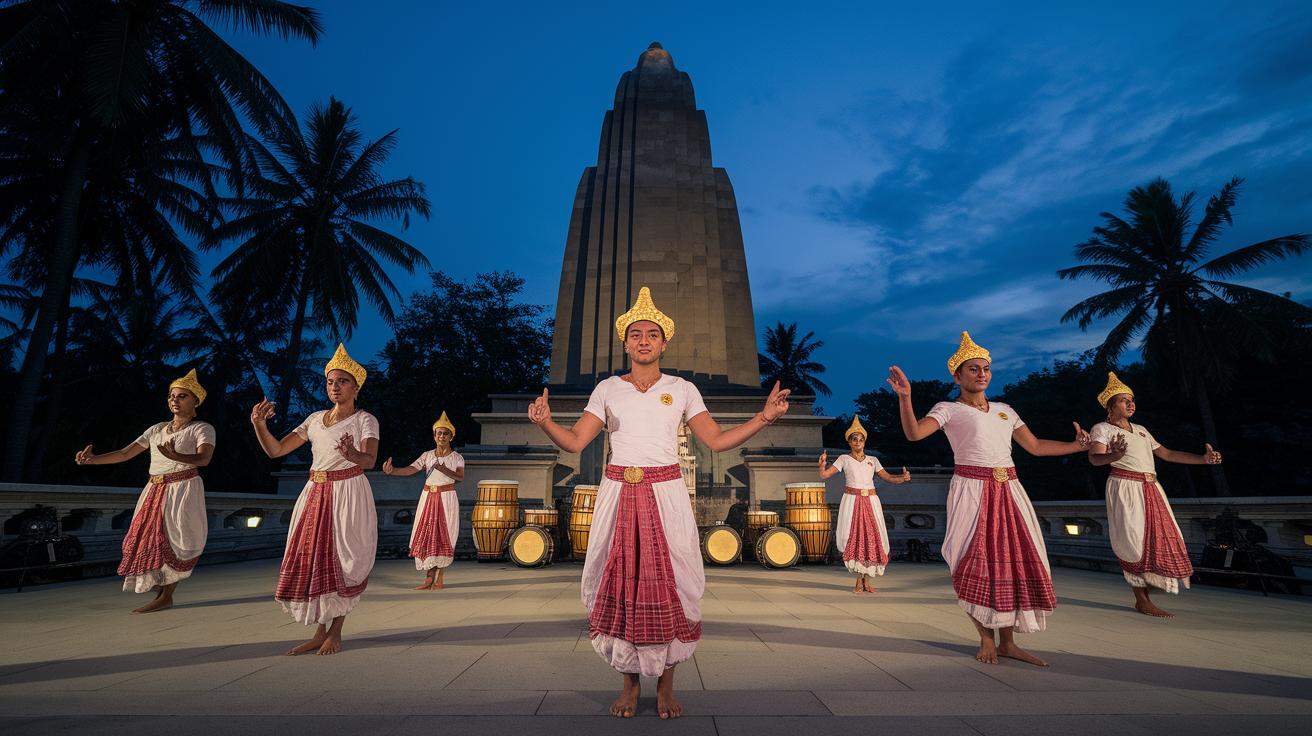
Ancient customs have been part of communities for thousands of years. The Sinhalese of Sri Lanka show this with a culture that is more than 2,600 years old. They keep the Kandyan dance and other ritual arts alive to honor their ancestors. This long history proves that old traditions can still spark lively celebrations today.
In northern Europe, the Sámi people in Sápmi continue the tradition of reindeer herding. Generations have passed down these practices, showing a close bond with the land and animals. While they adjust to modern life, they keep the spirit of their past alive.
In Namibia, the Himba live a semi-nomadic life and express their heritage by wearing red otjize paste and goat-hide clothing. Their daily habits come from traditions that have evolved over time. In Peru, Quechua communities maintain textile techniques that date back to the Incan era, using natural dyes and alpaca wool. These methods offer a real connection to their history as they face new challenges.
Key traditions include:
- Ritual performances, such as the Kandyan dance, that reflect a storied cultural past.
- Sustainable reindeer herding that shapes Sámi heritage.
- Distinctive dress and lifestyle kept alive by the Himba.
- Textile techniques that preserve Incan artistry among the Quechua.
These evolving traditions show how old customs adapt and continue to bring history to life through celebration.
Traditional Culture Sparks Timeless Celebration
Around the world, people honor their traditions with daily rituals, time-honored customs, and festive events. For example, many cultures ask you to remove your shoes before entering a home as a sign of respect that connects modern life with ancient practices.
Food traditions also bring communities together. In the United Kingdom, wedding cakes serve as a gathering point for family and friends. In Gloucestershire, participants chase heavy cheese wheels during a lively cheese-rolling contest. In Sri Lanka, the Sinhalese Kandyan dance marks religious celebrations with careful, rhythmic steps.
Clothing plays a big role too. At Indian weddings, brides choose colors that carry deep cultural meanings. Chinese brides often wear red to invite luck and prosperity. Meanwhile, Quechua artisans weave textiles with intricate designs that tell stories of history and identity.
Festivals vary widely from place to place. Spain’s La Tomatina turns city streets into a playful tomato fight. In Italy, the Carnevale di Ivrea features an unusual tradition of throwing oranges. Other ceremonies include Sámi reindeer herding in the North and Himba rituals in Africa that preserve age-old customs.
Traditional music and dance add unique flair to these celebrations. A Kandyan dance, for instance, not only entertains but also connects dancers and onlookers to a heritage that spans centuries. Similarly, Sámi and Himba communities express their ties to nature and history through heartfelt practices.
Key elements of these traditions include:
- Respectful entrance rituals
- Community food ceremonies
- Clothing with symbolic meaning
- Local festivals that tell a story
Each of these practices shows how traditional culture continues to shape communities in a vibrant and lasting way.
Regional Variations in Traditional Culture

Traditional culture takes many forms around the world. In China, Chinese New Year happens between late January and mid-February. Families gather to share dumplings and celebrate with lanterns shaped like dumplings. These symbols express hopes for wealth and unity, showing that old customs still matter even as life changes.
In Mexico, the Day of the Dead is celebrated on November 1 and 2. Homes become colorful tributes with altars decorated with marigolds, candles, and favorite foods. This celebration turns remembrance into a lively event that brings the past into the present.
India’s Holi festival welcomes spring with playful throws of colored powder and water. This energetic event highlights the community’s joyful spirit and invites people of all ages to join in a tradition passed down through generations.
Brazil’s Carnival features week-long street parades, complete with samba schools and striking costumes. This festival captures the nation’s passion for music and dance, transforming city streets into vibrant stages for cultural expression.
In the United States, Thanksgiving is celebrated on the fourth Thursday in November. It centers on shared meals and thankfulness, bringing families and communities together and reinforcing a tradition that has evolved over time.
Other examples include Japan’s matsuri festivals, which blend Shinto rituals with community dance; Italy’s local saints’ festivals that mix historic ceremonies with modern pageantry; and Australian native practices that honor the land through storytelling and ceremonial gatherings.
Key regional differences include:
- Unique seasonal celebrations
- Distinct food traditions
- Community rituals that honor ancestry and nature
Each festival shows how traditional culture adapts to its local setting, weaving diverse customs into a shared heritage.
Challenges and Preservation of Traditional Culture
Local customs are under pressure as cities grow and tourism increases. Traditions that once bonded communities now risk becoming mere attractions for visitors. This shift can strip these practices of their true meaning, turning rich heritage into simple performances.
Communities are fighting back. They use proper translation and localization services to ensure that the original spirit of each custom stays intact. Without these efforts, the deep message behind longstanding traditions might be lost as meanings shift over time.
Local groups are busy recording oral histories and personal stories to keep the past alive. Heritage events like Barsana’s stick ceremonies and Gloucestershire’s cheese-rolling are more than just shows; they are celebrations that renew shared memories and community pride.
Key strategies include:
- Recording oral stories and traditional performances
- Hosting festivals and cultural gatherings
- Using translation services to preserve meaningful context
- Teaching younger generations about ancient customs
These actions show that preserving local heritage is a group effort. In blending the old with the new, communities are securing a future where the lessons and values of the past continue to guide daily life.
The Role of Traditional Culture in Modern Society
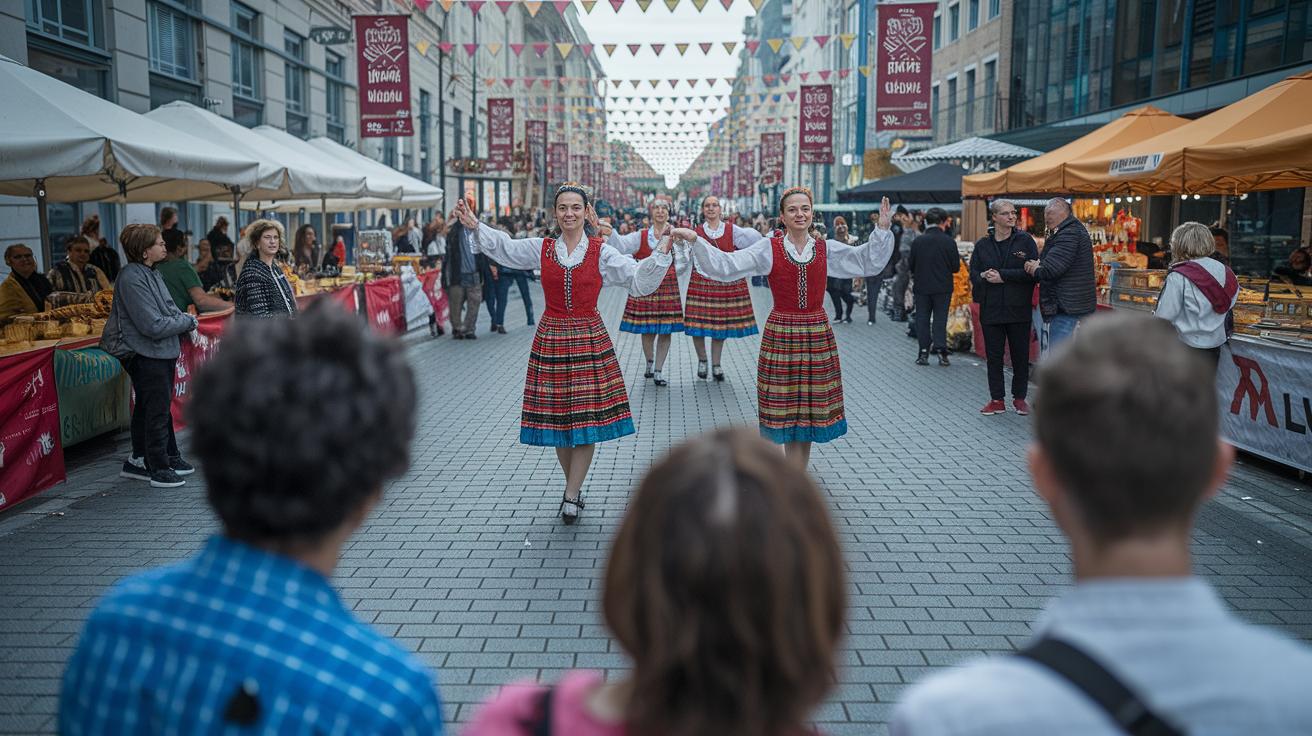
Traditional culture is at the heart of who we are. It gives each person and community a strong sense of identity with practices passed down over time. Local festivals and long-held ceremonies remind us of our roots and shape the way we live every day.
Digital media and global travel have changed how these traditions spread. Social platforms now let communities share folk customs with people all over the world. This online exchange sparks new interest and gathers people from different backgrounds to celebrate shared heritage.
Cultural festivals also boost local economies. Street parades, regional fairs, and community dances draw visitors, helping tourism grow and encouraging international connections. Even brands now work heritage elements into their storytelling to build trust with customers.
Traditional culture leaves a lasting impact. While these practices keep historical and emotional bonds alive, they also grow and change with new influences, adding rich layers to community life and local business.
Final Words
In the action, we traced key customs and historical layers that shape traditional culture. The post highlighted ancient rituals, regional festivities, and how communities adapt cherished practices in modern settings. Small-scale examples like unique entrance rituals and ceremonial foods underscore how culture binds identity and history.
Community efforts to document and revive traditions show that these customs still thrive. Traditional culture remains a dynamic force, connecting past and present in a way that inspires hope and supports positive community growth.
FAQ
What do you mean by traditional culture?
The term traditional culture means the customs and practices passed down through generations that shape community identity through rituals, storytelling, ceremonies, and other shared behaviors.
What are examples of traditional culture?
Examples of traditional culture include rituals like removing shoes before entering a home, ceremonial foods at weddings, indigenous crafts, oral storytelling, and festivals such as Day of the Dead and Holi.
What are some traditional culture facts?
Traditional culture facts reveal that these time-honored practices form identity markers, constantly reaffirming social bonds across generations through rituals, attire, and community celebrations.
What does traditional culture in America mean?
Traditional culture in America reflects the diverse customs brought by various groups, seen in practices like Thanksgiving gatherings, local folk music, community festivals, and intergenerational storytelling.
How can you describe traditional culture in writing?
To describe traditional culture in writing, use clear sentences and examples such as festivals, rituals, and customs that illustrate historical roots and the vital role of these practices in community identity.
How is traditional culture represented in drawings and oral communication?
Traditional culture is depicted visually through art and drawings that capture symbols and rituals, while oral communication preserves its heritage via stories, songs, and spoken traditions passed down over time.