
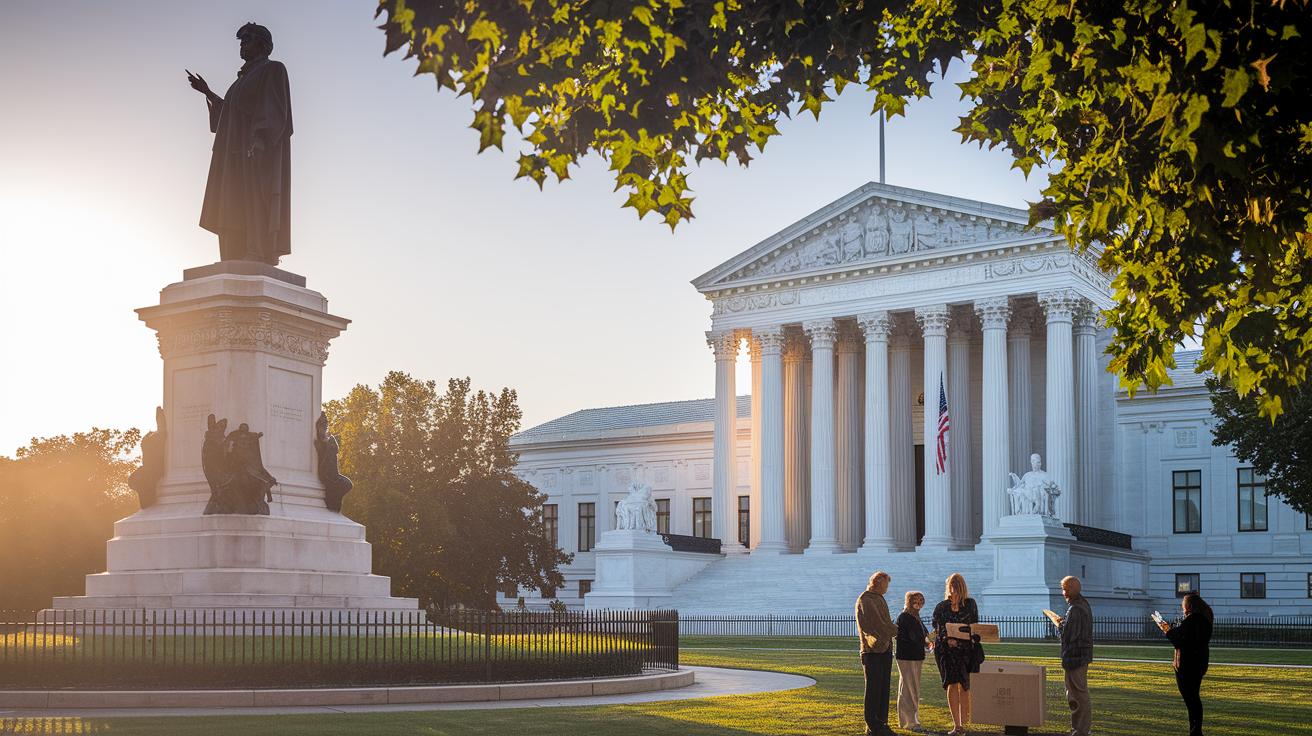

Every stone and statue in America hides a story. Many of these sites have witnessed debates, battles, and fresh starts that helped shape our nation. Landmarks like Independence Hall and the Statue of Liberty remind us of real struggles and wins that still inspire people today. Their histories show us where we come from and offer simple lessons for now. Step into a place where history isn't locked in textbooks but lives among us, keeping our past alive and lighting a clear path ahead.
Iconic American Landmarks: Significance and Stories
The United States has more than 2,500 national historic sites and archaeological treasures that go back 700 years. You can find Colonial buildings, meeting halls from the Revolutionary War, and battlefields from the Civil War. Each landmark tells a part of America’s story. For instance, Independence Hall in Philadelphia was where leaders debated ideas that led to both the 1776 Declaration of Independence and the 1787 Constitution. It’s easy to picture the room filled with passionate discussions by figures like Thomas Jefferson and Benjamin Franklin.
The Statue of Liberty stands tall on Liberty Island. Since its dedication in 1886, its raised torch has welcomed millions of immigrants seeking new beginnings. This statue remains a constant symbol of hope and freedom.
In the Black Hills, Mount Rushmore features the carved faces of four presidents. Created between 1927 and 1941, this monument represents leadership and the strength that pushed America forward.
Gettysburg National Military Park marks where a pivotal 1863 battle changed the course of the Civil War. The preserved land and monuments echo President Lincoln’s Gettysburg Address, urging unity during a divided time.
Alcatraz Island, which once served as a military stronghold and later as a federal prison, shares a layered story of justice and reform. Meanwhile, the White House, renowned for its neoclassical design and its role as the president’s home since the early 1800s, stands as a lasting symbol of America’s democratic heritage.
Each landmark offers a unique glimpse into the nation’s past. Together, they form a rich tapestry that connects history with the values America holds today.
Revolutionary Landmarks: Foundations of American Independence
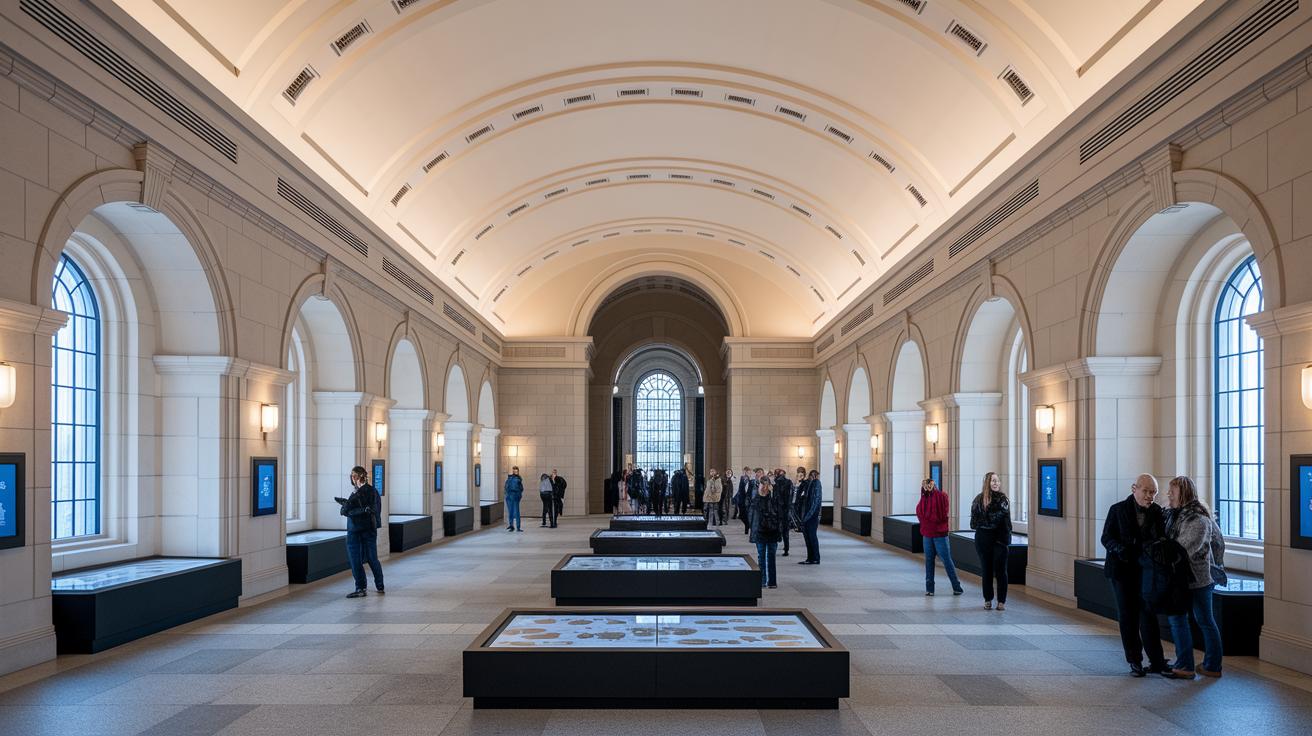
Modern updates at Independence Hall have reshaped how visitors experience this historic site without losing its original character. Recent projects have worked hard to keep the building's original details intact, while adding small improvements that boost safety and accessibility. For instance, new climate control systems and gentle lighting help protect valuable artifacts and let visitors feel the hall's rich past.
Today, Independence Hall stands as a lively part of cultural tourism. Visitors enjoy hands-on educational programs that mix history with modern interactive displays. One guest said, "Walking these halls, I felt history speak to the present in a very personal way." These personal stories show just how much the site still touches people.
Local experts say that carefully balancing preservation with modern updates has increased public interest. New restoration methods maintain the building's authentic feel while meeting today's visitor needs. This approach makes Independence Hall more than just a monument from the past, it is a vibrant piece of Philadelphia's cultural life.
Civil War Landmarks and Battlefields: Narratives of Unity
At Gettysburg National Military Park, well-preserved earthworks, monuments, cannons, and relics mark the pivotal 1863 battle that reshaped the nation. Walking these grounds, visitors feel a deep connection to history. A local historian said the quiet of the fields speaks powerfully of sacrifice and hope. President Abraham Lincoln delivered his Gettysburg Address at this very spot, urging national unity and equality.
Memorials and detailed inscriptions on stone and bronze honor the sacrifices of soldiers and show a community's long-held wish for reconciliation. Visitors often pause to reflect on the lives lost and the decisions that continue to influence American values today.
This site not only preserves the facts of battle but also captures the feelings and reflections of those who remember. It stands as a reminder that the theme of unity remains a living part of our shared history.
Civil War landmarks like Gettysburg help us understand our past and inspire us to value peace and togetherness for the future.
Freedom Monuments and Landmarks: Symbols of Hope and Identity
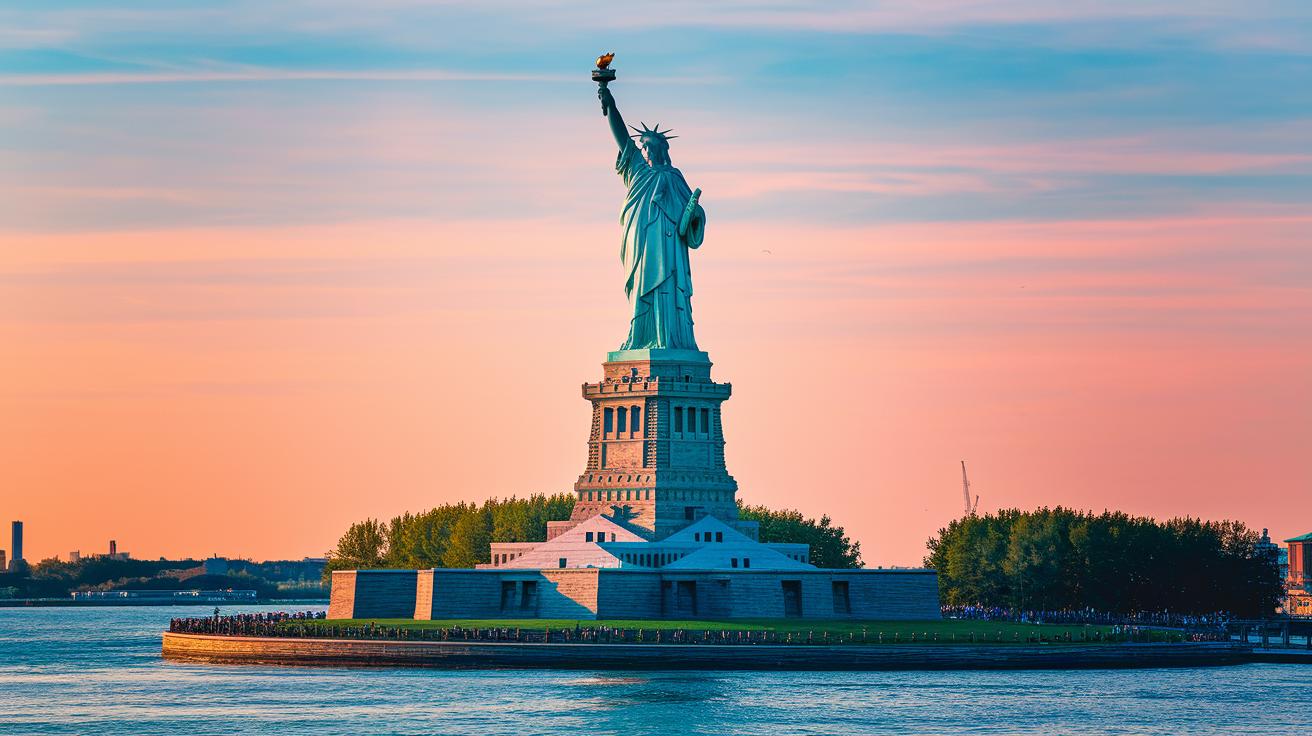
The Statue of Liberty is more than just an old monument. Its design, with the aging copper and bright torch, sparks creative ideas worldwide, blending history with modern renewal.
Local festivals and art shows celebrate this landmark, and storytellers share hidden gems, like early photos capturing unique shadows on Liberty Island that helped shape American art. This sets the statue apart from other famous symbols such as Brazil's Christ the Redeemer, which speaks to hope in different ways.
Today, visitors see the statue as a living narrative. Community leaders and artists credit its striking design with inspiring local pride and creativity, fueling discussions on national identity and global ideals.
National Memorial Landmarks: Military Fortresses to Executive Mansions
Alcatraz Island and the White House serve as key stops on national memorial tours. They offer more than just a glance at history. Over time, these sites have shifted from clear symbols of military force or presidential power into rich storages of cultural memory. Visitors often remark, "Walking through the old halls of Alcatraz lets you feel the weight of secret decisions."
Rather than repeating the standard details, it's helpful to compare these landmarks with others to see new angles. The relics at Alcatraz now spark conversations on reform and legacy, while the White House’s carefully arranged rooms reveal changes in public opinion and leadership.
Looking at these sites side by side shows how deeply they touch our cultural life. Their iconic buildings and evolving stories highlight how our public spaces are continuously reinterpreted for each new generation.
| Site | Fresh Perspective |
|---|---|
| Alcatraz Island | Highlights reform and legacy through its relics |
| The White House | Reflects changing public views and leadership styles |
American Historical Landmarks and Their Stories: Bright Legacy
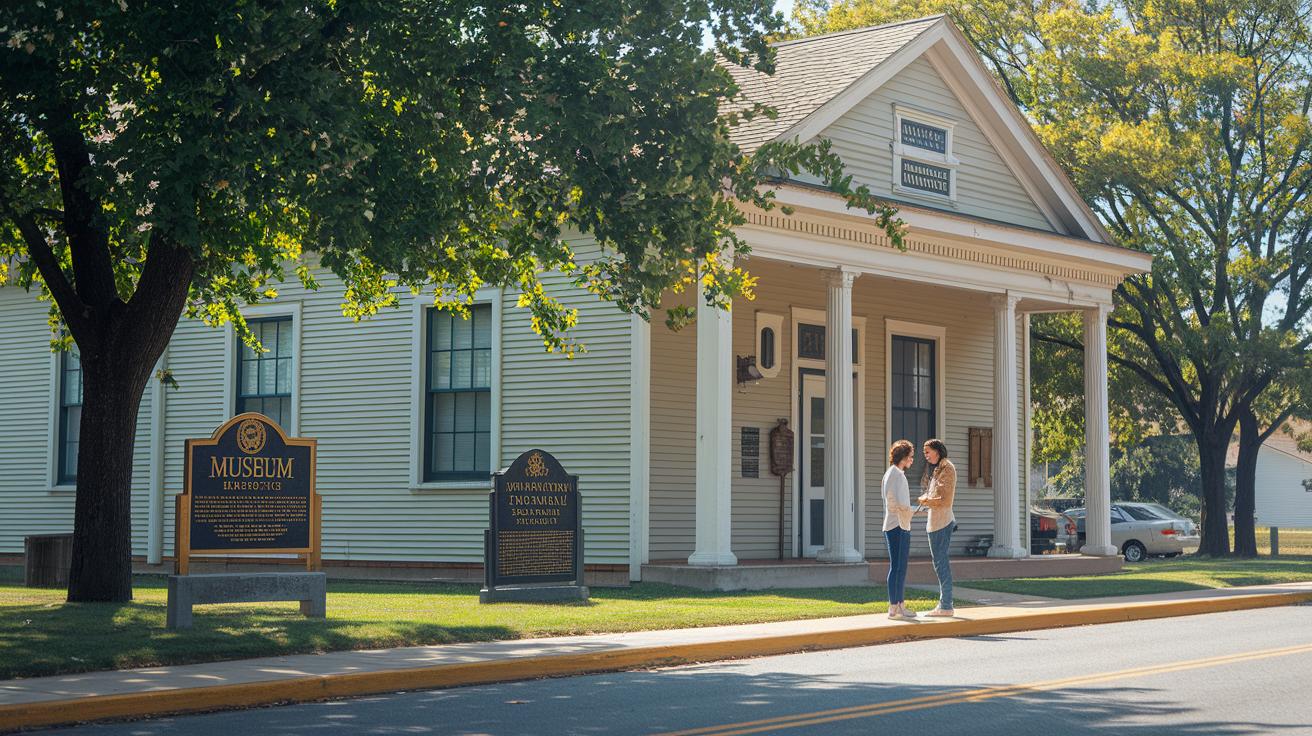
Across America, many communities care for historical sites beyond well-known national parks. Local museums, refurbished buildings, and community markers keep old stories alive. Families share memories of places that once served as meeting spots, schools, and small theaters.
Travel bloggers and local forums spark conversations about these landmarks. People post old photographs, family ties, and cherished anecdotes that deepen our understanding of local history. Their shared memories turn these sites into living memorials.
Local volunteer groups, fundraisers, and digital archives play a big role in keeping these sites thriving. Community projects gather records, artifacts, and oral histories to capture regional traditions. Every preserved building and well-kept marker shows how residents honor the rich legacy of their neighborhoods for future generations.
Architectural Landmarks: Integrated History and Design
Mount Rushmore, Independence Hall, and the White House now tell a deeper story by blending history with design. Mount Rushmore’s granite carvings feature four presidents whose faces are carefully placed to mirror the nation’s shifting ideals. Every detail was planned with precision to create a balanced look that speaks to the country’s evolving values.
Independence Hall, known for its classic Georgian brickwork, now draws attention for its neat proportions and clear symmetry. This focus on order highlights Colonial design ideas and shows how modern governance grew from a strong, structured foundation.
The White House, with its grand porticos and neoclassical style, reflects both historical significance and changing tastes in architecture. Its detailed design not only marks shifts in style over time but also emphasizes the lasting values of American leadership.
Final Words
In the action, this article swept through iconic american historical landmarks and their stories that shaped our nation. We visited sites where founding documents were forged, battlefields that united people, and monuments of hope. Each location, from Independence Hall to Mount Rushmore, brings its own tale of design, duty, and community preservation.
Local efforts continue to honor these narratives, ensuring that each piece of history remains alive. Enjoy these stories and let them inspire a deeper appreciation for America’s rich past.
FAQ
What are the top historical landmarks in the United States?
The top U.S. historical landmarks include Independence Hall, the Statue of Liberty, Mount Rushmore, Gettysburg National Military Park, Alcatraz Island, and The White House, with each marking key moments in American history.
What stories do American historical landmarks tell?
American historical landmarks tell stories of revolution, civil conflict, and freedom. They highlight debates that shaped democracy, pivotal battles that forged unity, and symbols that inspire national pride.
Where can I find maps or pictures of American historical landmarks?
Maps and pictures of U.S. historical landmarks are available via trusted travel websites and historical archives. These resources offer visual guides that explain both location details and landmark narratives.
What are some ideal historical vacations in the USA?
Ideal historical vacations in the U.S. include tours of Philadelphia’s Independence Hall, Gettysburg battlefield, and iconic sites like the Statue of Liberty and Mount Rushmore, offering visitors a close look at America’s past.