
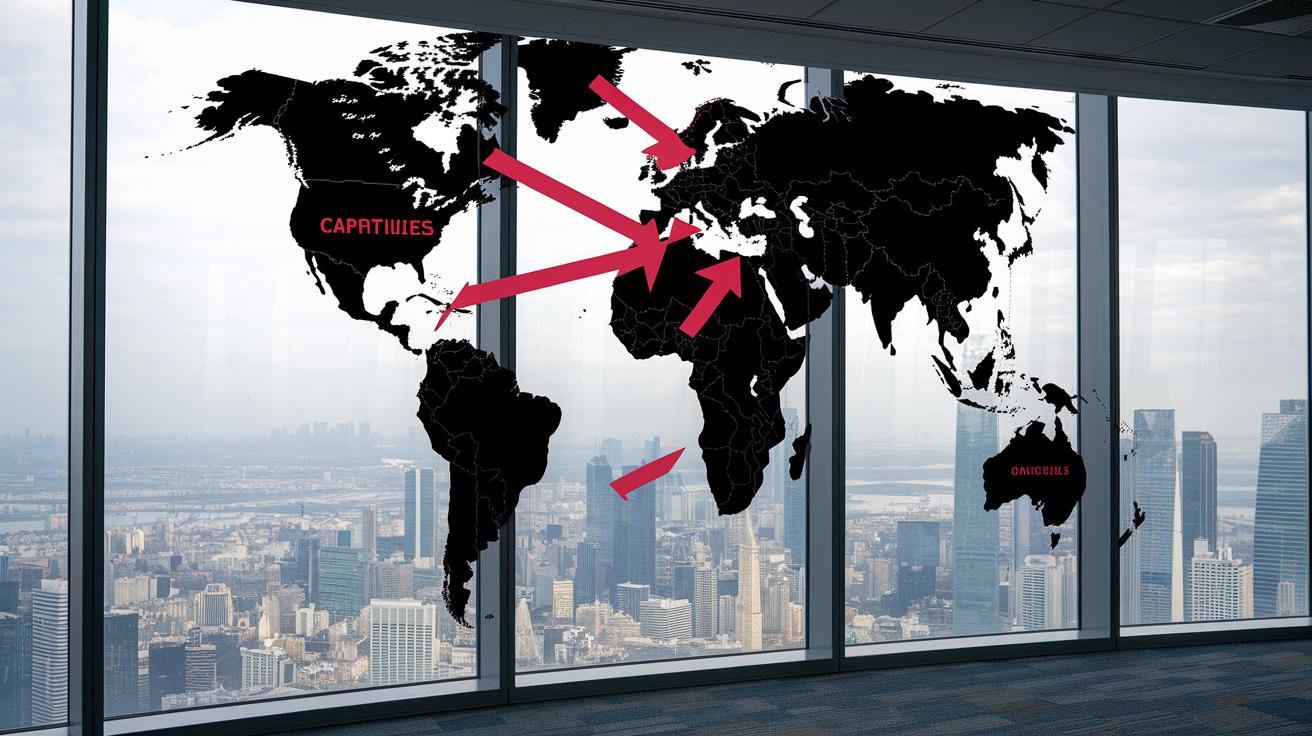

Is a new global power struggle unfolding? The US, China, and Russia are shifting their strategies to boost influence. Every move affects economies, trade, and national defense. Nations are updating their armed forces, securing key trade routes, and changing global rules. This post explains how these moves are driving policy shifts and why the contest for power matters now more than ever.
Defining Great Power Competition in the Modern Era
Great power competition refers to the sharp contest among leading countries such as the United States, China, and Russia. These nations change their diplomatic, economic, and defense plans to boost their influence and safeguard their interests. This struggle affects more than just war, it shapes trade rules, global safety measures, and everyday business practices.
This rivalry molds policies in many sectors. For example, countries are now sharpening their focus on shipping safety and risk control by updating plans to monitor trade routes and secure vital systems. These changes touch supply chains, sea laws, and even how international groups work together.
Here are five key areas of focus:
• Economic influence
• Military modernization
• Diplomatic maneuvering
• Technological race
• Multilateral institution control
These points mark the main battle lines. Economic choices ripple through trade and investment, while new military technology changes how nations protect themselves. Diplomatic moves reshape alliances and adjust roles in international groups. And advances in technology bring fresh challenges and new types of conflict. Each piece plays an important role as nations adapt their policies to face emerging threats and a shifting balance of power around the world.
The Historical Evolution of Great Power Competition: From Cold War to Contemporary Rivalries
In the 19th century, European nations scrambled to gain power. They shifted alliances and adjusted military plans to protect their interests and trade routes. This early tug-of-war set the stage for rivalries we still see today.
During the Cold War, the world split into two main camps. Each side built its own military and economic system to outdo the other. This fierce competition laid the groundwork for today's global power struggles.
After the Cold War, the U.S. began to lose its strong hold as power spread out across more nations. Rising powers, especially China, started taking on key roles in global organizations like the United Nations. By placing their people in important positions, these countries have shaped new rules and cut into traditional Western influence.
Looking back, the shift from clear enemy blocs to a mix of rising powers shows how global influence has changed. Today, the world is more complex and competitive, with power centers competing in new ways.
National Defense Strategies of Major Powers in Great Power Competition
Countries are rethinking their military plans to hold on to global influence. Each superpower is shaping its strategy based on its own priorities, using different tactics and resource moves.
United States
The U.S. National Defense Strategy from 2022 focuses on challenges coming from China and Russia. This plan shifts funds and cuts major surface naval deployments by 20-30 percent, especially in the Indo-Pacific. It also ramps up research in areas like artificial intelligence (the computer programs that mimic human thinking), climate, and energy, all to modernize defenses and stay flexible.
China
China is putting its weight into strengthening the People’s Liberation Army to block enemy forces from entering key areas. The country invests heavily in advanced missile systems and modern ships to control important maritime regions. This strategy aims to set up safe zones that keep outside interference at bay.
Russia
Russia uses a blend of old and new tactics. It mixes traditional military force with cyber operations (attacks using computers) and information warfare to unsettle opponents. At the same time, Russia relies on strong nuclear deterrence, promising a layered defense if provoked.
Each of these plans shows how nations adjust their defense moves amid global power struggles. The U.S. leans into technology and flexibility, China focuses on controlling nearby seas, and Russia plays a hybrid game. Together, these varied strategies create a complex global security scene that calls for smart and quick reactions.
Naval and Maritime Strategies in the Geopolitical Contest
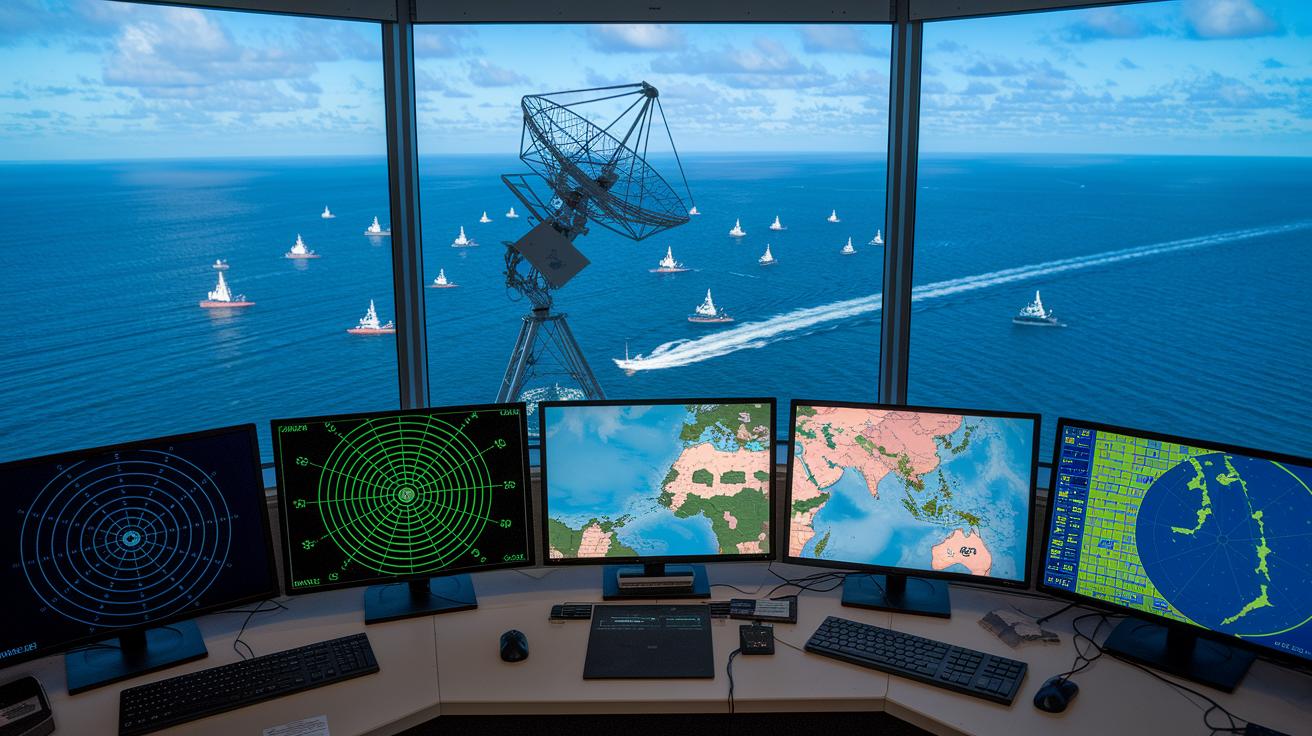
Controlling the seas is key to keeping the world stable. Top nations are updating their strategies to protect important shipping routes so trade and military actions can go on without interruption. This control not only keeps economies strong but also wards off potential threats.
Clear insights into the ocean now play a central role in national security. Countries are investing in modern tracking systems and AI tools (software that spots unusual patterns) to watch over valuable assets such as undersea cables, offshore platforms, and territorial waters. High-tech sensors and satellites allow officials to monitor ship movements and environmental changes in real time. Continuous data gathering means threats are spotted faster, leading to quick and coordinated responses that prevent crises and maintain steady operations.
| Strategy Element | Focus Area | Strategic Impact |
|---|---|---|
| Fleet modernization | Naval capabilities | Strengthens power projection |
| Surveillance upgrades | Critical infrastructure | Enhances threat detection |
| AI anomaly detection | Maritime security | Accelerates crisis response |
These combined methods help manage crises at sea by providing a clear picture of the situation and enabling quick, joint actions. Faster threat spotting and streamlined decisions mean forces can handle problems efficiently, keeping waters stable even in contested zones. This shift marks a bold new phase in global military competition.
Economic and Resource Competition Driving Great Power Rivalry
Big nations use sanctions that force companies to follow tricky rules. Even when a vessel seems clear on paper, it can still be tied to banned companies through practices like flag hopping and fake origin documents. These gaps in rules add uncertainty and risk to global deals.
Key trade routes like the Panama Canal, Strait of Malacca, and Suez Canal can easily face disruptions. When these routes get unstable, shipping fees can jump by around 15%. This increase pushes businesses to update risk plans and makes governments watch trade flows more closely.
| Sector | Primary Risk | Economic Impact |
|---|---|---|
| Shipping | Chokepoint disruptions | Up to 15% cost increase |
| Energy | Infrastructure security | Risk to underwater pipelines |
| Minerals | Supply chain interruptions | Market volatility |
Governments are rethinking how they manage resources to gain economic strength. They are putting money into protecting key infrastructure and tweaking trade rules to lessen risks from sanctions and travel issues. Meanwhile, private companies are looking for new supply routes and exploring alternative energy choices. This strategy helps keep global trade steady and strengthens national security in a fast-changing world.
Technology, Intelligence, and Cyber Tools in Strategic Power Struggles
Governments and private companies are pouring funds into breakthrough tech. They are using AI platforms and automated target tools to guide defense plans. These systems help spot unusual sea activity and shape key decisions. This trend shows technology is changing how global security works.
- AI in targeting
- Secure communications
- Unmanned systems
- Electronic warfare
- Big-data analytics
Cyber defense now plays a key role in national security. Nations are running both attack and defense cyber operations to counter digital threats. They are boosting secure military communications and advanced signal intelligence (gathering critical data from communications) to stay ahead of cyber risks. These steps not only strengthen defenses but also discourage potential attackers. As new tech challenges old security methods, this combined strategy keeps countries agile and stable.
Alliances, Diplomacy, and Multilateral Institutions in the Global Power Contest
Global power is shifting as nations change how they use international groups. U.S. leadership in places like NATO and the UN now faces challenges from countries eager to play a bigger role. For example, China assigns representatives to important multilateral bodies so it can influence rules and policies that support its interests and extend its reach in the Global South.
Countries are rethinking old alliances, too. Traditional Western influence is under review as new partners push to make their own priorities heard in global groups. This change forces governments to update their diplomatic messages and balance different goals in a fiercely competitive world.
Debates over forming and strengthening alliances are heating up in the Indo-Pacific and transatlantic areas. In the Indo-Pacific, regional players are discussing joint moves on security and trade, while in Europe and North America, allies are reexamining defense promises and how they share resources. Both regions are fine-tuning their strategies to safeguard economic routes and secure key advantages amid a shifting balance of power.
Experts say that countries must conduct thorough strategic reviews, boost diplomatic training, and build stronger ties with key UN members. They believe these steps are crucial to regaining influence and keeping alliances strong in today’s complex global environment.
Emerging Trends and Future Trajectories of Great Power Competition

Countries now face challenges that go beyond old battlegrounds. They are competing in space, with AI (computers that learn and act on their own), and in the cyber world. Governments and businesses alike must adapt as alliances shift and new rules come into play with fast technology changes. Nations are investing more in space and AI, which means they need to rethink how they innovate and defend themselves across many areas.
This matters because keeping a lead now means staying ready for sudden crises and shifts around the world. To prepare, experts say governments should focus on:
- Adaptive strategic planning
- More research and development in key technologies
- Strengthening alliance networks
- Building solid, clear regulations
These actions help countries get ready for space rivalry and digital threats. By mixing smart technology investments with strong diplomatic and legal moves, nations can navigate future challenges. The changing global scene shows that policymakers, industry leaders, and security experts must work together to stay competitive.
Final Words
In the action, we explored how economic, military, and technological strategies influence global dynamics. We broke down key areas like naval tactics, cyber operations, and alliance shifts to show how these elements shape today’s political landscape.
This analysis paints a clear picture of how past trends and current policies feed into great power competition. Integrated strategies are at work, driving the evolution of policies across the board. The future holds promise as states refine their approaches and work toward smoother global ties.
FAQ
Great power competition wikipedia
The great power competition wikipedia entry outlines the intense rivalry among major nations, detailing how states like the United States, China, and Russia compete for global influence.
Great power competition russia
The great power competition russia discussion highlights how Russia employs military and political strategies to assert its influence amid global power struggles.
Great Power Competition Air Force
The great power competition Air Force focuses on how the U.S. Air Force is adjusting its capabilities to address evolving threats and rival challenges in the global arena.
Great power competition book
The great power competition book examines the history and dynamics of international rivalry, offering insights into the strategies used by dominant nations in their quest for power.
Great power competition 2025
The great power competition 2025 outlook projects intensifying rivalries as nations invest in emerging technologies, adjust military strategies, and shift economic policies to secure global dominance.
Great power competition 2024
The great power competition 2024 review focuses on recent shifts in defense policies and strategic planning by major states, reflecting the continuous realignment in global power structures.
Great power competition 2022
The great power competition 2022 analysis highlights key strategic moves and policy shifts made by leading nations during that year, underscoring the evolving nature of global competition.
Great power competition PDF
The great power competition PDF is typically a downloadable document that provides detailed analysis, historical context, and policy recommendations regarding the ongoing contest for global influence.
What was the great power competition? / What is the GPC great power competition?
The great power competition refers to the longstanding contest where dominant nations vie over economic, military, and diplomatic influence, shaping global systems and policy directions.
What are some historical examples of great power competition?
The historical examples of great power competition include Cold War standoffs, 19th-century European rivalries, and modern disputes among leading nations that continue to shape global affairs.
What are the 5 great powers?
The five great powers commonly refer to nations such as the United States, China, Russia, the United Kingdom, and France, which have historically exerted significant influence on global affairs.