


Old traditions can guide us toward a brighter future. Native customs, colonial meals, and classic music all play a part in the celebrations we enjoy today. Each piece of our past builds a mix of values that carries hope forward. As fresh traditions join familiar ones, a spirit of progress and unity grows stronger. This article explores how American traditions have changed and why that evolution inspires optimism.
How American Traditions and Values Have Transformed Over Time
American traditions began with indigenous peoples and grew as European settlers, African heritage, and immigrants added their own touches. Colonial customs came together with Native American ways, creating unique practices. Early national holidays like Independence Day appeared as new events blended freedom with a growing, changing society. Even the early church customs based on Pilgrim and Puritan ways gave way to a more diverse public life as the nation expanded.
Festivals, food, and music show this mix clearly. Today, holidays like Veterans Day, Juneteenth, and Mardi Gras stand for unity and diversity. Music started with African spirituals and blues and later evolved into jazz, rock, and hip-hop, lighting up cultural celebrations. Similarly, American food blends local ingredients like corn with flavors brought by immigrants, from Southern barbecue to New England clam chowder, showing how traditions adapt over time.
These shifts reflect a continual rethinking of American values. As the country embraced many cultures, its core ideas changed to celebrate differences. New celebrations and creative expressions show a common desire to reshape national identity. What began as a mix of colonial and indigenous values has grown into a vibrant mosaic that now champions freedom, unity, and innovation every day.
A Timeline of American Value and Tradition Evolution
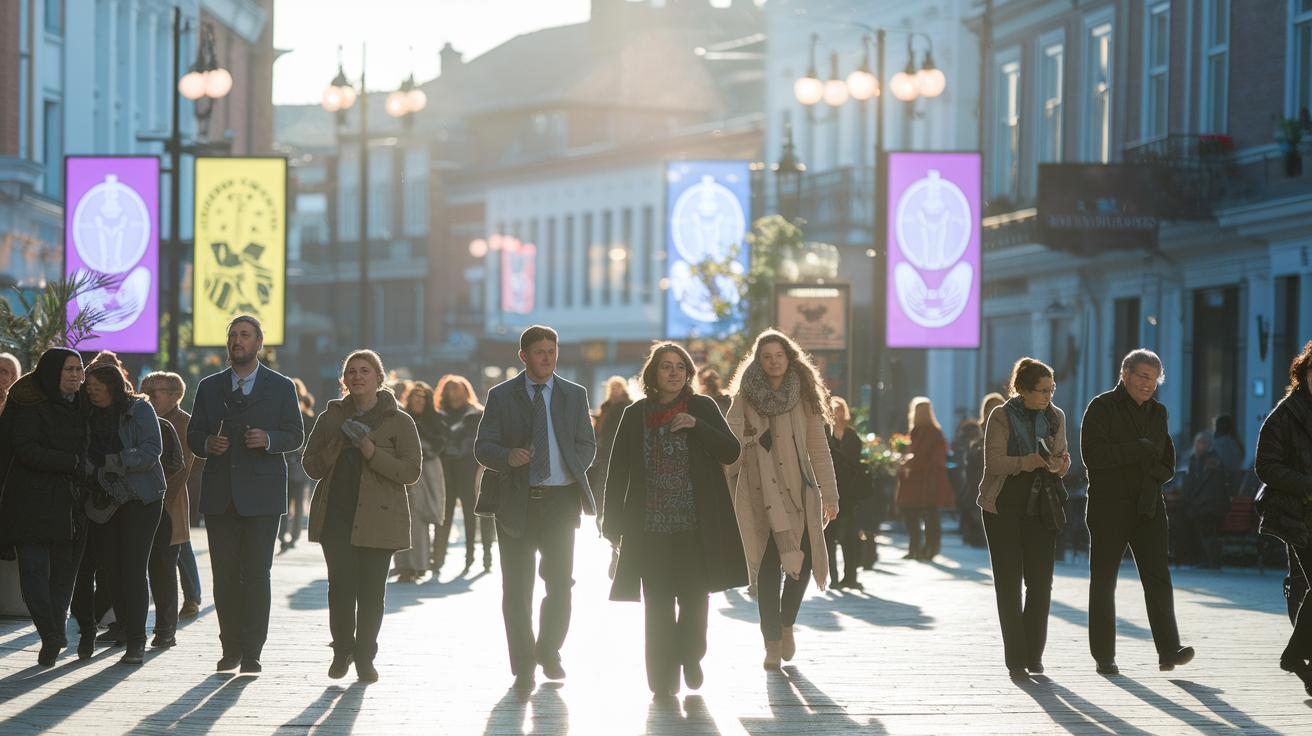
American traditions have changed a lot over the years. Early on, Native American customs met European colonial practices. Today, digital influences mix with multicultural celebrations. Each shift shows a strong focus on community and shared life.
| Era | Key Traditions | Core Values | Influential Events | Cultural Impact |
|---|---|---|---|---|
| 1600–1776 | Native customs and colonial religious practices | Community unity and early faith | First colonial meetings | A mix of Native and European ways |
| 1776–1800 | Revolutionary rituals and early public ceremonies | Freedom and active citizenship | Declaration of Independence and battles | Birth of national holidays |
| 1800–1900 | Pioneer traditions and small group gatherings | Individual spirit and self-reliance | Westward expansion and literary trends | Legendary frontier stories |
| 1900–2000 | Immigrant influences and civil rights celebrations | Inclusiveness and fairness | Civil rights movements and world conflicts | New forms of patriotism |
| 2000–Present | Online festivals and varied community rituals | Inclusion and creativity | Juneteenth and digital activism | Modern community values |
This timeline makes it clear that change and continuity go hand in hand. Each era builds on the last while also meeting new challenges. The strong national identity comes from shared experiences and traditions that are adapted over time.
Cultural Influences Shaping the Evolution of American Traditions
Immigration has always played a big role in shaping American customs. People from all over the world brought their own celebrations, rituals, and food traditions that enriched the nation’s cultural mix. These newcomers did more than settle; they added practices that sparked fresh ways to celebrate and helped create a shared sense of belonging. Today, immigration keeps this cultural conversation lively by welcoming differences and building on common experiences.
- Irish immigrants in the 1800s brought St. Patrick’s Day parades and Catholic traditions.
- German settlers introduced Christmas trees and Oktoberfest celebrations.
- Chinese railroad workers helped shape Lunar New Year festivities and new regional dishes.
- Mexican migrants gave us tacos and Día de los Muertos observances.
- Later arrivals from Europe, the Caribbean, and Asia added new languages, religions, and community traditions.
Each of these contributions has stitched together a strong national identity. The blend of distinct cultural practices with broader American ideals shows how diversity can spark innovation and hope. By celebrating a mix of traditions, America stays connected to a global heritage while looking ahead to an ever-evolving future.
Political and Legal Shifts Impacting American Values Evolution
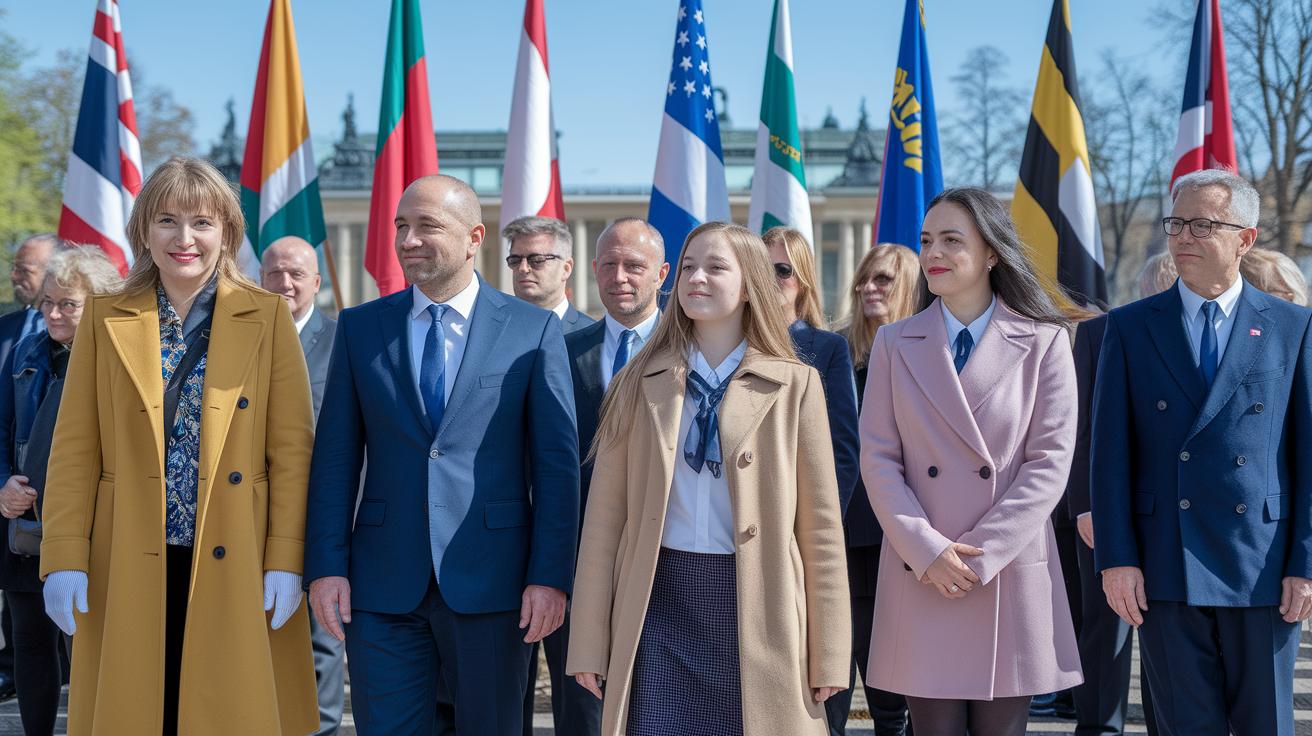
When the U.S. Constitution was approved in 1789, it started reshaping American traditions. It introduced republican ideas and revamped civic life. Later, the Emancipation Proclamation in 1863 and the 13th to 15th Amendments ended slavery and expanded rights for more people. These legal changes also altered public events and national ceremonies, helping to build a society that values freedom, equality, and active citizenship.
In later years, actions like the Civil Rights Act of 1964 and the 26th Amendment in 1971 pushed American beliefs toward equal participation. They made it clear that everyone, regardless of age or background, should have a voice. Today, policy talks, such as the 2022 immigration debates, show that leaders are still rethinking rules to match our changing needs. Major court decisions have also fought discrimination and widened civil rights, influencing how communities celebrate justice and unity.
Constitutional Amendments and Value Evolution
Key amendments have continued to reshape our civic traditions. Laws that ended slavery and secured voting rights turned public ceremonies into celebrations of freedom and inclusion. It’s like a community updating its annual traditions to match its new values.
Landmark Legal Decisions and Social Change
Supreme Court cases like Brown v. Board and Obergefell v. Hodges have redefined rights and changed everyday practices. Their decisions have altered how schools, neighborhoods, and families honor equality and justice.
Regional Variation in the Evolution of American Traditions and Values
Across America, local traditions shift with the unique histories and daily lives of each community. Local practices help people express shared values and keep their heritage alive.
Rural Ritual Variation
In the countryside, community events like county fairs, barn-raising days, and folk festivals are key. These gatherings reflect a practical lifestyle rooted in farming and strong personal ties.
Urban Cultural Narratives
City life buzzes with multicultural street parades, major film festivals like Coachella and Lollapalooza, and lively food markets. Urban celebrations mirror the fast-paced mix of cultures and creative energy found in metropolitan areas.
Suburban Ceremonial Adaptations
Suburban neighborhoods put a local twist on national holidays with block parties and community club events. These gatherings build a friendly atmosphere where established traditions merge with neighborhood spirit, strengthening community bonds.
Together, these regional traditions weave a national story. Whether it's the simplicity of rural customs, the dynamic flair of city life, or the welcoming nature of suburban events, each local practice contributes to the ever-changing American spirit.
Contemporary Shifts in American Traditions and Value Practices

Today, technology is changing the way Americans celebrate old traditions. Online platforms let people join digital tours and interactive parades that are easy to access. These events mix familiar celebrations with modern tech, linking communities even when they’re apart.
New trends in fashion and art are reshaping how we see national identity. Designers blend images from around the world, modern tools, and historical touches to create clothes and art that speak to our everyday lives. Online projects and joint installations show off a fresh way to express culture beyond the standard formats. One designer, for example, might combine retro motifs with augmented reality effects to highlight our shared identity.
Final Words
In the action, history blends with modern civic life to form a clear picture of change. The post traced traditions from indigenous roots to current celebrations, showcasing shifts in music, cuisine, and legal milestones. It revealed how regional practices and digital innovations continue to shape community rituals. This recap ties together decades of change into accessible insights. The evolution of american traditions and values reminds us that shifts in culture create fresh ways to unite communities and celebrate progress.
FAQ
Q: What are examples of American culture and traditions?
A: American culture includes indigenous customs, immigrant heritage ceremonies, national holidays like Independence Day, diverse musical expressions such as jazz and rock, and regional cuisines like Southern barbecue that showcase its rich traditions.
Q: How did American culture evolve?
A: American culture evolved by blending native practices, colonial customs, and immigrant influences. This mix, combined with modern innovations like virtual festivals, continuously reshapes social values and national identity.
Q: What are American values and traditions?
A: American values and traditions emphasize freedom, unity, and community. They are reflected in national celebrations like Veterans Day and Juneteenth, as well as in diverse cultural expressions in music, food, and religious practices.
Q: What are 10 American traditions?
A: Ten American traditions include celebrating Independence Day, Thanksgiving dinners, Veterans Day ceremonies, Mardi Gras parades, St. Patrick’s Day events, Christmas tree displays, county fairs, local food festivals, community volunteering, and virtual heritage tours.
Q: How do traditions evolve over time?
A: Traditions evolve when communities blend historical customs with new influences. Social changes, immigration, and technology shift practices gradually to remain meaningful and engaging for new generations.