
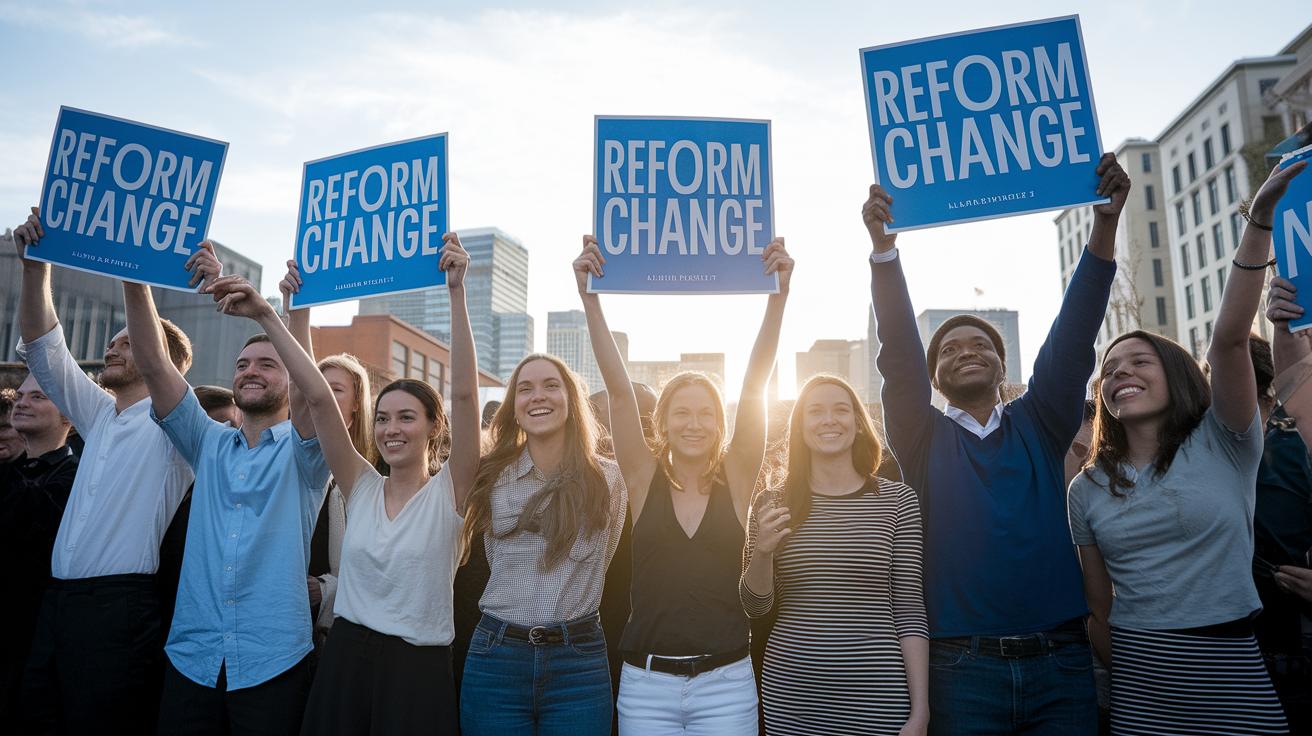

Have you noticed our political choices seem stuck in a cycle? Reforms within political parties are shaking up a system that once welcomed diverse ideas but now leans toward extreme views. New ideas aim to broaden candidate options and invite fresh leadership. The goal is to restore balance to our democracy and give more people a voice. As these changes pick up steam, many are hopeful they can rebuild trust and make our government work better for all.
How Structural and Procedural Political Party Reforms Shape Modern Governance
The U.S. two-party system is split along strict lines. Narrow majorities amplify the voices of extreme groups. In the past, a wider range of views allowed candidates to reach practical compromises. Today, many people are unhappy with this limited approach and want change. Proposals now focus on how parties choose candidates, elect leaders, and update their platforms to keep bad actors in check and bring back balanced decision-making.
Key ideas include open primaries, rewritten national charters, and leadership term limits. Open primaries let every registered voter participate, not just party members. For example, one mid-sized city reported a 15% boost in moderate candidates when all voters were allowed to join. Revised national charters would update internal party rules to be more transparent and fair. Leadership term limits aim to refresh party leadership by ensuring new ideas can emerge instead of the same voices holding power indefinitely.
Together, these changes are designed to boost accountability by expanding the pool of candidates and redistributing power. The shift is away from winning at all costs and toward a system that supports balanced views and effective governance.
Historical Evolution of Political Party Reform Efforts
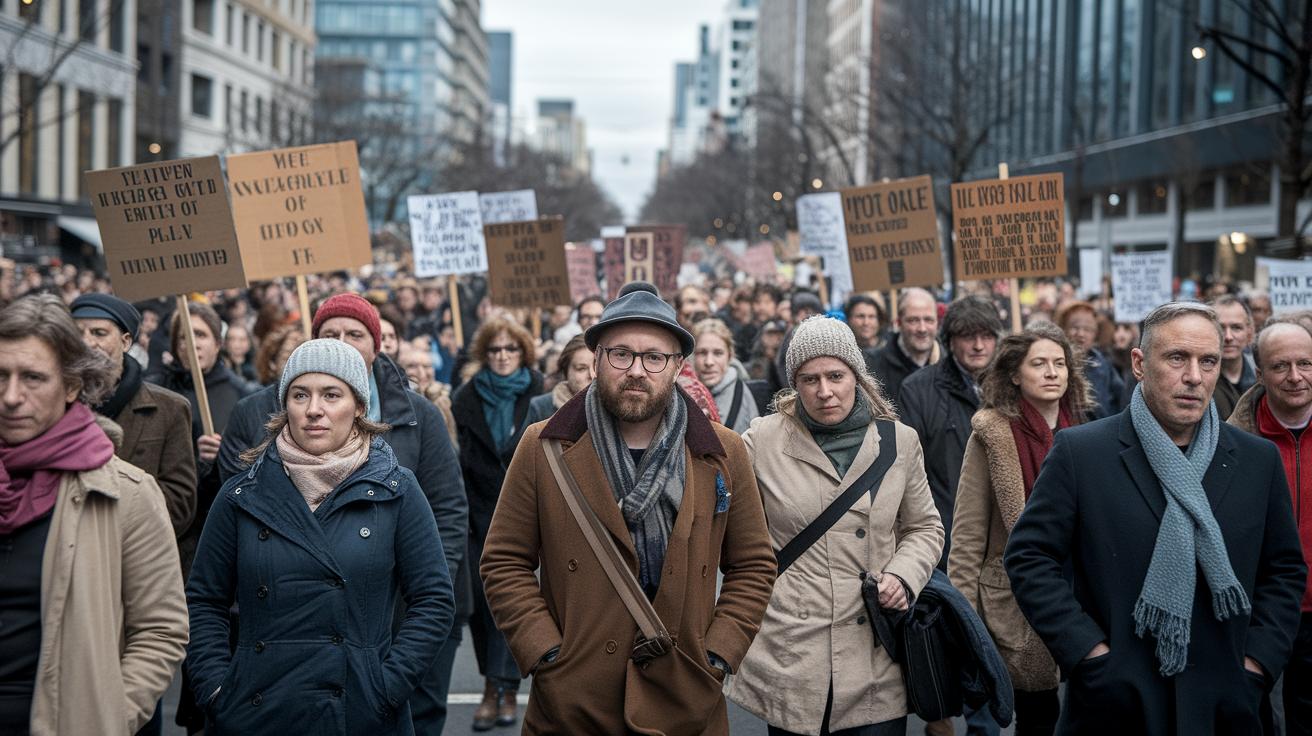
In early U.S. politics, parties brought together people from many different backgrounds who worked on shared goals. Professor Didi Kuo's research highlights a clear shift from broad groups serving many interests to today’s smaller, single-issue organizations. Grassroots movements helped push for changes that allowed more voices in decision-making and reduced the hold of old political machines.
Looking at key periods, we see that ideas about party organization changed a lot over time. During the Progressive Era, reformers filled the streets, demanding an end to old power structures. Their actions launched movements that challenged the established party machines. In the Civil Rights era, new rules for selecting delegates opened up party decisions to more voices and questioned long-standing practices.
Records show that as more voters got involved, party structures changed to stress accountability and healthy internal competition. In short, citizen-led campaigns first sparked these reforms, later shaping state rules. Today, similar ideas push for a party system that better balances different groups and truly reflects the electorate.
Key Policy Reforms and Legislative Impacts on Political Parties
Lawmakers are changing how parties work by making voter registration simpler, offering more ways to vote, and adjusting the rules for picking candidates. They are updating voter laws so that more people can vote early or by mail. In one state, early votes rose by 20% after new procedures were introduced. A state official explained, "Before these changes, many voters faced long waits. Now, the process runs smoother."
At the same time, proposals to change who can run for office aim to have candidates who truly represent a wide range of views. New rules are set to make elections fairer by stopping practices that limit voter choices. Such measures may lead to a group of candidates that reflects the public more accurately.
Campaign finance reforms are also a key focus. Experts have raised questions such as, "Will campaign reform hurt political parties?" New limits on contributions and stricter rules for disclosing donations aim to reduce undue influence. Critics worry that while greater transparency builds trust, tougher rules might make it harder for parties to raise funds for expensive races.
| Reform Area | Key Changes |
|---|---|
| Voter Registration | Modernized processes for easier registration |
| Voting Options | Expanded early and mail-in voting |
| Candidate Eligibility | Tighter guidelines for a fair candidate field |
| Campaign Finance | New limits and stricter disclosure rules |
These changes are shifting how parties plan and connect with voters. Parties are rethinking their tactics to be more accountable and to support a fairer, more representative democratic process.
Intra-Party Governance: Balancing Factions and Grassroots Influence in Political Party Reforms

Party leaders are calling for changes in how decisions are made. They suggest using open-delegate systems, fair delegate counts, and cross-group union platforms. These moves are meant to share power more evenly and reduce extremist influence by letting regular members have a bigger say. Experts believe that updating party rules and revising executive councils will allow different factions to contribute fairly. In one region, opening up the delegate system led to a 25% boost in member participation.
Local committee rules are a key part of these reforms. New guidelines invite members from different backgrounds to share their thoughts on policy. Digital town halls have been set up to bridge the gap between old-fashioned board meetings and modern ways of talking. One committee reported a 30% increase in satisfaction after starting monthly digital town halls.
Participatory budgeting also shows the party’s push for fair decision-making. By allowing members to propose and vote on budget plans for local projects, the process becomes more clear and accountable. Updated rules for delegate allocation make sure no single group can control the conversation. Together, these changes mix long-held traditions with new, effective ways to govern.
Overall, these measures are designed to give members direct control over party policies, making reforms more inclusive and responsive to many voices.
Financial Infrastructure: Campaign Funding and Donation Reforms in Political Party Reforms
Political campaigns are changing how they raise money to make things fairer. Reformers have suggested new donation tiers so that smaller contributions are more evenly spread out. Big donors will face strict limits to reduce the extra influence of lobby groups. By setting fresh caps and reorganizing donation rules, parties aim to create a fairer fundraising system.
New rules will require regular, clear internal audits that check every dollar. These audits help make sure that money follows all established guidelines. One example is introducing fixed donation levels that boost grassroots support while cutting down on large, concentrated gifts.
Other proposals call for strong donor-reporting standards. All major contributions must be fully disclosed to build public trust. Local party officers and finance committees will monitor donations daily and conduct frequent reviews. This plan includes updated donation channels, strict checks, and ongoing oversight to lessen the impact of heavy lobbying in expensive races.
| Reform component | Key element |
|---|---|
| Donation distribution | Tiered caps and clear guidelines |
| Audit mandates | Frequent internal reviews |
| Donor reporting | Transparent disclosure rules |
These changes are designed to level the playing field for all.
Comparative Perspectives: Political Party Reforms Around the World

Across Europe, parties are shifting their methods after the Ukraine war. In one country, reformers turned to digital outreach, hosting online town halls and live polls to keep voters in the loop. One study found digital efforts boosted voter turnout by nearly 30% during early changes.
In Latin America, where polarization runs high, leaders have updated electoral laws and reworked party funding. They’re blending old-style in-person meetings with online voting, which not only brings more people in but also offers direct feedback.
International examples show that building coalitions is key. Many parties now form alliances that cross old ideological lines. Recently, two long-time rivals teamed up, combining resources and digital strategies to cut down extremist influence.
Overall, countries are exploring hybrid models that mix digital and face-to-face interactions. These new approaches help gauge public opinion quickly and show that updating traditional party systems can meet today’s challenges.
Future Directions: Forecasting the Next Wave of Political Party Reforms
Party leaders are looking to move more of their key processes online. Experts say that AI-powered platforms will soon offer real-time, customized member feedback during events. Imagine a tool that collects opinions during a convention and instantly adjusts strategies based on what it hears. This could change how parties understand members' views.
Another change on the way is real-time polling. With constant feedback during meetings and campaigns, leaders could test policies based on data instead of guesses. Think of it like a digital thermometer that quickly shows just how heated discussions are.
We'll also see more hybrid conventions that combine in-person energy with online access. This mix could boost participation by letting delegates join in no matter where they live.
Future reforms may also feature digital primary systems and tech that boosts transparency. Tools that track delegate sentiments in real time might reveal shifts in support and new power zones. Regular updates to party rules, based on clear data, could pave the way for ongoing improvements in governance and public involvement.
Final Words
In the action, this post explored how key changes in party rules, candidate selection, and funding can reshape governance. It walked through historical shifts, legislative impacts, and internal measures that aim to restore balance. We reviewed both domestic adaptations and global comparisons to gauge effective paths forward. Political party reforms offer avenues to strengthen accountability and broaden participation. With smart steps ahead, the future looks promising for modernizing our political system.
FAQ
What is the Reform Party in the UK?
The Reform Party in the UK refers to groups that support changes in political structures, aiming to improve governance rather than align with traditional mainstream party politics.
What are the core beliefs of the Reform Party?
The Reform Party believes in modernizing political processes through reforms like better candidate selection and stricter campaign finance rules, aiming to reduce extremist influence.
How does the Reform Party address domestic issues?
The Reform Party tackles domestic issues by pushing for internal governance changes and campaign finance reforms to ensure more balanced decisions that reflect grassroots interests.
What is the connection between the Reform Party and Trump in the U.S.?
The Reform Party in the U.S. has been linked to discussions around political figures like Trump, but it primarily focuses on structural changes rather than partisan alliances.
What defines the Reform Party USA?
The Reform Party USA is known for advocating political system overhauls that boost accountability and representation, distancing itself from traditional left-right party divisions.
Is the Reform Party considered liberal or conservative?
The Reform Party does not fit neatly into liberal or conservative boxes; it focuses on institutional changes that cross traditional party lines to foster balanced governance.
Who are the presidential candidates from the Reform Party?
Presidential candidates from the Reform Party are chosen for their commitment to overhauling political structures, combining progressive ideas with practical policymaking to reform traditional party dynamics.
Is the Reform Party still active?
The Reform Party remains active, continuing to advocate for political reforms, though its influence and membership have varied over the years.