
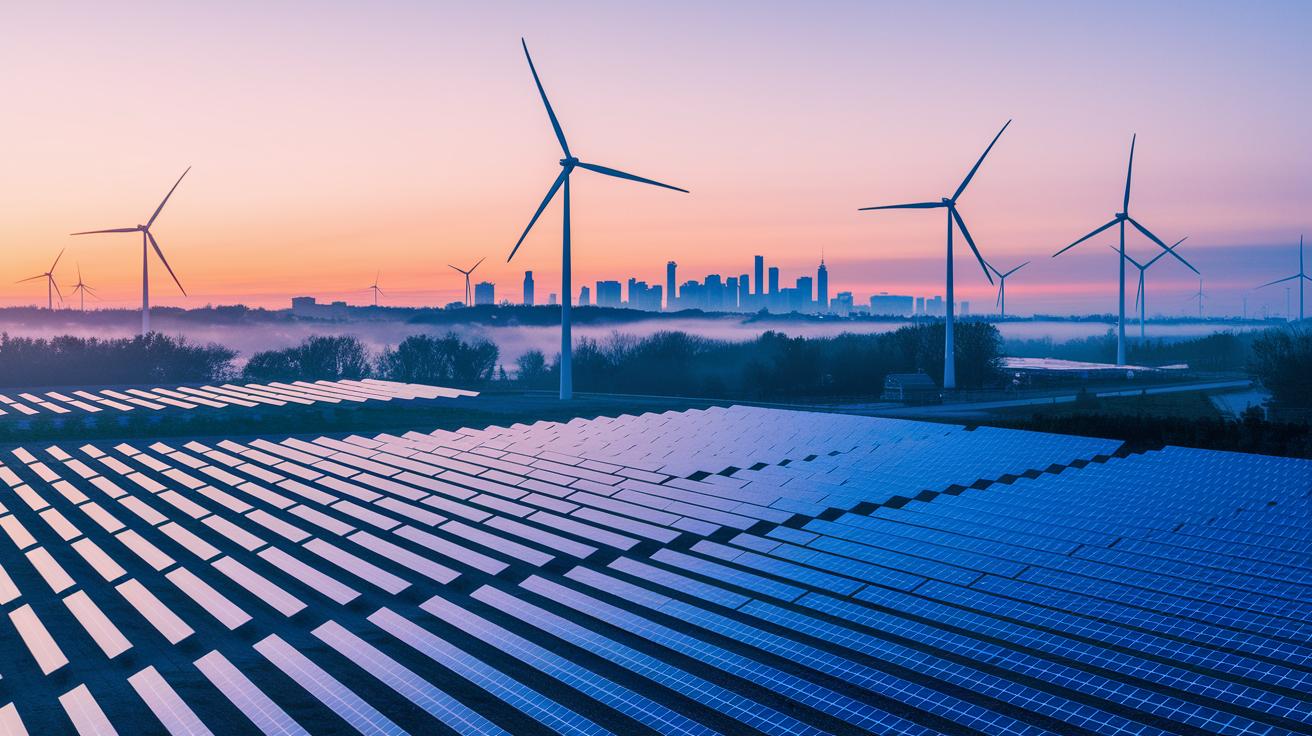

Imagine if our energy sources could evolve as quickly as our phones update. Today’s renewable energy breakthroughs are pushing the limits of solar cells, hydrogen power, and smart batteries.
Renewables now produce more than 30% of the world’s electricity. For example, solar cells improved from 3% efficiency in 2009 to over 25% efficiency today.
New materials and digital monitoring are helping build power systems that are both stronger and more efficient. This progress means cleaner energy for our homes, businesses, and communities.
In this update, we break down the tech that is shaping a brighter future for energy and the planet.
Key Breakthroughs in Renewable Energy Technology Transforming Power Generation
Global energy markets are changing fast as renewable sources now supply more than 30% of the world's electricity. Experts project that renewables will overtake coal in less than two years, sparking strong interest from investors and policymakers alike.
New advances in material science (the study of materials and their properties) and digital monitoring are driving these clean power breakthroughs. These innovations are creating power systems that are not only more resilient but also more efficient by merging next-generation alternative energy with advanced green power technology.
- Perovskite solar cells have jumped from 3% efficiency in 2009 to over 25% today, with tandem perovskite-silicon designs reaching 26.81% as of November 2023.
- Green hydrogen, made by splitting water using electrolysis, is becoming a zero-carbon fuel option for heavy industry and long-term energy storage while lowering industrial emissions.
- New storage options like solid-state, flow, and thermal batteries deliver higher energy density, longer cycle life, and improved safety compared to traditional lithium-ion batteries.
- Bifacial solar panels capture sunlight on both sides, increasing power output by up to 30% and offering big gains in areas with reflective surfaces.
- AI and digital twin technologies help predict energy demand and fine-tune grid operations, reducing costs and boosting system reliability.
These breakthroughs work together to change how we generate power. Better solar cells increase solar use while advanced batteries keep energy available during low-production times. Green hydrogen meets the steady power needs of heavy industries, and AI-powered grid management coordinates all these resources. Together, these developments mark a big step toward building sustainable, smart, and reliable energy systems.
Solar Innovations: Photovoltaic Cell Progress and Efficiency Enhancements
Perovskite and Tandem Cell Designs
Modern solar panels used to work at around a 10% efficiency rate. Now, researchers use a new perovskite material layered over silicon to boost performance. In November 2023, these tandem designs hit 26.81% efficiency. Their compact form could also lower manufacturing costs, like adding an extra blanket to keep you warmer on a cold night.
Bifacial Solar Panels
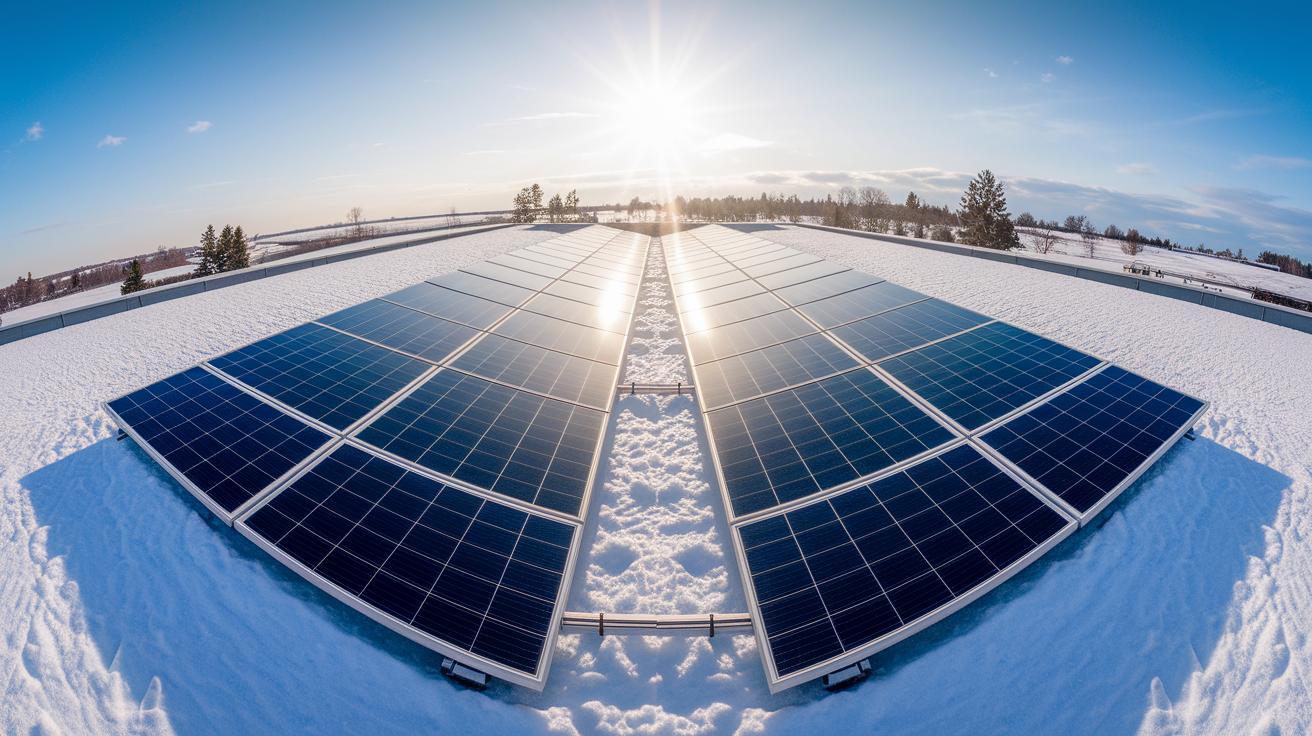
Bifacial panels are built to catch sunlight on both the front and back. In places with reflective surfaces such as snow or water, they can produce up to 30% more energy. This design not only ramps up power output but also adapts better to changing conditions. Picture a solar panel on a snowy roof, soaking up extra light from the snow’s reflection.
Flexible and Lightweight Photovoltaics
Advances in organic and ultra-thin silicon technology have given us panels that are both flexible and lightweight. These innovations open up possibilities for installing panels on curved surfaces, portable devices, or other difficult-to-cover areas. Imagine a rollable solar fabric that easily fits any shape, making clean energy more accessible everywhere.
Transparent Solar Panels
Transparent solar panels combine energy production with everyday architecture using materials like luminescent concentrators or semi-transparent perovskite layers. This technology lets windows, facades, and skylights generate power without dimming natural light. Picture a modern high-rise where the glass not only offers great views but also works to power the building.
Wind Tech Breakthroughs: Rotor Design Advancements and Capacity Optimizations
New floating platforms let wind turbines move offshore where traditional supports won’t work. They work in waters deeper than 1,000 m, opening up spots that were once off limits. This flexible design brings wind energy to new areas and boosts overall output.
Changes in blade design help turbines capture more energy even in light winds. By adjusting the blade length and shape, performance can jump by 5–10%. Better materials and smarter design techniques mean turbines produce more energy, even when the wind isn’t strong.
Digital modeling and AI tools are changing how turbines are set up. These systems check key factors like rotor shape and hub placement to make sure each turbine runs its best. Advanced algorithms test different wind scenarios and tweak settings for top performance, marking a big step forward in wind energy capacity.
Storage Revolution: Cutting-Edge Battery, Solid-State, and Flow Technologies
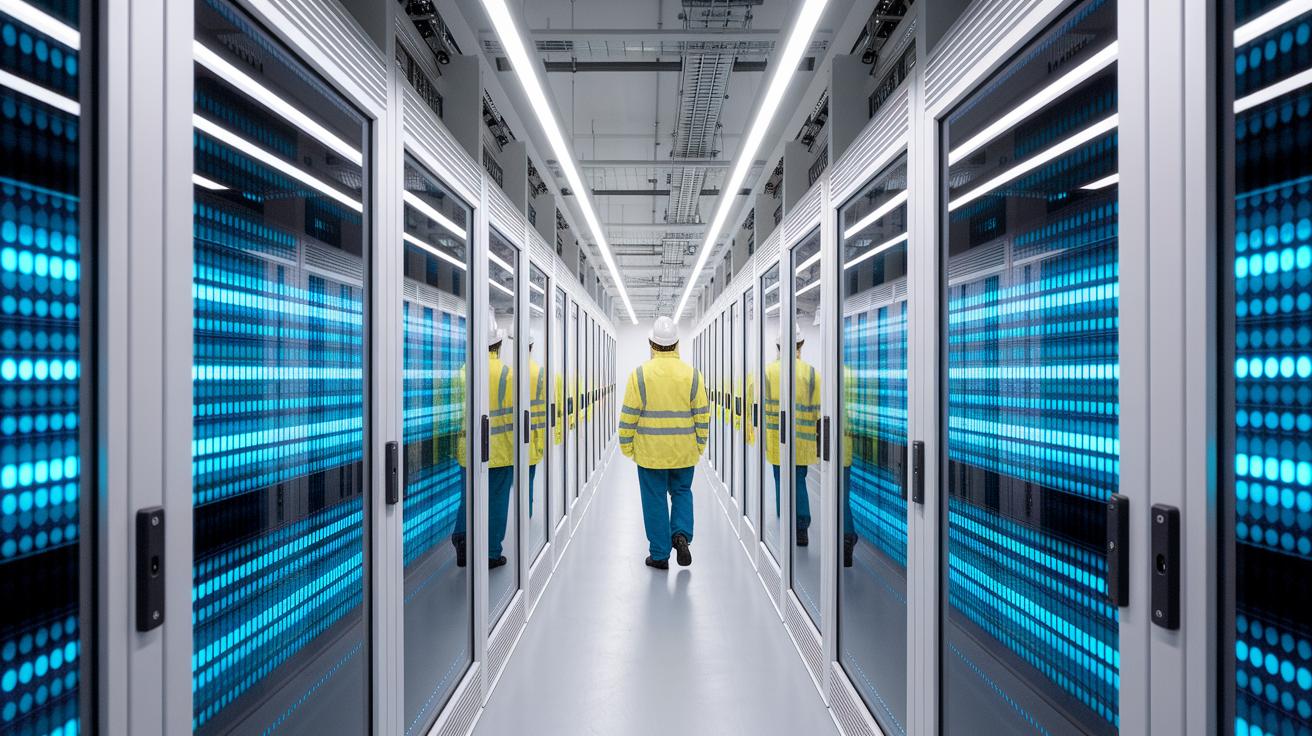
Storage systems capture extra energy when demand is low and release it when more power is needed. New storage technologies include solid-state batteries, flow batteries, and Lithium Iron Phosphate (LFP) Battery Energy Storage Systems (BESS).
| Technology | Energy Density (Wh/kg) | Lifecycle (cycles) | Key Advantage |
|---|---|---|---|
| Solid-State Battery | 250-350 | 2000-5000 | Enhanced safety and compact design |
| Flow Battery | 80-150 | >10,000 | Extended cycle life with scalable capacity |
| LFP BESS | 90-160 | 10,000+ | Superior thermal stability and longevity |
Early tests show a solid-state battery prototype cuts charging time by 15% compared to current models, a benefit for portable electronics. Flow batteries have proven efficient during long discharge periods, while pilot LFP BESS projects maintain steady output even with changing grid conditions. Experts expect further cost reductions and improved energy density as production scales up.
The choice of storage solution depends on both technology maturity and its intended use. Field tests continue to refine these systems, promising faster response times and more dependable grid support.
Smart Integration: Grid Modernization, Digital Twin, and Predictive Load Management
Today's energy networks are upgrading to smarter grids that deliver power more reliably. These systems use live data feeds and dynamic pricing to balance renewable energy sources. They monitor changes in real time and automatically adjust supply, making energy delivery smooth and efficient.
Artificial intelligence and digital twin platforms (virtual models of physical systems) are also transforming grid management. They provide real-time forecasts of energy demand, lowering costs and boosting performance. By comparing simulated data with what really happens, these tools catch issues early before they grow serious. IoT sensor networks gather data quickly, enabling fast, automated decisions to reconfigure the grid as needed.
Predictive load management shows up in systems that switch loads automatically and detect issues before they cause problems. For example, if sensors spot a sudden drop in demand or a small anomaly, the system adjusts load distribution to prevent outages or overloads. This approach smooths the integration of renewables and helps build a more responsive and robust power network.
Beyond Solar and Wind: Green Hydrogen, Marine, Geothermal, and Biomass Advances
Green Hydrogen Innovations
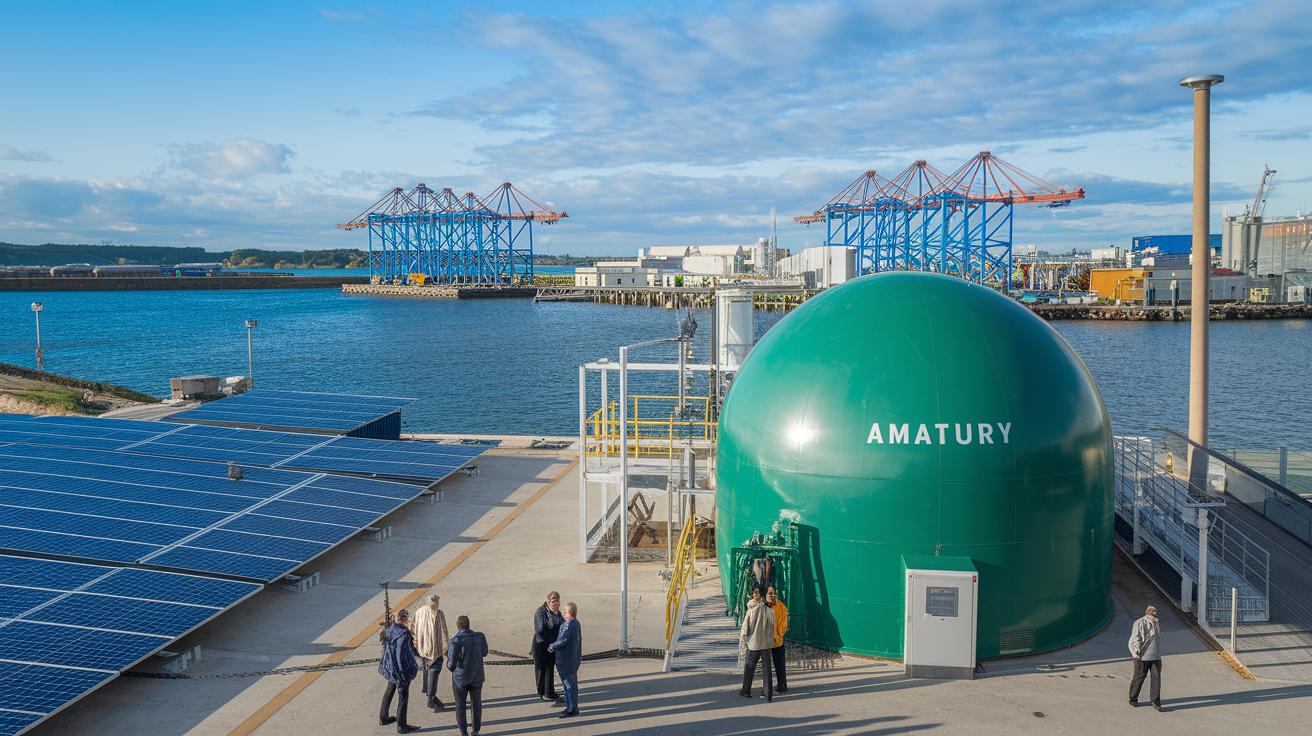
Green hydrogen is a zero-carbon fuel made when renewable energy powers electrolysis. This clean fuel helps industries like steel, chemicals, and shipping cut emissions. New improvements speed up the process and lower costs. Companies are starting to use hydrogen for off-grid energy fixes, making systems more reliable. Think of a factory swapping traditional fuels for green hydrogen, a simple change that lowers carbon output and supports a more sustainable economy.
Marine Energy Technologies
Pilot projects for tidal turbines and wave converters are moving from early testing to pre-commercial trials. These devices capture energy from tides and waves where other methods fall short. Early tests show good efficiency, though rough seas and changing tides still pose challenges. This approach is a win for coastal areas and frees up land for other uses. Picture tidal turbines spinning quietly under the waves, steadily adding clean power to the grid.
Geothermal and Biomass Developments
Geothermal plants continue to deliver steady power while also helping with water management and flood control. New techniques in extracting heat and using exchangers have boosted both energy output and system durability. Meanwhile, breakthroughs in biomass technology turn organic waste into carbon-neutral power with fewer emissions. These advances not only support a cleaner environment but also provide off-grid solutions for remote communities. Together, geothermal and biomass innovations show a solid, all-around plan for renewable energy that promotes community growth and environmental care.
Market Dynamics and Future Outlook: Investment, Policy, and Growth Projections in Renewable Energy Tech Breakthroughs
In 2024, renewable sources supplied 30% of the world’s electricity. Experts expect renewables to pass coal by 2026. In the U.S. in 2020, solar power provided about 3% of electricity, with roughly one in every 2,400 homes adding panels yearly. These numbers show a shift toward cleaner power.
Venture capital and corporate funds are fueling new green tech. For example, Tesla installed more than 400,000 solar panels last year. This surge in funding indicates that businesses and investors are committed to cleaner, more affordable energy.
Government policies and net-zero goals are pushing renewable technologies ahead. Carbon-cutting rewards and firm emissions targets are speeding up research and shaping the market. With new energy policies in place, there’s a clear path to boost advanced solutions and reduce carbon footprints across power grids.
Final Words
In the action, this post recapped key advancements across renewable energy tech breakthroughs. It covered solar innovations like perovskite designs, wind rotor improvements, and smart storage systems while exploring digital grid upgrades and alternative power sources.
Each section showed how these updates boost efficiency and grid stability. The strides in renewable energy tech breakthroughs fuel cleaner power and a brighter future for energy generation. Enjoy the positive momentum as innovation continues to drive smarter, greener solutions.
FAQ
What is Breakthrough Energy?
Breakthrough Energy is a network of initiatives and investments focused on speeding clean energy innovation and supporting projects that reduce carbon emissions.
What does “The future of renewable energy PDF” refer to?
The future of renewable energy PDF is a document that outlines coming trends, new technologies, and strategies for a cleaner, lower-carbon energy system.
What is the Breakthrough Energy Catalyst?
The Breakthrough Energy Catalyst is a program aimed at channeling funds into startups developing new clean energy technologies to improve power generation and reduce carbon output.
What are the latest advancements in renewable energy technologies?
The latest advancements cover higher solar cell efficiencies, smarter grid management with AI, innovative wind turbine designs, improved battery storage solutions, and the development of green hydrogen.
What is Breakthrough Energy Ventures?
Breakthrough Energy Ventures is an investment fund that supports early-stage companies developing low-carbon technologies, helping them scale and reach commercial success.
What is Breakthrough Energy Ventures III?
Breakthrough Energy Ventures III represents a later phase of funding that builds on previous efforts to invest in and support breakthrough clean technology companies.
Where is the Breakthrough Energy Ventures headquarters?
The Breakthrough Energy Ventures headquarters is located in the United States, serving as the central hub for managing investments in clean energy technology.
What is included in the Breakthrough Energy Ventures portfolio?
The portfolio includes a range of companies that work on advanced solar, wind, storage, and hydrogen projects, all aimed at reducing reliance on fossil fuels.