


Cars are about to change the way we ride. New breakthroughs in automotive technology are making driving safer, smoother, and more efficient. For example, new power devices let electric vehicles go longer on a single charge, and improved driver-assist systems help with steering and braking. These innovations also link different parts of the vehicle for better overall performance. In short, modern technology is paving the way for cars that are more reliable and easier to use, promising a bright future for everyday travel.
Key Automotive Tech Breakthroughs Across Electric, Autonomous and Connected Systems
Electric cars are speeding ahead thanks to new power devices made with silicon carbide and gallium nitride. The Automotive Outlook Report forecasts a 60% growth for these power devices as they boost energy efficiency and trim vehicle weight. This means longer driving ranges and lower costs, prompting makers to put big funds toward next-generation EV platforms.
By 2025, Level 2 driver assistance will be common. These systems help with steering, braking, and acceleration. Better sensors and specialized processors now allow even non-premium cars to include these features. Rising consumer demands for safety and convenience are also pushing Chinese manufacturers to equip more than one-third of their models with advanced control systems.
- Power devices built with advanced silicon carbide and gallium nitride
- Widespread adoption of Level 2 driver-assist systems
- Domain-controller electrical architectures in mass-market cars
- 5G connectivity for smoother vehicle communication
- AI-driven, software-defined frameworks for smarter cars
These breakthroughs link electric power, autonomous tech, and connectivity into a seamless ecosystem. As makers integrate these improvements, cars are becoming more efficient, safer, and better connected, transforming everyday travel into a next-generation experience.
Electric Vehicle Innovations Powering Automotive Tech Breakthroughs

Silicon carbide (SiC) and gallium nitride (GaN) devices are shaking up electric vehicle systems. They help transfer power more smoothly and trim down extra weight. This means battery-electric vehicles (BEVs) react quicker and waste less energy.
These efficiency boosts will likely drive more people to go electric. EV makers can also expect longer battery life and faster acceleration. Analysts say that using less energy and cutting factory waste will help the market grow globally by 2025.
| Technology | Key Benefit | Market Projection |
|---|---|---|
| SiC/GaN Power Devices | Higher efficiency, reduced weight | 60% market growth by 2025 |
| Solid-State Batteries | Increased energy density, enhanced safety | Product launches from 2026 |
| Inductive Charging | Wireless convenience, seamless integration | Pilot deployments in 2024 |
Other innovations are adding value, too. Solid-state batteries pack more power and are safer than typical lithium-ion cells. Inductive charging moves away from cables, letting drivers charge without a plug. These improvements help build a better and more reliable charging network for everyone.
Together, these advances pave the way for a greener, more efficient future in transportation.
Automotive Tech Breakthroughs Spark Bright Vehicle Future
By 2025, Level 2 driver assistance will be a common feature in many cars. New sensors and fast processing units let these systems handle steering, braking, and acceleration with little help from the driver. Automakers are now building these functions into everyday models, which means advanced safety tools aren’t just a luxury anymore. Drivers can enjoy smoother control and a boost in confidence as their cars adjust to speed limits and keep safe distances.
Recent advances in machine learning are making cars even smarter. These systems use algorithms to quickly process data from sensors and cameras (devices that capture images and measurements) to improve reaction times. Car makers and software engineers are working together to tackle complex driving situations in busy city streets and fast highways. The technology is steadily evolving to handle more challenging scenarios.
Safety features like adaptive cruise control, lane-keeping assist, and collision avoidance are playing key roles in reducing accidents. These tools work together to spot hazards and take action, like applying brakes or adjusting the steering, to protect drivers and passengers. This progress not only makes driving more comfortable but also paves the way for vehicles that can better protect everyone on board.
Connected Car Technology and Infrastructure Driving Automotive Tech Breakthroughs
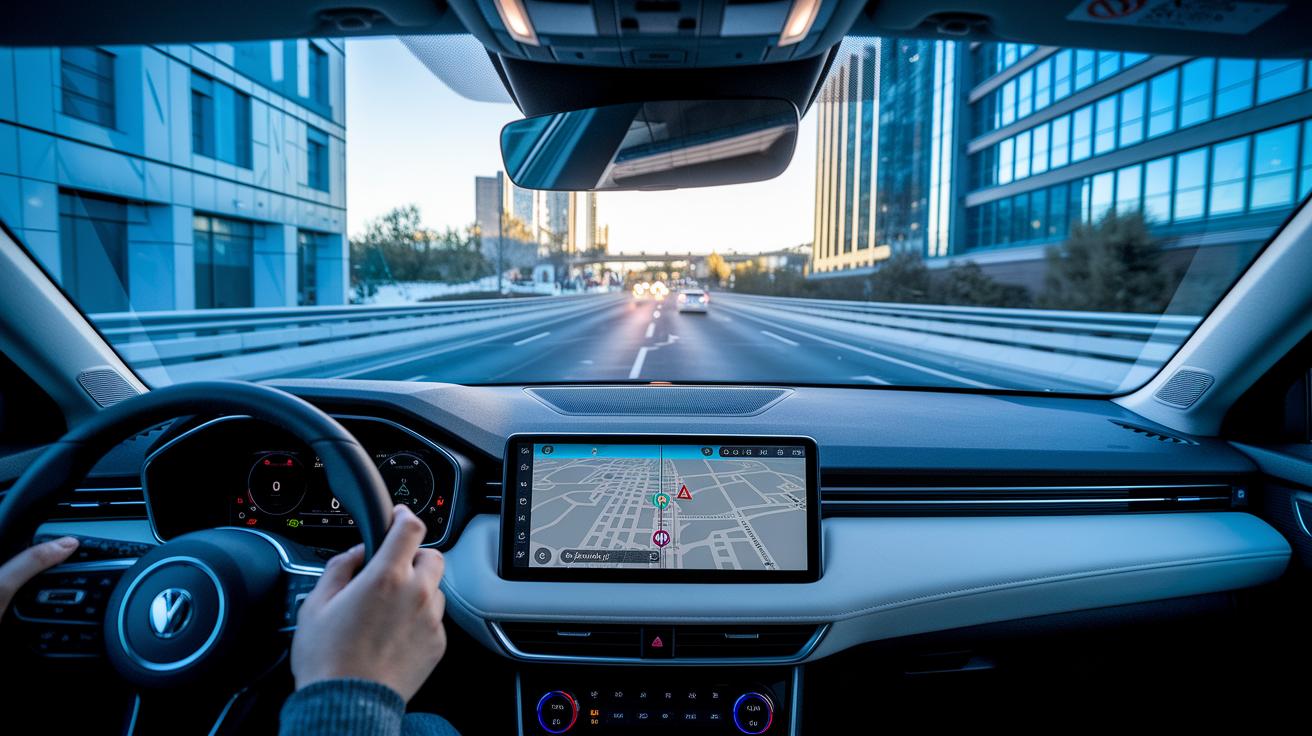
Next-generation 5G modules are upgrading how cars connect by replacing outdated 4G systems. This change lets drivers enjoy real-time infotainment and telematics, so navigation and media updates come with hardly any delay. Car makers and cloud providers are teaming up to push regular feature updates, meaning vehicles can tap into dynamic cloud data that boosts performance and quickens response on every trip.
New trends in vehicle-to-infrastructure and over-the-air update systems are reshaping how cars stay safe and current. Many automakers now equip their vehicles with tech that lets them communicate with traffic signals and road sensors, providing instant safety alerts and better traffic flow. At the same time, over-the-air (OTA) updates let cars patch software and add features without a trip to the service center, turning them into always-on smart devices.
V2X Communication Systems
V2X (vehicle-to-infrastructure) messaging lets cars share data with roadside sensors and traffic networks. This setup sends safety alerts, warns drivers about hazards as they occur, and helps ease traffic in busy urban areas.
Over-the-Air Updates and Cloud Integration
OTA update systems securely push firmware fixes and keep version control tight. With cloud-based data analytics, these updates reduce downtime and ensure vehicles run with the latest performance tweaks and security patches.
Smart Mobility Solutions Shaping Automotive Tech Breakthroughs
Mobility-as-a-Service platforms change how we get around. They combine ride-sharing, public transit, and fleet services into one simple system. For city residents, shared electric vehicles offer a cleaner and cheaper way to travel. Now one app lets you schedule a ride, plan a bus route, and even book a short-distance service.
Smart traffic management is easing city congestion. By using live sensor data, these systems adjust traffic lights and monitor road conditions in real time. Tools like smart parking and responsive traffic signals help drivers avoid jams and cut travel times. This technology also sets the stage for new ideas in urban planning and smoother transportation.
Digital twin technology is quickly proving its value. Car makers and city planners build virtual models of vehicles and traffic flows to test changes before they hit the streets. This method refines urban mobility strategies, making sure new solutions are safe, effective, and ready for the ever-changing needs of our growing cities.
Vehicular Cybersecurity and Software Evolution in Automotive Tech Breakthroughs
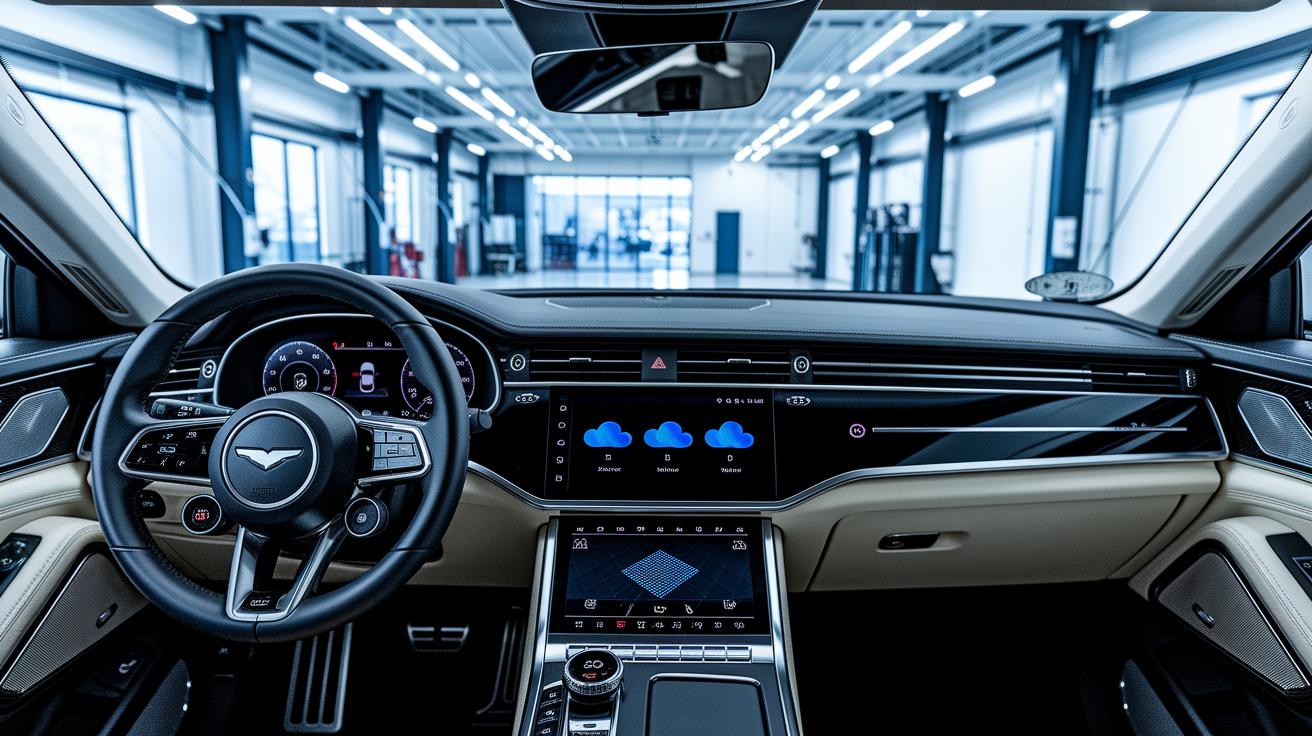
Strong security is a must as cars become more software-based. Today’s manufacturers build in cybersecurity systems that guard a car’s internal networks with layers of protection. These defenses help keep key functions like braking and navigation safe from hackers and digital intrusions.
Older cars used separate control units for each task. Now, those units are being replaced with cloud-native systems. This change means that software updates come over the air and data travels securely between the car and central servers. In short, your car can improve its performance and features without a trip to the dealer.
New digital dashboards blend navigation, media, and driver-monitoring tools into one screen. Secure update pipelines check firmware and block unwanted code to keep everything running smoothly. With solid security and regular improvements, the connected car stays safe and ready for a fast-changing auto world.
Future Prospects and Challenges for Automotive Tech Breakthroughs
Automakers are blending electric systems with regular engines to boost range and lower emissions. New fuels like e-kerosene and e-methanol receive approval from regulators, offering cleaner options while keeping performance high. This mix gives car makers a way to balance modern efficiency with the trusted feel of traditional engines, attracting a wider group of buyers.
Advanced tools such as 3D printing and robotics are changing the way vehicles are built. These methods let manufacturers create detailed, lightweight parts that were once hard to produce. Fast prototyping and automated assembly speed up the process, cut waste, and raise accuracy. The partnership between digital design and robotic precision not only reduces costs but also opens the door for more tailored vehicle features.
Despite these breakthroughs, supply chain issues and market shifts remain a hurdle. The post-pandemic world still struggles with parts availability and changing prices, forcing makers to be flexible. Since countries adopt new technologies at different speeds and shipping problems can drive up costs, automakers, suppliers, and regulators must work together. Coordinated efforts will help ensure that new innovations reach drivers reliably and affordably.
Case Studies of Successful Automotive Tech Breakthroughs
Real-world examples show how new automotive technology boosts car performance and smart features. Car makers are using modern power devices and control systems to improve safety, efficiency, and reduce costs.
Tesla’s SiC Powertrain Integration
Tesla has upgraded its Model 3 with silicon carbide power modules. This change boosts efficiency by 10% and reduces energy loss. The update leads to faster acceleration and a longer range, proving that advanced electric vehicle technology works.
Waymo’s Level 4 Fleet Deployment
Waymo’s robotaxi fleet in Phoenix has traveled over one million miles without a driver. This milestone highlights the safety and dependability of their self-driving system. Strict safety tests back up these real-world results and show the promise of Level 4 technology in busy urban areas.
Honda’s SDV Cloud Partnership
Honda is working with cloud services to continuously improve its software-defined vehicles. With regular over-the-air updates, these cars get better performance and new features without a visit to the shop. This approach shows how smart connectivity keeps vehicles current and efficient.
Chinese OEM Advanced E/E Architecture
A leading Chinese car maker has introduced zonal controllers in its new electric vehicles. These modern systems help reduce costs and weight while improving overall efficiency. The use of zonal control highlights how thoughtful design can make cars both smarter and more cost-effective.
Final Words
In the action, the piece covered the surge in EV power systems, advances in driving automation, and the growth of connected car networks. It highlighted how silicon carbide, gallium nitride, and 5G connectivity are modernizing vehicle architecture. The discussion also touched on smart mobility, cybersecurity, and even manufacturing trends. All these trends are key to automotive tech breakthroughs driving the industry forward. With these developments, the automotive future is bright and full of promise.
FAQ
Frequently Asked Questions
What new technology is transforming the automobile industry?
The new technology in the automobile industry includes innovations like electric propulsion, smart connectivity, and improved autonomous systems. These advances boost safety, energy efficiency, and the overall driving experience.
What should we expect from new car technology in 2025?
The new car technology in 2025 will feature mainstream Level 2 automation and enhanced connectivity. This means more advanced driver assistance, improved electric power systems, and smarter onboard features.
What do technology trends in automotive industry PDFs highlight?
The technology trends detailed in PDFs often focus on electric systems, autonomous capabilities, and connected services. They provide data and market outlooks that help guide decisions in automotive development.
What new car technology is coming soon?
The new car technology coming soon promises better powertrain efficiency, advanced driver aids, and enhanced connectivity. Upcoming models may include cutting-edge semiconductor devices and improved over-the-air updates for software.
What does a typical car technology company offer?
The car technology company typically develops smart vehicle systems and software-based services. Their work drives breakthroughs in autonomous features, connectivity, and efficient electric power systems used in modern vehicles.
What automotive technology trends are emerging now?
The automotive technology trends emphasize a shift toward electric drive systems, increased autonomous capabilities, and robust connectivity. These trends improve vehicle performance, boost safety, and enhance the overall user experience.
What are some innovative ideas in car technology?
The car innovation ideas range from introducing AI-powered systems and smart connectivity to refining electric power electronics. These concepts lead to vehicles that are safer, more efficient, and offer a more connected driving experience.
What new car technology features are available today?
The car technology features now available include adaptive cruise control, lane-keeping assistance, and over-the-air software updates. They also incorporate advanced electric drive systems and fast 5G connectivity for a more integrated experience.