


African American culture turns a hard past into a creative force. It takes stories of struggle and transforms them into art, music, and community spirit.
This legacy shows that tough times can build resilience and spark creativity that reaches every neighborhood.
In this article, we look at how tradition mixes with new ideas to inspire and empower people across the nation.
African American Culture: Inspiring Legacy & Creative Spirit
African American culture brings together a deep past with a vibrant present. It tells real stories through art, music, and community gatherings, all rooted in strong ancestral traditions and fresh creativity. This heritage emerged from tough struggles and now fuels a rich tradition that connects communities nationwide.
The influence can be seen on every street and in every neighborhood. Music, art, writing, and everyday customs show how challenges transform into creative power. Whether at local events or major celebrations, this living tradition honors the past while inspiring future progress.
Key pillars of African American culture include:
- History: Stories of struggle, resilience, and triumph.
- Art: Visual, literary, and performance works that mirror real-life experiences.
- Music: Expressions that range from spirituals to modern beats.
- Traditions: Customs and rituals that celebrate community roots.
- Social impact: Contributions that shape national conversations and policies.
Historical Evolution of African American Culture
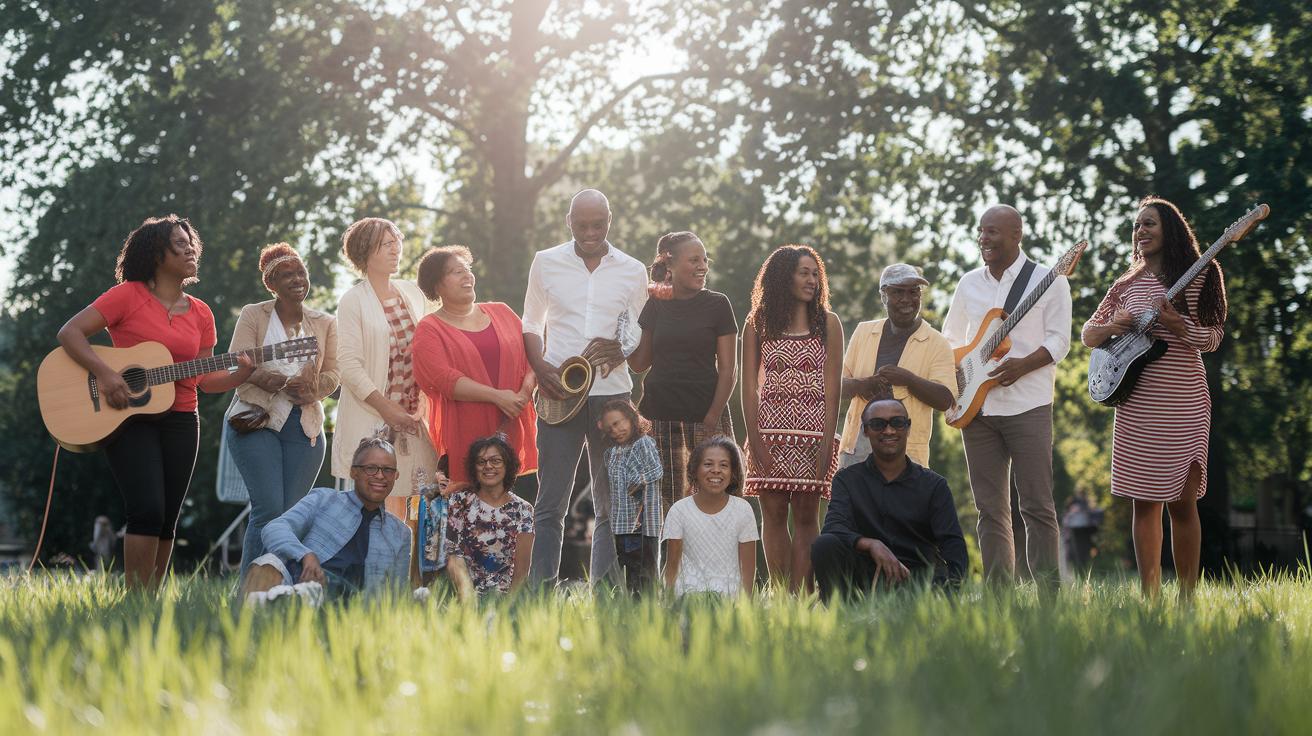
In 1619, the first enslaved Africans arrived in Virginia. Their arrival set the stage for a lasting Black presence in America. Forced into harsh conditions, they held on to their cultural traditions and built strong community bonds. Their early struggles were about survival and forming the roots of a unique cultural identity.
After emancipation, African American culture began to change in significant ways. Freed individuals rebuilt their lives and formed vibrant communities filled with art, music, and new ideas. Terms like Colored, Negro, Black, and eventually African American evolved as a sign of pride and a connection to ancestral roots. New organizations and legal battles also emerged, laying the groundwork for more rights and social progress.
| Year | Event | Significance |
|---|---|---|
| 1619 | First enslaved Africans landed in Virginia | Foundation for Black presence |
| 1865 | Emancipation Proclamation | Ended slavery in the U.S. |
| 1909 | NAACP founding | Started organized civil rights activism |
| 1954 | Brown v. Board | Challenge to segregation in schools |
| 1964 | Civil Rights Act | Legislated equal rights |
The civil rights movement brought deep changes that reshaped laws and social norms nationwide. Its impact still stirs discussions on equality and the meaning of African American identity today.
Diversity and Identity in African American Culture
Race often refers to the physical traits we share, like skin color. Ethnicity covers the traditions, language, ancestry, and beliefs that shape our daily lives. A 2021 study shows that these differences play a key role in how we see ourselves. Race gives us visible markers, while ethnicity dives into the ways we celebrate our heritage. Understanding both helps us appreciate a full picture of a person's identity.
In the United States, the label African American is often used as a catch-all term, but it can hide the diverse backgrounds within Black communities. Many people also call themselves Afro-Latinx, Caribbean American, Haitian American, Nigerian American, and more. Each of these groups brings its own unique story that comes through in family traditions, food, community events, and more.
Using a one-size-fits-all label can sometimes erase the rich details of someone's history. When people are asked to share how they define their race and ethnicity, it allows their unique background to be recognized. This simple question helps protect cultural heritage and deepens our view of the Black experience.
Artistic and Literary Heritage in African American Culture
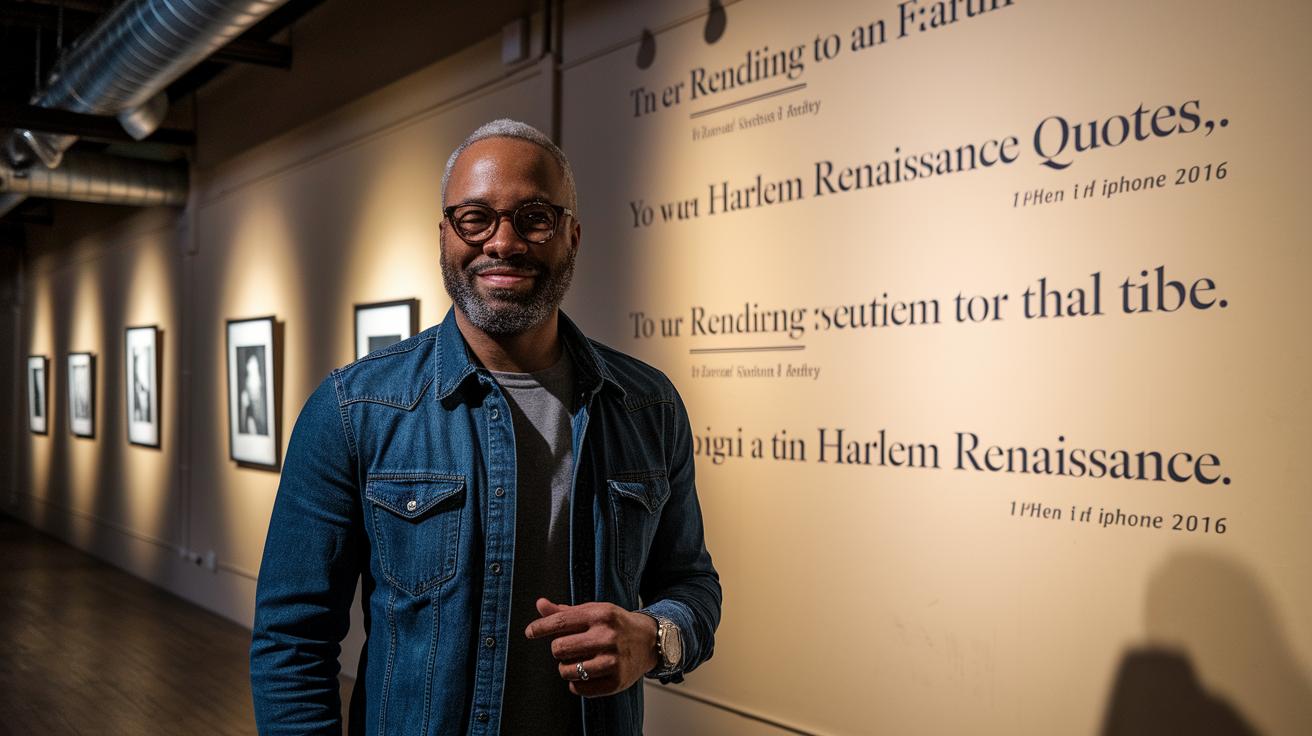
African American art brings stories of struggle, success, and hope to life through literature, visual art, and performance. Creative voices over the years have shared real experiences that speak to the heart and continue to influence new generations.
Literary Contributions
Writers like Langston Hughes, Zora Neale Hurston, and Toni Morrison opened the door to a rich collection of stories. Their words, along with many voices from the Harlem Renaissance, brought forward genuine accounts of resilience and change. They challenged old stereotypes and made space for voices that had been overlooked, setting clear benchmarks that still shape the way we read and feel about literature today.
Visual Arts and Photography
Artists such as Jacob Lawrence used his Migration Series to show the power of movement and change. Photojournalist Gordon Parks captured human moments that connected art with social action. Today, modern Black visual art builds on these strong foundations, mixing traditional techniques with fresh, contemporary views that reflect our shifting culture.
Theater and Performance
The stage has always been a strong outlet for African American expression. Playwright August Wilson crafted dramas that explored everyday challenges, while Lorraine Hansberry used theater to question ideas about race and class. More recently, Black theater companies have grown, offering new platforms for performers to redefine their community’s story with energy and heart.
Musical Legacy in African American Culture
African American music began long ago with spirituals and gospel songs. These tunes emerged during slavery to offer comfort and hope. They mixed Bible stories with everyday struggles, letting people express their strong wish for freedom and dignity.
By the early 1900s, jazz and blues took shape in places like New Orleans and Chicago. These styles grew out of rich cultural exchanges and personal emotions. Jazz allowed musicians to play creatively on the spot, while the blues used raw storytelling to reflect life’s challenges. Together, they captured the many faces of Black life and brought communities together.
In the mid-1900s, sounds like Motown, R&B, and gospel started to blend. Record labels polished heartfelt gospel music into catchy pop tunes, and R&B introduced smooth beats that reached a wide audience. Artists mixed deep spirituality with mainstream appeal, uniting people through strong rhythms and messages.
Since the 1970s, hip hop has become a clear voice for social commentary. With bold beats and honest lyrics, it speaks to the challenges and hopes of urban life. Musicians turned personal experiences and local struggles into anthems that address race, inequality, and empowerment. Hip hop continues to be a strong voice for change.
Culinary Traditions of African American Culture

Soul food is a core element of African American history, born from generations who made the best of available Southern ingredients. Early cooks used staples like okra, greens, and cornbread to create filling meals during hard times. These dishes did more than satisfy hunger, they also preserved memories and honored family traditions.
Today, chefs build on this heritage with both classic recipes and fresh ideas. Chefs such as Edna Lewis have taken beloved traditional dishes and given them a modern twist, highlighting the rich diversity of Black cooking. Modern soul food blends familiar comfort with innovative techniques and ingredients, keeping the legacy alive and inviting new generations to enjoy its deep cultural stories.
Celebrations and Rituals in African American Culture
Every year, African American communities mark important dates and events that honor their heritage and unite people. Celebrations like Black History Month, Juneteenth, and various cultural festivals remind everyone of past struggles and victories. These events bring people together to celebrate traditions, recognize contributions, and build a strong shared identity.
Organized ceremonies, parades, and public shows across the country express pride in a rich legacy. They also invite young people to learn about their culture and play an active role in its future.
| Celebration | Timeframe | Cultural Significance |
|---|---|---|
| Black History Month | February | Honors the achievements and contributions of African Americans |
| Juneteenth | June 19 | Marks the end of slavery and celebrates freedom |
| Kwanzaa | December 26 – January 1 | Reflects on African heritage and community solidarity |
| Gospel Music Festival | Varies by region | Highlights spiritual expression and musical talent |
Storytelling and church gatherings help keep cultural traditions alive. In homes and church halls, elders share personal stories and family history, teaching lessons of resilience and hope. These gatherings not only preserve history but also inspire young people to understand and take pride in their roots. They help heal and unite the community while passing down values that guide future generations.
Contemporary Expressions of African American Culture
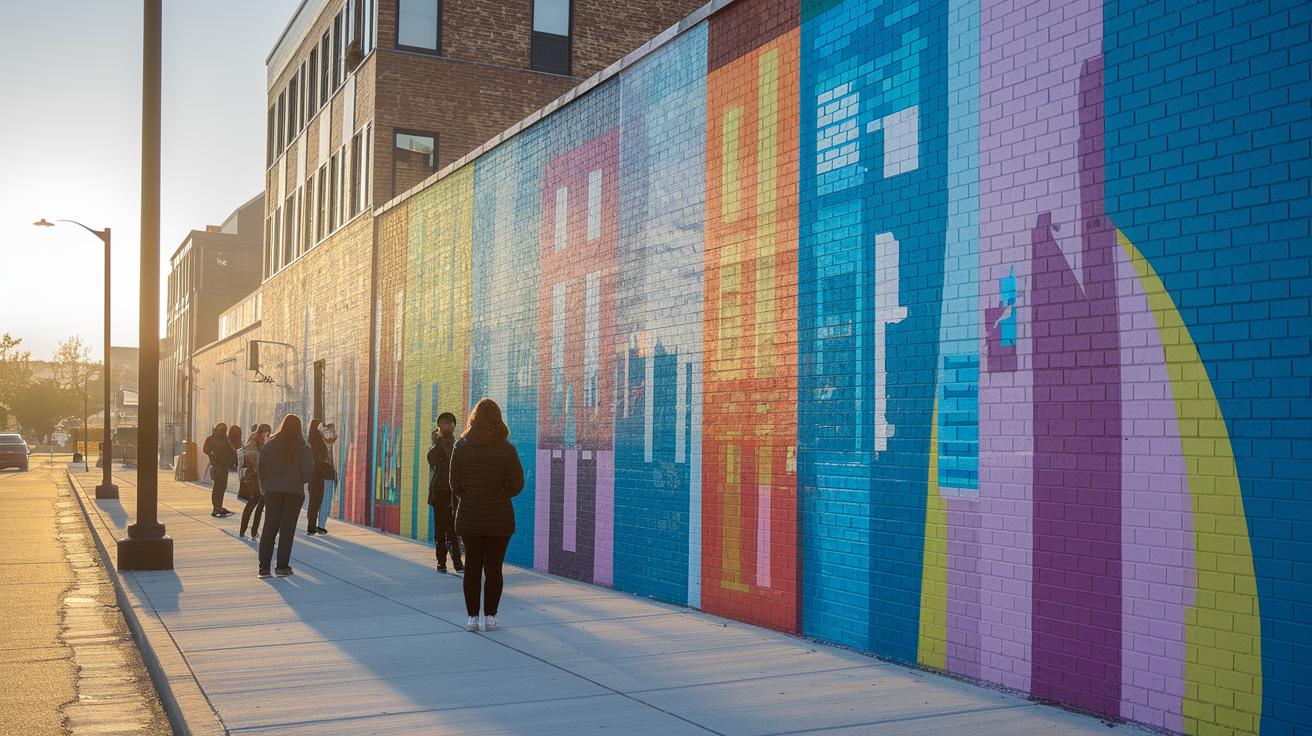
Urban neighborhoods now burst with vibrant street art and murals. Walls and sidewalks light up with bold colors and images that tell real community stories. Local artists use these works to voice everyday struggles and wins, inviting onlookers to connect with their history and imagine a future where art brings people together. For example, one mural might celebrate a local hero and spark a conversation that goes well beyond its surface.
Black fashion designers are also changing the game on the runway. They mix cultural heritage with fresh, modern ideas to create looks that express pride and creativity. Their collections blend classic symbols with urban style, catching the eye of communities and the wider fashion scene alike. Through their work, clothing becomes a clear statement of identity.
Film, television, digital media, and spoken-word platforms led by Black creatives are opening up new spaces for storytelling. These channels bring forward unfiltered views of community life and highlight the politics of representation. Whether through moving documentaries or quick, engaging digital series, these voices deliver honest portrayals of everyday experiences. Spoken-word events, with their unique rhythm and raw honesty, fuel public discussion and drive positive change.
Preservation and Future of African American Culture
Museums, HBCUs, and school programs build a solid foundation for protecting African American heritage. They keep physical artifacts safe and share the powerful stories behind them. Museums show art and historical items that reveal both struggles and successes, while HBCUs and schools offer classes that explain the real contributions and challenges faced by African American communities. By weaving Black history into everyday lessons, these institutions help future generations understand their roots and the creative spirit that drives cultural progress.
Digital archives, community programs, and new academic research are also key to sharing rich cultural legacies. Online platforms spark conversations about identity and heritage, giving people a chance to share both personal and collective experiences. For instance, one PhD student in African and African Diaspora Studies is researching U.S. immigration policy and its impact on health among African migrants. This blend of academic inquiry and lived experience illustrates how modern projects not only document the past but also empower communities to shape their cultural future through active participation and innovative storytelling.
Final Words
In the action, the article showcases the rich layers of history, art, music, and food that shape african american culture. It traces early milestones through modern expressions, highlighting key traditions and celebrations.
The post outlines the enduring legacy of community institutions, creative voices, and cultural pride. A balanced look at historical struggles and innovative progress brings hope and purpose to our shared heritage. Enjoy the continuous evolution of african american culture as it inspires and informs.
FAQ
Q: What is African American culture and what does it include?
A: African American culture refers to a shared set of attitudes, traditions, and artistic expressions rooted in African heritage and shaped by the U.S. experience. It includes music, art, food, clothing, history, and family traditions.
Q: What are some core values of African American culture?
A: African American culture values community, resilience, creative expression, and strong family ties. These principles help maintain traditions and support social progress within the community.
Q: What key traditions define Black culture and family practices?
A: Black culture traditions place strong emphasis on family bonds, storytelling, and communal celebrations. These practices preserve history and honor the cultural legacy passed down through generations.
Q: How has history shaped African American culture?
A: African American culture history reflects a journey from slavery and struggle for civil rights to modern contributions in art, politics, and social change. This history underpins a resilient and evolving cultural identity.
Q: How does clothing reflect African American cultural identity?
A: African American culture clothing showcases unique styles that blend traditional influences with modern fashion. These garments express individual creativity and signal pride in cultural heritage.
Q: How does food represent African American heritage?
A: African American culture food highlights soul food and Southern culinary influences. It merges African traditions with local ingredients to create hearty dishes that celebrate community and history.
Q: How does music contribute to African American cultural expression?
A: African American culture music spans jazz, blues, hip hop, R&B, and gospel. This music has driven major shifts in American sound, influencing global styles with its innovative rhythms and deep emotional roots.
Q: What resources offer reliable African American culture articles?
A: African American culture articles provide detailed insights into history, art, and current trends. They are found in academic journals, cultural magazines, and reputable digital platforms that highlight scholarly and community perspectives.