


Ever wonder why that sushi burrito hits just right? In Ohio, one food truck mixes Japanese cooking with Mexican spices to create a unique taste. Every day, our language borrows words like café and patio from many cultures, showing how ideas travel and blend together.
This everyday mix of traditions isn’t just about food or language, it’s a reminder that combining elements from different places can add a fresh twist to our lives. Cultural exchange may be subtle, but it inspires new ways to enjoy even the simplest parts of our day.
Everyday diffusion of culture examples: Food, Language, and Traditions
Cultural ideas mix in everyday life. In one Ohio town, a food truck now offers a sushi burrito that blends Japanese cooking methods with Mexican flavors. Where a major Italian chain once dominated, new local eateries bring fresh and diverse tastes. These changes turn daily settings into spots where cultures meet and evolve.
Language and fashion are picking up global trends too. Simple shifts, like using French words such as café and Spanish words like patio, or adopting street styles from skate and hip-hop cultures, show that cultural blending happens every day. These small steps slowly reshape our traditions in meaningful ways.
- In Ohio, a food truck now serves a sushi burrito that fuses Japanese and Mexican traditions.
- English is enriched with everyday loanwords like café and patio.
- Halloween is celebrated around the world, moving beyond its Celtic roots.
- Coffee culture spreads with rising trends in espresso bars and latte art.
- Streetwear styles from skate and hip-hop are becoming common in mainstream fashion.
These examples show that cultural blending is part of daily life, turning ordinary moments into a continuous exchange of ideas and flavors.
Historical diffusion of culture examples: From Ancient Trade Routes to Colonialism
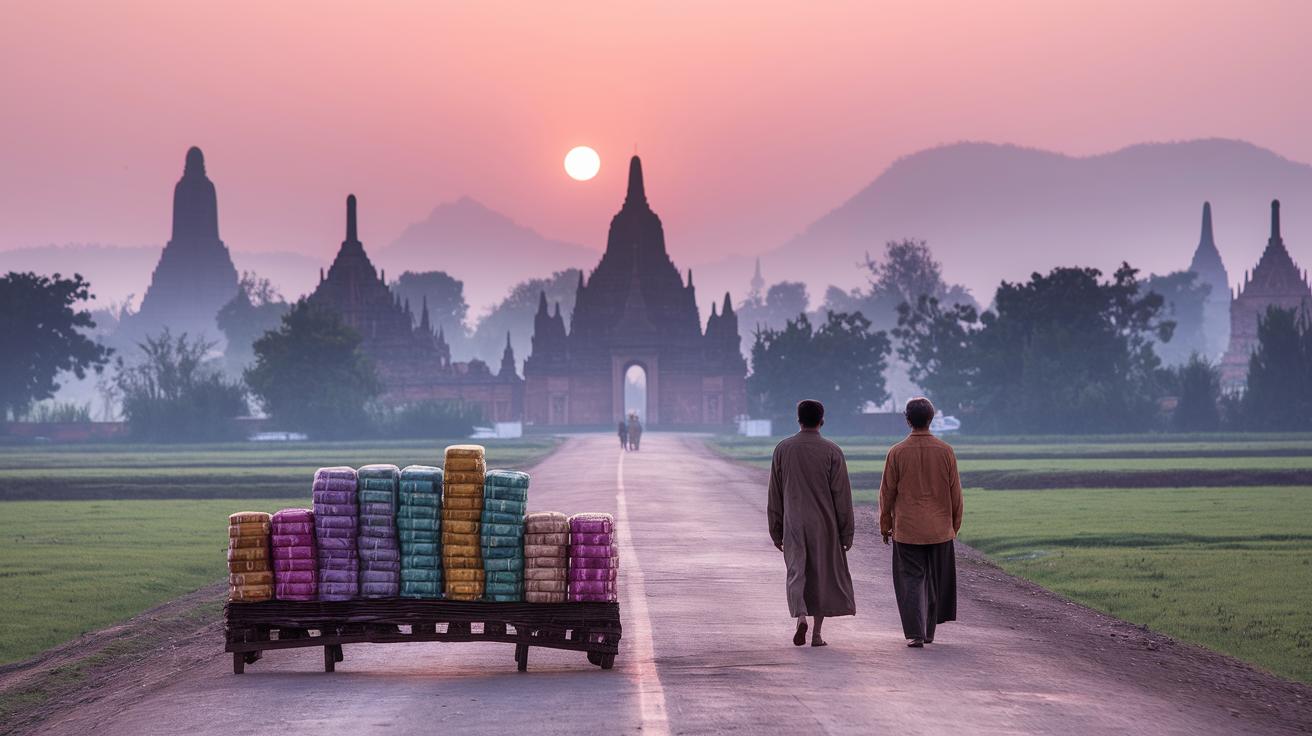
Ancient trade routes like the Silk Road played a key role in sharing ideas and customs. Traders moved silk, spices, and pottery between regions, creating connections that went beyond business. Religions like Buddhism traveled from India to East Asia along these routes, blending with local traditions and influencing everyday life.
From the 15th to the 20th century, European colonialism reshaped cultures around the world. As Europeans settled in new lands, they brought languages such as English and Spanish. These languages still shape political and social systems today. Christianity also spread, often merging with local customs or challenging indigenous beliefs. This mix of cultures shows how languages and religions can travel long distances and leave lasting marks.
In the 1930s, Iowa farmers adopted a new hybrid corn seed that changed their farming practices over a decade. This process mirrors cultural diffusion as innovators take risks and early adopters help new ideas become common. The gradual shift in farming techniques is much like the spread of languages and religions in earlier times. Both examples remind us that change often happens in stages and can transform everyday life.
Modern diffusion of culture examples: Media, Technology, and Pop Trends
The cultural diffusion model shows how new ideas spread in stages. First, innovators try out fresh concepts. Next, early adopters grab on and introduce these ideas to a wider group. As more people join in, these ideas become a normal part of daily life. Media and technology make it easy to blend old traditions with new ways of thinking.
K-pop offers a clear example. Groups like BTS have become global sensations, topping charts in over 100 countries. Their success shows how media can turn music into a language understood worldwide. K-pop’s influence stretches beyond music, sparking changes in fashion, dance, and even online trends.
Social media speeds up this process by spreading viral content. TikTok dance challenges and popular shows on Netflix start trends that cross borders in minutes. These online moments change everyday language, humor, and habits, drawing different cultures closer together.
Streaming services and social media are reshaping how we interact today. People build communities around shared interests, and creative ideas spread as quickly as a tap on a screen. This new world of digital connection blends art, language, and style, showing that modern media isn’t just for entertainment, it’s a powerful tool that links global communities every day.
Diffusion of culture examples in Migration and Urban Settings
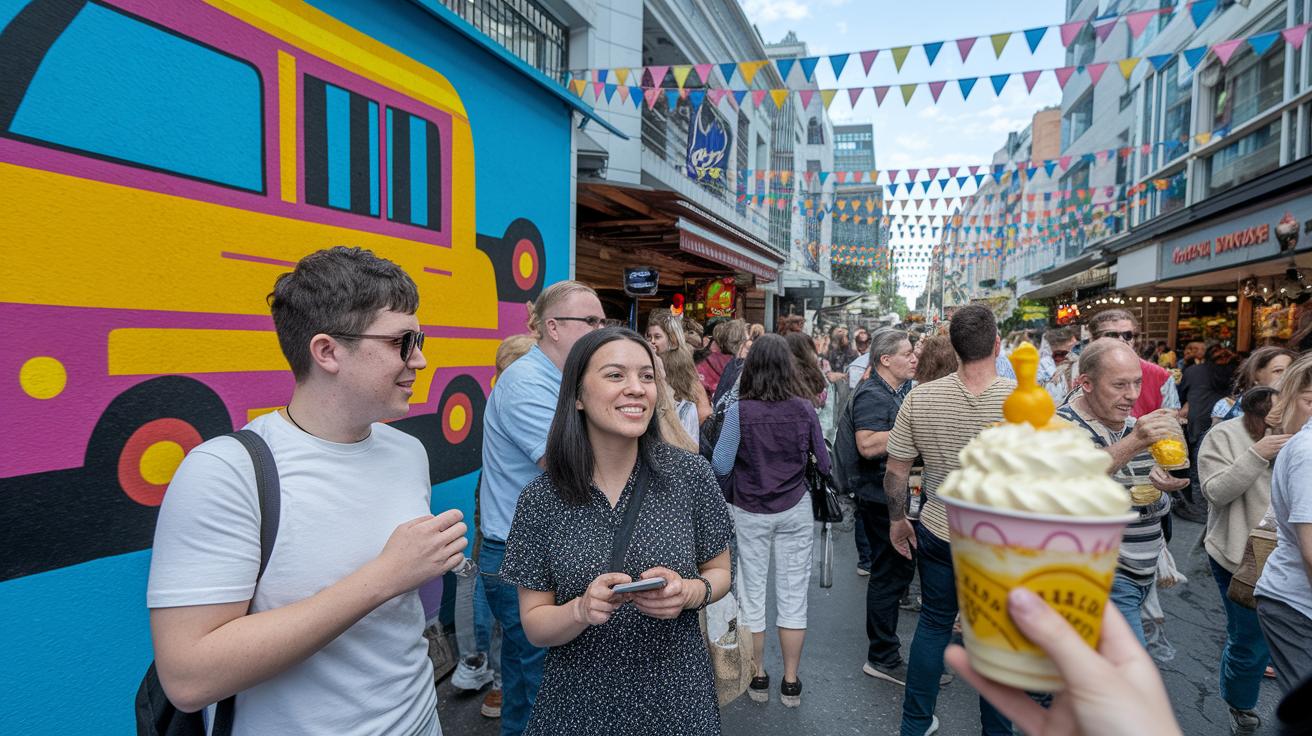
Cities are blending grounds where migration sparks cultural exchange. Newcomers bring their traditions, and neighborhoods evolve as these practices mix into everyday life. Think of places like Little Italy and Chinatown, where local festivals and unique cuisines brighten public spaces. This shows that cultural diffusion isn’t just about holding on to heritage, it’s about creating vibrant spaces where ideas naturally meet.
Migrant communities shape urban life with their distinct cultural flair. For example, many Filipino groups in California bring Jeepney art (bold, colorful designs on public vehicles) and halo-halo desserts to local markets, adding a lively twist to daily commerce. Similarly, Caribbean carnivals in cities like Toronto and London turn streets into stages for parades and music, highlighting celebrations that blend traditions with modern urban life.
This mix benefits both newcomers and long-time residents. As neighborhoods grow more diverse, food, art, and social customs blend together to form a unique city culture. Residents enjoy experiencing different flavors, sounds, and sights every day, a reminder of how dynamic and enriching modern cultural diffusion truly is.
Types of diffusion of culture examples: Expansion, Relocation, Contagious, Hierarchical, and Stimulus
Diffusion of culture explains how ideas and customs travel and change when they move into new communities. This process shows why traditions keep their core elements even while adapting to different settings.
Expansion Diffusion
Expansion diffusion happens when a culture's traits become stronger at their source while spreading to other areas. For example, Buddhism spread from India along trade routes across Asia. Its core beliefs remained the same, even as new followers embraced it.
Relocation Diffusion
Relocation diffusion occurs when people take their cultural practices to new regions. In the 16th century, European settlers brought their languages and religious customs to the Americas. These influences still shape local cultures today.
Hierarchical Diffusion
Hierarchical diffusion starts in major centers and then reaches smaller communities. Cultural trends in art, technology, and fashion often begin in influential cities like Paris or New York before moving outward.
Contagious Diffusion
Contagious diffusion spreads ideas quickly, much like a spark ignites a fire. Recent viral challenges on TikTok show how trends can jump rapidly across different groups without a structured network.
Stimulus Diffusion
Stimulus diffusion occurs when a central idea is adapted to meet local needs. Global restaurants, for example, might offer vegetarian burgers in India to suit regional tastes.
Together, these types of diffusion help us understand how cultural traditions blend and transform as they spread, shaping identities across different places and times.
Final Words
In the action we revealed diffusion of culture examples through everyday life. The article traced how food fusion, language shifts, and urban traditions bring cultures together.
We examined historical influences and modern trends, from sushi burritos to viral dance challenges and local customs in migrant communities. Observing mechanisms like expansion, relocation, and contagious spread shows how impulses from one corner of the world can spark widespread change.
This exploration leaves us upbeat about the small surprises that brighten our daily lives.
FAQ
What are some diffusion of culture examples today and in everyday life, including in America and the Philippines?
The diffusion of culture appears in everyday life through cross-cultural foods, language blends, and festive traditions. Examples include sushi burritos in Ohio and Filipino diaspora displays in California.
What are five examples of cultural diffusion?
Five examples are a sushi burrito merging Japanese and Mexican styles, English loanwords from French and Spanish, Halloween customs growing worldwide, global coffeehouse trends, and urban streetwear influenced by music cultures.
What is an example of cultural diffusion in history and the real world?
Historical diffusion is shown by the Silk Road spreading Buddhism, while modern diffusion is seen in K-pop’s global influence, reflecting cultural practices moving from one region to many.
What are the three types of cultural diffusion?
The main types include relocation diffusion, where people carry cultural traits; expansion diffusion, where ideas grow at their source and spread; and hierarchical diffusion, where trends move from key centers to wider groups.