
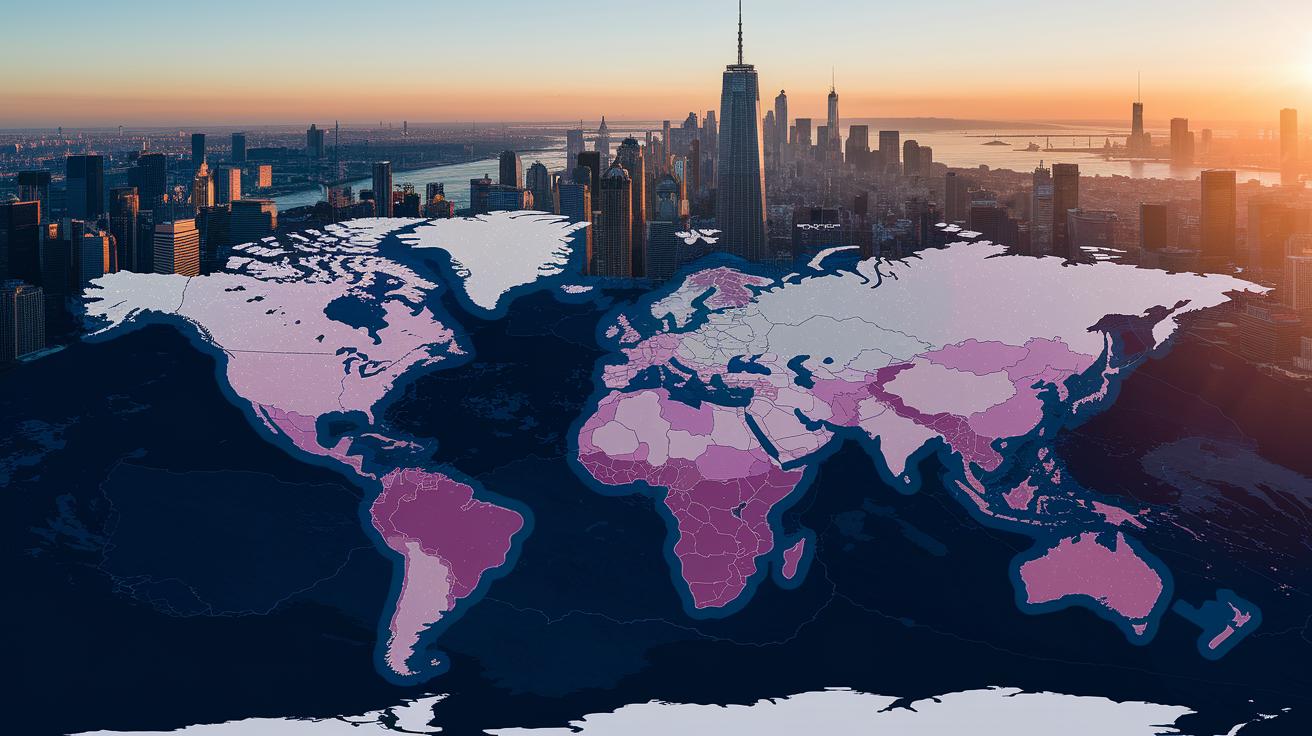

Global bonds might change soon, sparking a brighter future. Nations are shifting alliances in ways that many find surprising. Old friends are teaming up in unexpected groups while long-standing partnerships are breaking apart. Leaders are making bold moves that could change the balance of power. This shift is sparking debates about loyalty, strategy, and regional teamwork. Countries appear set to join forces based on shared interests and strong economic ties. Simply put, a new era of global relationships is on the horizon.
Understanding Geopolitical Realignment: Key Trends and Immediate Drivers
Geopolitical realignment is about countries shifting their alliances and power. Today, old partnerships are dissolving while new groups form quickly. Think of it like how Hemingway described bankruptcy, changes that build slowly and hit all at once.
Recent events have pushed these changes even further. Leaders such as Trump and Putin have sparked debates on loyalty and strategy on the world stage. Russia’s actions in Ukraine highlighted weak spots in European security, prompting nearby nations to rethink their defense plans. Even long-standing trans-Atlantic ties are evolving, with familiar friends teaming up with unexpected partners.
Amid these shifts, nations are pulling together around shared interests. New alliances are driven by economic needs and political changes. Policy makers and global investors are watching closely as these trends reshape trade, security, and international cooperation. In short, this realignment is changing how countries work together in today’s fast-paced world.
Historical Phases of Geopolitical Realignment and Alliance Shifts
Global power has swung back and forth over time with events that changed how countries interact. The Peace of Westphalia in 1648 set the stage for the idea of sovereign states, a concept that still shapes today's diplomacy. Later, the Congress of Vienna in 1815 reset power after the Napoleonic wars, helping keep order in Europe.
Other key moments show us how alliances and power have been constantly reworked. The Treaty of Versailles in 1919 redrew national borders after World War I. The Cold War from 1945 to 1991 split the world into two opposing camps. Since then, we've moved from one dominant power to a spread of influential nations. These changes help us understand today’s shifting global balance and evolving alliances.
| Period | Main Drivers | Outcome |
|---|---|---|
| Peace of Westphalia (1648) | Birth of sovereign states, push for religious tolerance | Set up the modern state system |
| Congress of Vienna (1815) | Rebalancing after wars, restoring boundaries | Reordered Europe for stability |
| Treaty of Versailles (1919) | War reparations, redrawn national lines | Started long-term shifts in alliances |
| Cold War (1945–1991) | Rival ideologies, nuclear deterrence | Split global alliances into camps |
| Post-Cold War to present (1991–2023) | Economic changes, new power centers emerging | Shifted from one dominant power to a multipolar world |
Core Drivers of Today’s Geopolitical Realignment
Economic power is redrawing global alliances. China is boosting renewable energy investments in Europe and signing long-term deals for green hydrogen and batteries. Many countries are now rethinking who controls key energy resources. With U.S. policy shifts and rising nationalism, classic power structures are weakening, pushing nations to find new, more balanced economic partners.
Cultural and educational factors add to this change. China’s Double First-Class initiative, backed by US$70 billion over 30 years, aims to lift university rankings and spark new research, including breakthroughs in AI (artificial intelligence). In Europe, the Horizon Europe program stands by open science and supports 1,400 at-risk scholars between 2022 and 2024. Meanwhile, Russia is mixing classroom learning with military training through its Military Education in Service of the Fatherland program and plans to train 40,000 drone-tech experts by 2025. The Global South is also stepping up, with Nigeria’s learning system for 4 million students and India’s SWAYAM platform reaching 30 million users, showing a clear shift in academic and tech influence.
- Economic growth: Renewables investments and green energy deals are shifting the economic focus toward sustainable resources.
- Political realignment: U.S. policy changes and growing nationalism are pushing countries to forge new alliances and challenge old ones.
- Technological leadership: Projects like China’s education reforms are driving advances in AI and high-tech fields.
- Open science advancements: The EU’s efforts to champion academic freedom and share research boost scientific teamwork.
- Military integration: Russia’s blend of studies and defense training is creating a workforce skilled in drone technology.
- Epistemic sovereignty: Expanding education programs in the Global South are helping these regions set their own development paths.
Case Studies in Geopolitical Realignment Dynamics
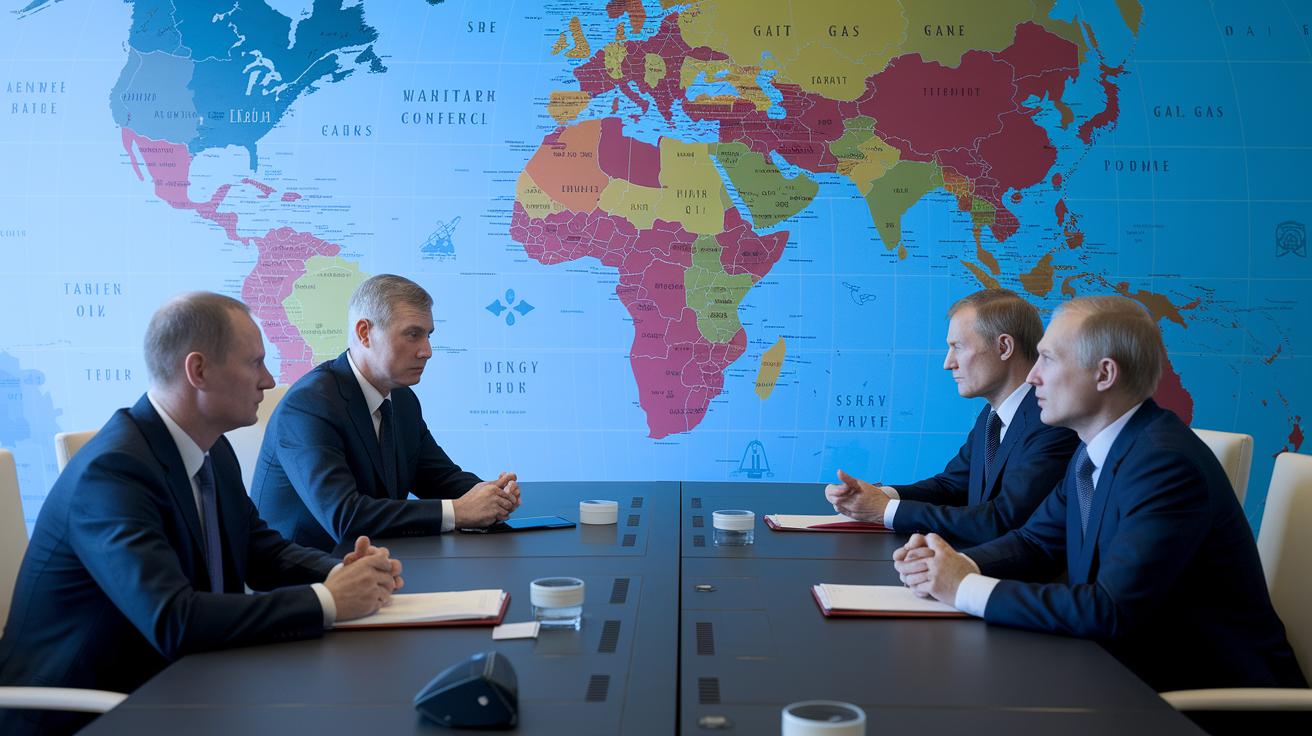
DC–Moscow Petrostate Axis
This axis mixes energy deals with strategic diplomacy. Leaders in Washington and Moscow see oil and gas trade as a powerful lever. They are discussing clean-energy projects and fine-tuning supply agreements to keep markets steady. Both sides want to challenge U.S. leadership and boost national influence. The growing stress from the war in Ukraine has made them rethink security and energy reliability.
Beijing–Brussels Green Entente
This entente follows a two-step plan. At first, both sides are building a clean-energy fund and signing deals to streamline supply chains for renewable tech. In a later phase, Chinese investments in renewables are set to expand across Europe. The goal is to help the EU use green hydrogen and battery solutions, lessening its need for U.S. liquefied natural gas. However, internal EU disagreements and human rights issues add challenges. Still, both parties aim to combine economic growth with strong, lasting energy security.
Future Scenarios for Geopolitical Realignment
Global affairs keep changing, and experts see three clear future paths that could shape defense plans and international order in the coming years.
Scenario 1: Multipolar Equilibrium
In this case, several big powers share influence. Countries work together through trusted international groups to solve problems. This teamwork lets nations respond to common threats through clear, coordinated actions that keep global stability in check.
Scenario 2: Bipolar Contest
This scenario pits two major power centers against each other. It might see U.S. interests taking a different path from those of China or Russia. Each side boosts its technology and economy to secure an edge. With tighter alliances and more spending on defense, the focus shifts to winning specific, high-stakes contests instead of broad cooperation.
Scenario 3: Fragmented Regional Orders
Here, regions form their own local alliances with little global teamwork. Each group then focuses on its own security and economic needs. Without a strong worldwide framework, planning can become uneven, leading to unique rules and policies from one region to another.
Implications of Geopolitical Realignment on Trade, Security, and Governance
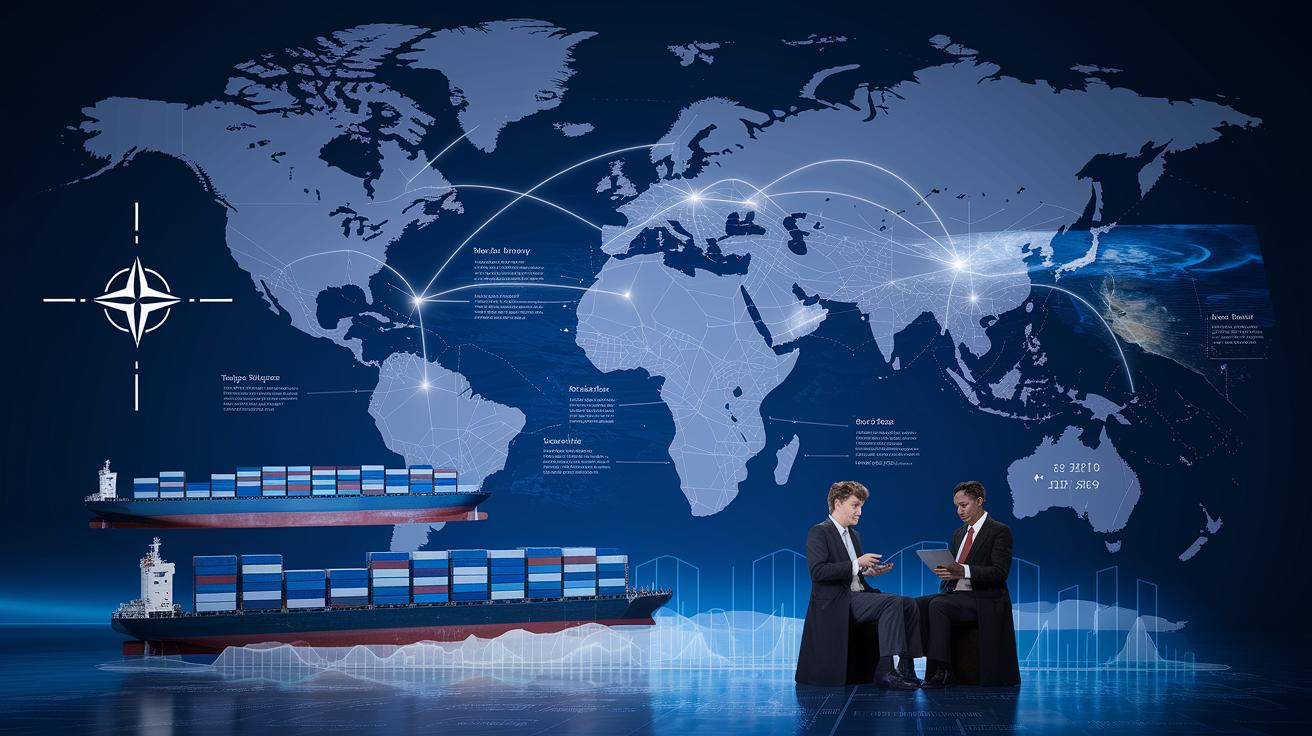
Global economic patterns are shifting. Countries are reworking their supply chains and forging new trade deals to move away from old hubs. This change has asset managers and top executives looking closely at risk and reward. They want stronger, more reliable trade routes while companies race to meet new regulations that both challenge and create chances for investors.
Security strategies are also changing fast. NATO is updating its plans as fresh threats emerge in places like the Middle East and Asia. New partnerships and better intelligence sharing are now key to keeping peace. Governments are reviewing their defense budgets and readiness, which is changing security on both local and global levels.
International organizations are under fresh pressure to change too. Groups like the UN and WTO are being questioned for how well they work today. Politicians are calling for updates that match the current balance of power and the realities of global trade.
| Key Change | Impact |
|---|---|
| Supply-chain restructuring | Less reliance on old suppliers |
| New trade deals | Access to alternative markets |
| NATO adjustments | Better response to new threats |
| Regional security shifts | Revised defense plans |
| Calls for reform | Push for modern international bodies |
| Regulatory changes | New compliance challenges for companies |
Final Words
In the action, the blog took a deep look at shifting alliances and power changes. It covered key historical moments and today’s drivers, breaking down how economic, political, and cultural forces affect trade, security, and governance.
The analysis of geopolitical realignment shows clear clues to what future global shifts may bring. It leaves us with hope and practical insights for navigating upcoming challenges in a fast-changing world.
FAQ
What is the concept of geopolitics?
The concept of geopolitics examines how geography influences power and state relations. It looks at how physical space, resources, and location shape global politics and diplomatic strategies.
What are some current geopolitical issues?
Current geopolitical issues include shifting alliances over conflicts such as Russia’s actions in Ukraine, adjustments in U.S. and European security approaches, and evolving energy and trade policies between global powers.
What are the 5 geopolitical zones?
The five geopolitical zones typically refer to groupings like North America, Europe, Asia, Africa, and Latin America. Each zone is defined by its strategic, economic, and cultural traits that influence its international role.
What is an example of a geopolitical situation?
An example of a geopolitical situation is the conflict in Ukraine, where shifts in alliances and energy policies have caused major global realignments and influenced the balance of power in international affairs.