


Ever wonder how ancient traditions can still brighten our lives today? In New England, Native American communities maintain deep bonds with their land and spiritual roots. They pass down stories that teach respect and balance across generations. These time-honored practices honor the past while offering guidance for today’s challenges. This article explores how these radiant traditions keep community pride and unity alive.
Native American Culture: Radiant Traditions Ignite Pride
Native American communities have called New England home for over 10,000 years. More than 6,000 people from nearly 30 different tribes live here, each with a unique way of celebrating nature and spirituality. Their daily lives, from simple routines to sacred ceremonies, show a deep connection with the land.
Older generations pass down stories and legends that keep their history and values alive. These tales, full of lessons and symbols, help each new generation learn about their culture and keep the traditions strong.
Today, these enduring customs build a vibrant community. Understanding this heritage shows us a way of life that honors respect, balance, and unity with nature. New Native American projects continue to blend tradition with modern challenges, teaching us the lasting strength of a shared cultural identity.
Historical Foundations of Native American Culture
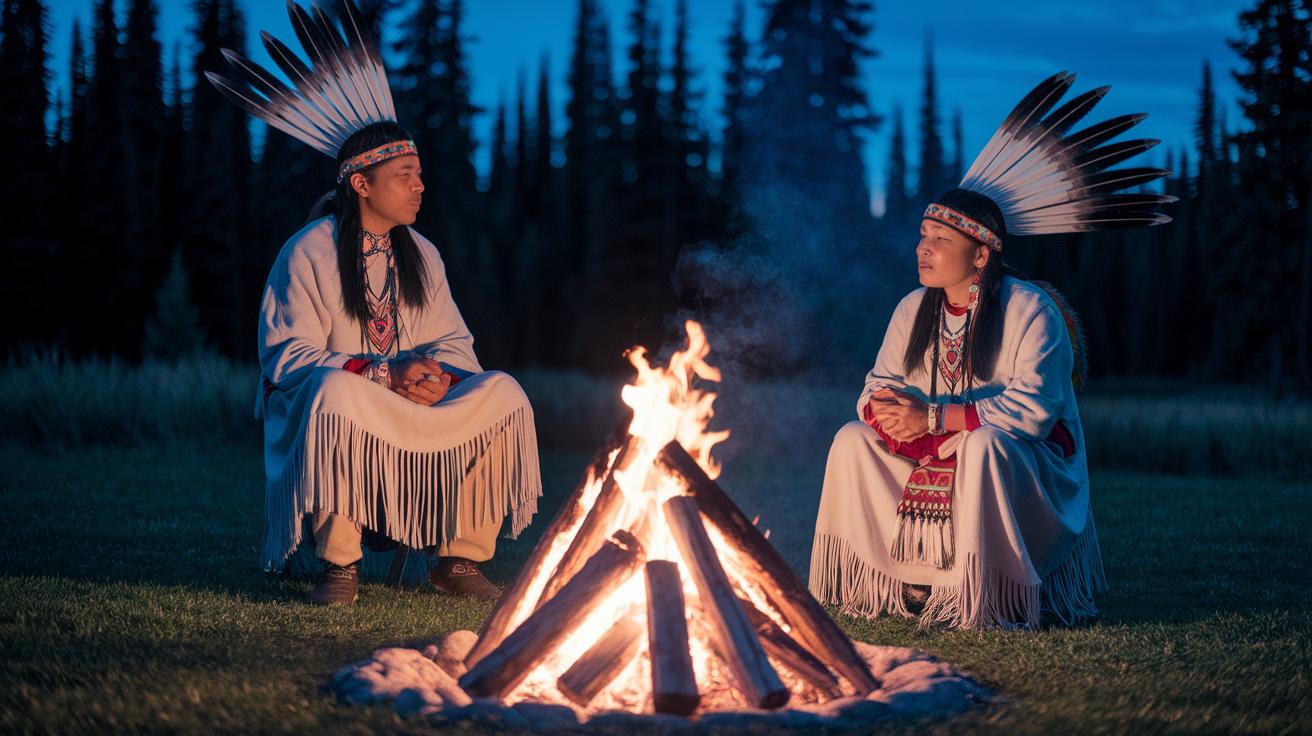
Native American communities have called North America home for over 10,000 years. Early peoples built their lives around the land, sometimes moving with the seasons and other times settling to farm. They developed rich traditions that celebrated nature’s rhythms and built a lasting bond with the environment. Their resilience paved the way for cultures that have adapted and persevered through countless changes.
European arrival brought drastic shifts. Colonizers forced many Native groups to migrate and adopt new ways, which damaged their social and cultural ties. Diseases, unfair trade, and harsh mission work further upset these communities, leading to widespread loss of land and the establishment of reservations. Now, with legal reforms and cultural revival efforts, many are rediscovering pride in their indigenous traditions.
| Period | Key Developments |
|---|---|
| Precontact (10,000+ years ago) | Nomadic and agrarian societies |
| Contact Era (15th–18th centuries) | Disease, trade, missions |
| 19th Century | Indian Removal Act, reservations |
| 20th–21st Century | Legal reforms, cultural revitalization |
Tribal Traditions and Customs in Native American Culture
Native American customs are built on strong community ties and caring for one another. Social life centers on shared responsibility, with elders passing along vital knowledge, language, and history. Rituals and ceremonies handed down through the years create a common identity for the people.
Family and Community Rituals
For Native Americans, family and community rituals form the foundation of everyday life. Naming ceremonies mark a new start by welcoming a person into the community. Rites of passage honor key life changes and show how people grow within their extended families. These events strengthen bonds and share values that guide each person. For example, a naming ceremony might involve family members telling stories that highlight their community’s beliefs and duties.
Ceremonial Dances
Ceremonial dances like powwows and war dances play an important role in uniting the community and connecting spiritually with nature. These dances are more than shows; they honor traditions and pay tribute to the natural world. Dancing expresses respect for the earth and celebrates the community’s strength. A lively powwow filled with steady drumbeats and dynamic movements reminds everyone of the enduring spirit behind these customs.
Storytelling and Oral Narratives
Storytelling keeps cultural memory alive. Elders pass on myths, folktales, and clan histories to teach lessons about respect, courage, and the balance between people and nature. These spoken traditions serve as a living record of ancestral wisdom, ensuring each generation learns what matters most. Every story is a thread in the larger fabric of community identity.
Indigenous Arts, Crafts, and Symbolism in Native American Culture
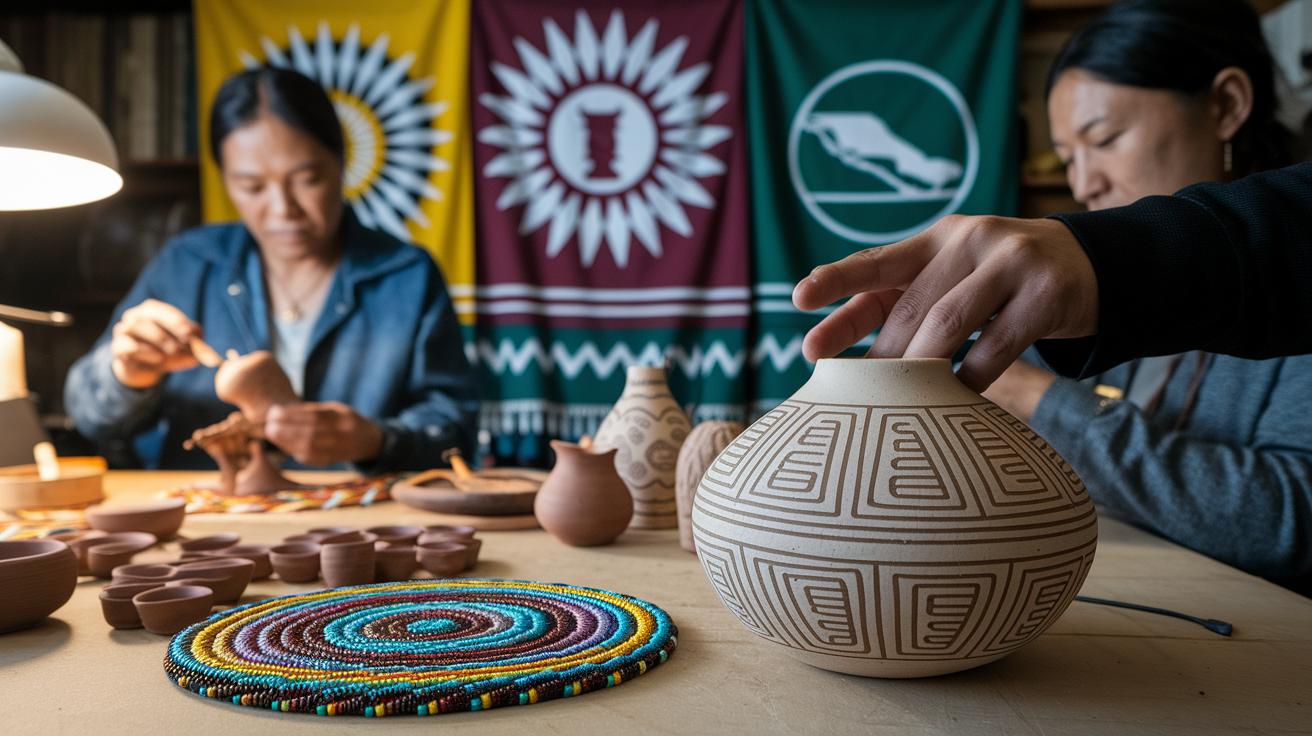
Native American art and crafts share deep stories of identity and community values. Artists draw on nature and spiritual beliefs to create works that range from Southwest Pueblo pottery to the detailed formline patterns of the Pacific Northwest. These methods not only produce striking pieces but also pass on generations of tradition and pride.
Symbols give these creations extra meaning. Items like beads, blankets, and quill-work celebrate clan identity and honor heritage. Nature-inspired motifs, animals, plants, and stars, offer a glimpse into spiritual practices and shared values. Every piece connects with ancestral stories and the living environment, guiding ceremonial events and public festivities.
- Pueblo pottery – hand-coiled ceramics with clear geometric designs
- Formline and Chilkat weaving – wood carving and cedar-root blankets
- Great Plains beadwork – colorful floral and geometric patterns
- Porcupine quill art – delicate quill embroidery on leather and clothing
- Tribal basket weaving – baskets made from river cane and sweetgrass
Each art form is a vital part of the cultural tapestry, proving the enduring legacy and creative spirit of Native American communities.
Spiritual Practices and Ceremonies in Native American Culture
Native American spirituality is built on a strong bond with nature and the belief that every part of the living world has a sacred spirit. Ceremonies like powwows, sweat lodge rituals, and Potlatch gatherings unite communities to honor both nature and their heritage. Long-held traditions such as the Lakota Sun Dance, which lasts several days, celebrate the connection between people and the earth. Sacred items like buffalo offerings, eagle feathers, and ceremonial drums carry deep meaning, guiding participants on their spiritual paths and strengthening community ties.
Ceremonial Music and Dance
Drums, songs, and choreographed movements form the heart of Native American ceremonies. At events like powwows and war dances, steady drumbeats inspire movements that honor nature and the spirits of ancestors. These gatherings are a mix of celebration and remembrance, where traditional songs recount historical events and personal stories. Dancers often use deliberate steps and rhythmic beats to echo tales of past heroes and defining moments in community life.
Healing and Shamanic Traditions
Native healing blends practical remedies with spiritual support. Sweat lodge ceremonies help people cleanse both body and mind through heat and prayer, while smudging rituals use burning herbs to clear away negative energy. Medicine people lead these sessions by combining herbal treatments with spiritual advice. Rooted in centuries-old practices, these healing rituals offer comfort and balance, keeping the connection between health and spirit strong.
Creation Myths and Symbolism
Oral stories about the origin of the earth, people, and natural elements are a cornerstone of Native culture. These creation myths explain natural events and weave important lessons into daily life. Simple symbols like the rising sun, flowing river, or soaring eagle remind listeners of life’s endless cycle and renewal. Through storytelling, each generation learns about the world’s beginnings and how every part of nature adds to the community’s vibrant existence.
Culinary Heritage and Food Practices in Native American Culture

Native American cuisine features staples like maize, beans, and squash. Known as the Three Sisters, these crops have fed communities for generations. Buffalo meat, wild game, berries, and nuts also play important roles by providing needed nutrition and a deep link to the land.
Traditional cooking methods come from a close connection with the environment and practical creativity. Open-fire roasting, pit cooking, and stone boiling turn natural ingredients into hearty, flavorful meals. These approaches teach resourcefulness and the value of skills passed down from elders.
Community harvest feasts bring people together through food and tradition. Seasonal gatherings allow families to share recipes and time-honored techniques. Local initiatives such as communal gardening help keep indigenous cooking methods vibrant and meaningful today.
Contemporary Cultural Revitalization and Challenges in Native American Culture
Across communities, native traditions are being celebrated and revived. Local schools, museums, and traditional camps launch projects to bring back indigenous languages, arts, and education. Programs such as Running Strong for American Indian Youth help young people reconnect with their heritage, build strong native language skills, and learn traditional crafts. Elders share important stories and traditions, enriching the cultural tapestry.
Food projects are also playing a key role in community health. These efforts support community gardens and the return of traditional diets, empowering residents to reclaim healthy practices. In addition, access to healthcare that respects cultural practices helps both body and mind. Together, these programs boost community spirit and preserve unique culinary traditions.
Yet, challenges remain. Many native communities face gaps in education and ongoing poverty. Local leaders say it’s vital for non-Native allies to offer respectful, ethical support while honoring tribal independence. By forming fair partnerships, everyone can help protect native rights and culture. With mutual support and trust, communities can overcome hardships and keep their traditions alive.
Final Words
In the action, native american culture comes alive through ancient origins, oral storytelling, and vibrant art. The blog covered deep historical roots, powerful spiritual practices, and cherished culinary traditions. It also highlighted traditions passed by elders and modern efforts that keep the culture thriving. Each aspect, from ceremonial dances to community feasts, shows how traditions continue to shape daily life. Enjoy exploring these varied components that make native american culture a dynamic, living heritage full of promise.
FAQ
What are Native American culture and traditions known for?
The Native American culture is known for its deep connection to the land, oral storytelling, vibrant rituals, and communal practices that pass down ancestral values and maintain community unity.
How does Native American clothing reflect tradition?
Native American clothing reflects tradition through handcrafted garments, intricate beadwork, and symbolic patterns that honor heritage, express identity, and mark cultural celebrations.
What are some examples and facts about Native American culture?
Native American culture includes diverse artistic forms, community rituals, and rich oral histories. Facts highlight the enduring impact of ancient traditions, spirituality, and creative expression across tribes.
How is Native American food unique?
Native American food is unique for its use of staple ingredients like maize, beans, squash, and wild game, prepared using traditional techniques such as open-fire cooking and communal harvest feasts.
How do Native American culture groups vary by region?
Native American culture groups vary by region, with tribes like the Pueblo in the Southwest and Great Plains communities developing distinct languages, customs, and traditions based on their natural surroundings.
What is the history of Native American culture?
Native American culture history spans thousands of years, featuring early settlements, rich oral traditions, and resilience through periods of colonization, adaptation, and ongoing cultural revitalization.
What are the five Native American cultural regions?
The five commonly recognized regions include the Plains, Southwest, Southeast, Northeast, and Northwest Coast. Each region features unique traditions, societal practices, and artistic expressions distinctive to its environment.
What do Native American beliefs emphasize?
Native American beliefs emphasize harmony with nature, respect for ancestors, and spirituality rooted in oral tradition, focusing on community values and a reciprocal relationship with the earth.
What are two well-known Native American cultures?
Two well-known Native American cultures are the Navajo of the Southwest and the Iroquois of the Northeast, each distinguished by their unique languages, rituals, and enduring traditions passed through generations.