
Have you ever wondered if a nomadic life means you never have a fixed home? Think again. Today’s digital wanderers mix old survival skills with the freedom of modern work. They swap heavy belongings for a simple backpack and turn everyday spots into efficient offices. This new view changes what we understand as home, a moving story of flexibility and freedom. Here, we explore how blending age-old instincts with modern tech is reshaping our work and lifestyle.
nomadic lifestyle meaning: Fresh Modern View
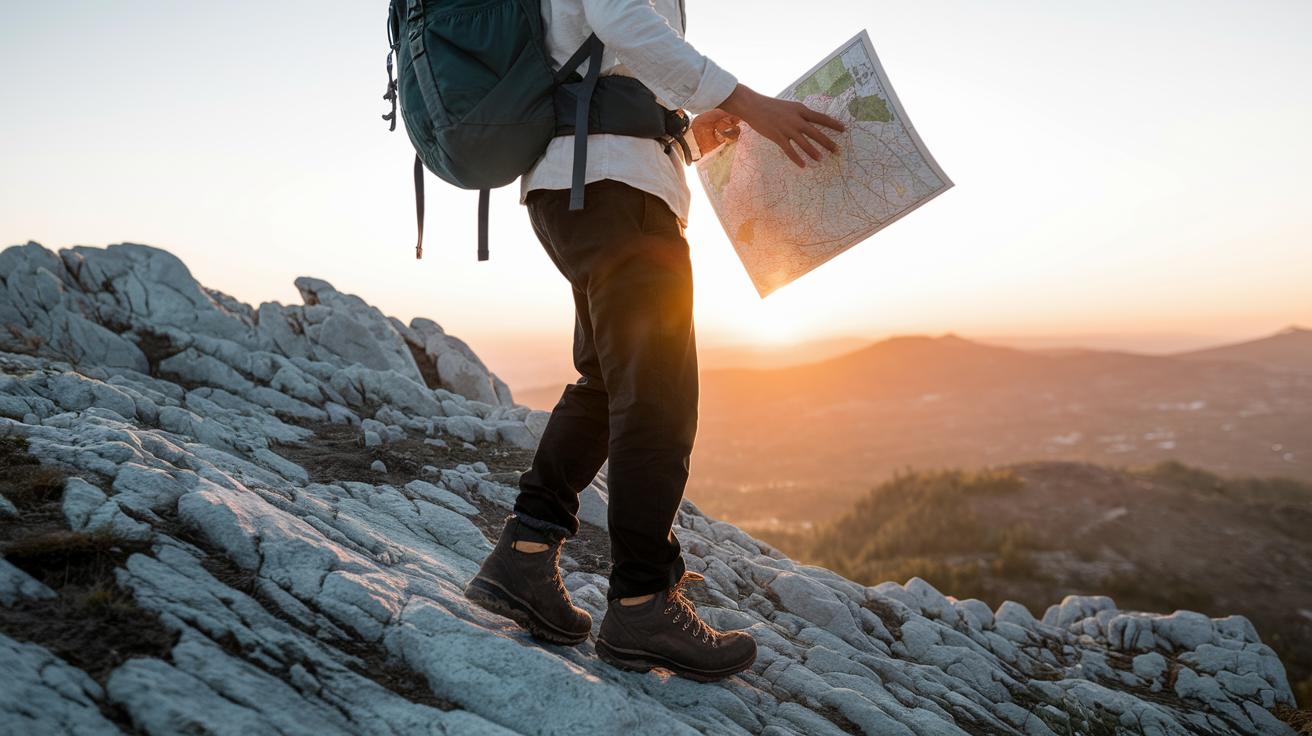
Nomads once roamed wide landscapes in search of food and shelter. They moved with nature to survive. Today, digital nomads follow a similar path by working remotely from places like beaches, mountains, and busy cities. This change shifts how people think about home and movement.
Digital nomads keep their lives simple with steady income from remote work or passive income sources. They pack light, often just a backpack or small suitcase, which cuts costs and clutter. This minimal approach lets them explore freely without extra burdens.
Both traditional and digital nomads value flexibility and a readiness to adapt. They see change as a chance to learn and grow. Their modern spirit blends age-old survival instincts with today’s innovation, turning every journey into a quest for new experiences and personal growth.
Historical Roots and Evolution of Nomadic Living
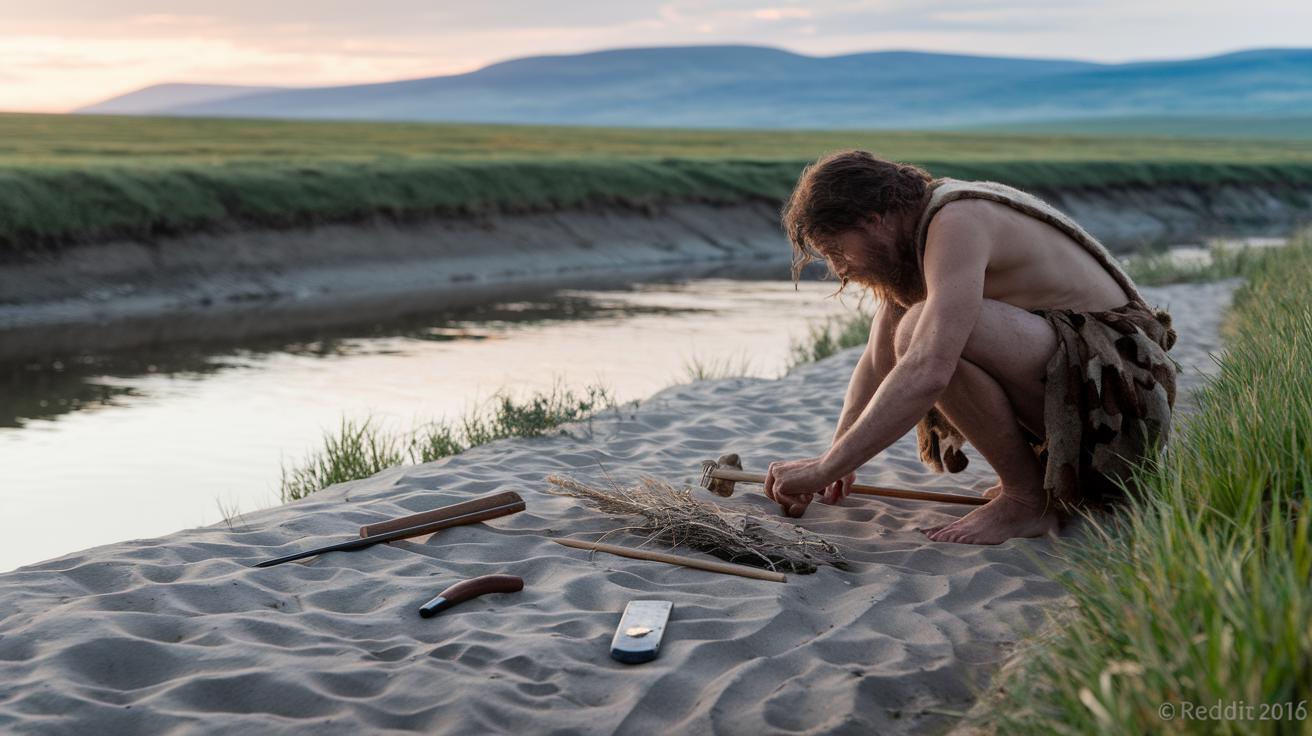
Early humans roamed the land during the Paleolithic era, always on the move in search of food, water, and shelter. They left behind trails that show just how far they traveled with very few belongings, relying on nature to provide what they needed. This simple, survival-driven way of life set the stage for a tradition of movement that still influences some cultures today.
Later, pastoral nomads developed seasonal patterns across regions from Central Asia to North Africa. Their lives followed the rhythm of the land, moving animals to fresh grazing areas and water sources. Some groups even blended farming with periodic moves, showing a flexible approach to work and sustenance. This mix of farming and roaming highlighted how shifting habitats became a natural part of daily living.
Even as some groups began to settle, mobility never completely disappeared. Medieval caravan traders and part-time herders kept links between distant communities, proving that movement and stability can go hand in hand. This evolution shows that while some nomadic paths led to fixed homes, many people still choose a life on the move, mixing both tradition and modern opportunities.
Traditional Nomadic Cultures and Practices
Nomadic peoples have thrived for centuries by adapting to harsh environments. They move with the seasons, following well-known routes to find water and grazing for their animals. Groups like the Maasai in East Africa, Bedouins in the Arabian deserts, Mongolian herders, Roma communities in Europe, and the Sami in Arctic Scandinavia clearly show how resourceful and resilient these cultures are. Their ways of life, passed down through many generations, reveal a deep bond between survival and movement.
| Culture | Region | Primary Practice |
|---|---|---|
| Maasai | East Africa | Livestock herding |
| Bedouins | Arabian deserts | Pastoral herding |
| Mongolian herders | Central Asia | Nomadic livestock keeping |
| Roma | Europe | Itinerant lifestyle |
| Sami | Arctic Scandinavia | Reindeer herding |
These communities mix subsistence with trade by adjusting their herd sizes and land use as the weather changes. Their seasonal journeys ensure that animals get enough to eat and water to drink. Through shared traditions and strong family ties, nomads keep their cultural identity alive even in tough conditions. Their lifestyles matter today because they show us smart ways to live in balance with nature.
Modern Digital Nomadic Lifestyle Variations

Digital nomadism means you can work from anywhere as long as you have a laptop and good internet. Today’s setups let people work remotely through online platforms or by earning passive income. Nomads can choose the lifestyle that suits them best, from traveling in converted vehicles to staying in budget spots along the way.
Van Life
Van life is all about turning vans or RVs into both a home and a workspace. People live out of their vehicles, packing only the essentials. They work on the move by setting up at scenic stops or using coworking spaces. Imagine parking near a quiet beach, firing up your laptop to meet a deadline while soaking in nature.
World Traveling
World traveling is when nomads choose low-cost countries to get the most out of their money and enjoy a slower pace of travel. By staying longer in affordable spots, they get to experience local cultures up close while balancing city life with rural retreats. This way, remote workers can adjust their routines to fit local lifestyles.
Hostel Hopping
Hostel hopping helps keep costs low and builds a sense of community. Nomads pick dorm rooms or private spaces in hostels to save money and meet other travelers. It’s a great option for those who enjoy socializing and exchanging work tips and travel hacks in lively common areas.
Housesitting
Housesitting swaps home care for free lodging, allowing nomads to explore new areas without high hotel costs. This option works well for those who are happy to take care of tasks like pet feeding or plant watering while enjoying their new surroundings.
Digital nomads count on reliable services to make their lifestyle work. They use practical insurance, tax tools, and steady Wi-Fi. Flexible coworking spaces also help them stay productive and manage daily tasks while on the move.
Pros and Cons of a Nomadic Existence
Living remotely gives you the freedom to set your own hours and choose inspiring work spots like quiet cafés or scenic parks. Nomads dive deep into local cultures by living in different parts of the world, gaining firsthand experience of local customs and traditions. This lifestyle sparks personal growth as you connect with diverse communities and fresh ideas. Working remotely also fuels creativity and balance, blending work with travel for a productive yet varied life.
On the flip side, being away from family and longtime friends can be emotionally tough. Frequent moves might lead to feelings of isolation, and budgeting becomes key, especially in expensive places. Spotty internet can even disrupt important tasks. To overcome these bumps, many nomads rely on local cafés or coworking spaces for steady connectivity and a supportive work environment. They also plan ahead and lean on online networks to even out the travel strains.
Practical Tips for Adopting a Nomadic Lifestyle

Living the nomad life means planning ahead and staying flexible. To help your remote lifestyle run smoothly, try a few practical strategies for both everyday tasks and long-term plans. Here are six simple tips to keep you organized on the go:
-
Pack smart: Use a light suitcase and a backpack with multipurpose gadgets like a tablet and power bank. Many seasoned nomads pack only a carry-on and backpack, which cuts stress and boosts freedom.
-
Stay online: Find reliable Wi-Fi spots by checking local cafés and coworking spaces wherever you land.
-
Control costs: Save money by picking budget-friendly spots and asking for discounts when you book longer stays in hostels or rental homes.
-
Connect with others: Join travel forums, RV clubs, or housesitting groups to meet fellow nomads who can offer support.
-
Get the right insurance: Rely on providers who specialize in travel and remote living to keep your health and insurance matters in check.
-
Simplify taxes: Set up a system to handle your tax paperwork so it doesn’t slow you down on the move.
Keep these tips handy as you explore life on the road. They give you clear steps to stay organized and connected as you embrace a nomadic lifestyle.
Final Words
in the action, we broke down what it means to live a nomadic existence, from ancient movements to today's digital nomad trends. We looked at traditional roots, modern shifts, and practical tips for managing work and travel on the go. Each section brings clarity to the nomadic lifestyle meaning while highlighting both its benefits and challenges. This brief guide offers a clear picture of life on the move, encouraging adaptability, personal growth, and a positive outlook on exploring new horizons.
FAQ
What is meant by a nomadic lifestyle and what does nomadic living mean?
A nomadic lifestyle means moving frequently without a permanent home. Traditional nomads traveled for food and resources, while modern nomads often work remotely with minimal possessions and high adaptability.
What is the historical background of nomadic lifestyles and who were nomads in history?
Nomadic lifestyles trace back to ancient hunter-gatherers and pastoral societies. Historical nomads moved to access food, water, and grazing lands, paving the way for migratory cultures across many regions.
What does a semi-nomadic lifestyle entail?
A semi-nomadic lifestyle involves a mix of movement and settlement. Groups following this model relocate seasonally for resources while maintaining periods of stability in one area, often for farming or community ties.
What are some synonyms for a nomadic lifestyle?
A nomadic lifestyle can also be described as itinerant living, a migratory existence, or roaming living. Each phrase highlights constant movement and flexibility in choosing living locations.
How does the modern nomadic lifestyle differ from traditional practices?
The modern nomadic lifestyle often relies on technology for remote work, allowing individuals to travel while maintaining a career. This contrasts with traditional nomadic practices that were primarily focused on following natural resources.
How can one describe a nomadic life in an essay?
A nomadic life essay outlines the shift from ancient resource-driven movement to tech-enabled remote work. It compares differing lifestyles, explores cultural impacts, and highlights the benefits and challenges of constant mobility.
Is a nomadic lifestyle healthy?
A nomadic lifestyle can be healthy if well-planned. It offers flexibility and cultural exposure, but also presents challenges such as inconsistent access to regular healthcare and social support, requiring careful lifestyle management.