


Can solid data save lives? Health research uses facts to take action that protects us.
Researchers gather information with surveys and simple math (biostatistics shows patterns in numbers) to find problems like poor nutrition and long-term illnesses.
They ask hard questions and deliver answers we can count on. In short, health research helps build smart fixes that make a real difference.
Public Health Research Essentials: Methodologies and Evidence-Based Practices
Public health research uses proven methods to tackle challenges like poor nutrition, chronic illnesses, maternal deaths, and antibiotic resistance worldwide. Researchers use study designs from epidemiology (the study of how diseases spread and affect communities) to gather important data. For example, a cross-sectional survey collects health details from different communities so experts can quickly see where help is needed.
Biostatistics plays a key role by turning raw data into numbers and models that predict health outcomes. A research team might use these models to estimate how likely a disease is to spread, ensuring that intervention plans are backed by solid evidence.
Evidence-based program design takes findings from scientific studies and transforms them into real-world actions that improve population health. Health policies are built on guidelines that have been carefully reviewed for quality, using methods like cohort or case-control studies. This rigorous process helps ensure that the programs launched are both efficient and effective.
Imagine starting a program to reduce childhood obesity using clear trends from a large survey. By combining accurate epidemiological data, smart biostatistics, and thorough reviews, public health research turns theory into life-saving action, proving that solid data leads to effective decisions.
Epidemiological Study Design and Biostatistics Applications in Public Health Research

Standard designs like cross-sectional, cohort, and case-control studies help us spot early health needs and quickly gauge risk. These methods give a fast look at community health and set the stage for deeper analysis.
New statistical tools such as multilevel regression and time-to-event models dig into subtle details in local health data. For instance, a time-to-event model shows how long it takes for different groups to start showing symptoms after exposure. Picture a study that tracks patient recovery in various neighborhoods, revealing small but important differences.
Mixed-method studies blend hard data with real community voices. Combining survey numbers with firsthand feedback helps uncover practical challenges. Imagine pairing vaccination rates with a resident’s remark about long clinic wait times to expose gaps in access.
Longitudinal studies follow health trends over time instead of offering just a one-time snapshot. By looking at shifts and long-term effects of interventions, these studies help shape better public health programs as community needs change.
Emerging Trends and Challenges in Global Public Health Research
Researchers are focusing on topics like tracking COVID-19 variants, studying air quality and its effects on health, and understanding how climate change alters disease patterns. They are also looking at gun violence, maternal and child health equity, and racial disparities. These issues call for a global view that covers both busy urban centers and quiet rural areas. New models are being developed that factor in environmental conditions and social challenges.
Efforts to prepare for outbreaks are ramping up. Health experts are refining surveillance systems and early warning methods. They share data, best practices, and lessons learned to improve readiness. For example, environmental studies show how long-term exposure to poor air quality affects community health, paving the way for better policies to protect vulnerable groups.
Researchers use global health checks to monitor conditions everywhere, ensuring that cities and rural areas get the attention they need. Key steps in their work include:
- Using data to set up effective early warning systems
- Strengthening community-level monitoring efforts
- Combining hard numbers with local insights
This mix of solid research and on-the-ground observations helps shape strategies that improve outbreak preparedness and address challenges in both urban and rural settings.
Evaluating Public Health Interventions and Policy Impact

Evaluating public health efforts starts with clear steps and reliable methods to check results. Experts study vaccination outcomes, behavior change strategies, and nutrition effects to see what works. They measure program results and social factors to offer insights that guide policy decisions in communities.
One popular approach uses structured protocols that include policy briefs, fact sheets, and reviews of gathered evidence. These documents provide decision-makers with clear metrics from outcome measurements. For example, workplace health studies often rely on these methods to check job risks and long-term benefits for workers.
Evaluation techniques help review health programs from planning to execution. Analysts compare initiatives by measuring their impact on key factors. When reviewing a smoking cessation campaign, for instance, data on behavior change and local outreach is essential. This step-by-step method helps refine public policies.
Effective policy evaluation depends on regular data checks. Officials use both personal feedback and number scores to track progress. By comparing changes in health outcomes over time, they can show real benefits.
Frequent reviews using these methods keep strategies flexible for new challenges. By reassessing established programs with a focus on clear policy impact, leaders pinpoint areas that need improvement. This process demonstrates a strong commitment to making public health efforts more effective and sustainable.
Data Resources, Collaboration, and Professional Development in Public Health Research
Public health research relies on key resources to turn raw numbers into workable strategies. Tools like policy briefs, fact sheets, and data repositories provide a solid base for designing evidence-based programs. For example, a fact sheet full of community health statistics might set off a new vaccination drive, showing how clear data sparks real change.
Digital platforms such as videos, the Public Health Buyers Guide, and the Equity Resource Navigator offer added, integrated data solutions. They break down complex numbers, giving field teams practical insights for fast decision-making.
Collaboration is the engine of progress. Local and global partners work together through joint degrees and interdisciplinary programs, mixing academic ideas with hands-on experience. Experts also connect with community leaders and policymakers through structured engagements, like meetings where researchers share early findings to help shape urban health projects.
The academic community in this field is both large and diverse. It includes 35 degree tracks, 150 executive courses, nearly 500 faculty members, over 100 research scientists, and a 16,000-member alumni network. This vast network spreads academic work widely and quickly.
Professional pathways are strong. Researchers can boost their careers with internships, jobs, and fellowships that combine study with practical work. Tailored courses and networking opportunities help emerging professionals build skills and rise in the field.
- Using policy briefs to drive new strategies
- Engaging stakeholders in community projects
- Leveraging integrated data solutions for rapid insights
Case Studies Demonstrating Public Health Research Impact
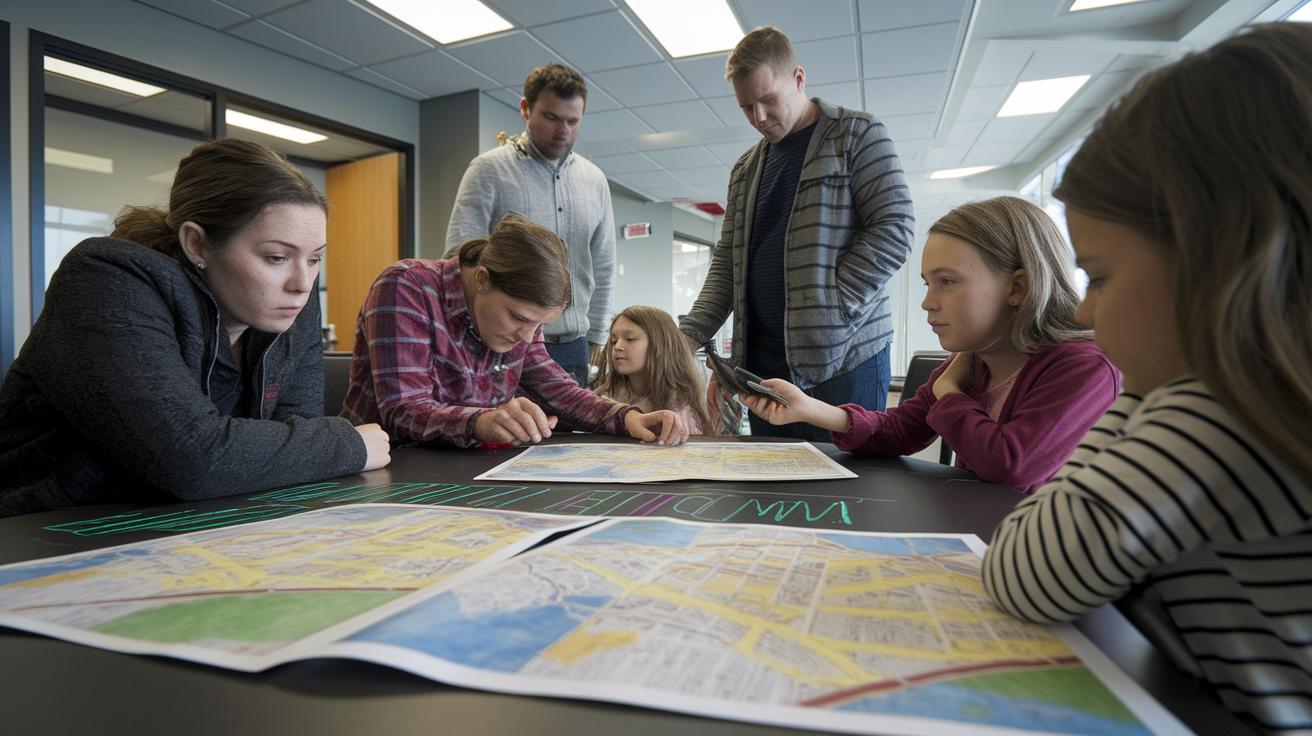
At Tulane, researchers tracked lead exposure in children by studying neighborhood data. They pinpointed high-risk areas and acted quickly with local care programs. Their work not only lowered lead levels in exposed children but also improved daily life by reducing chronic conditions linked to heavy metal exposure.
Studies on race-based health differences have uncovered key insights. By comparing outcomes in different communities, researchers were able to see how illnesses spread and then adjust local response programs to stop outbreaks before they grew.
In Peru, cervical cancer prevention programs have reshaped maternal and child care research. Working closely with local clinics and using detailed screening information, researchers fine-tuned public health strategies. This community-based approach has helped lower cancer risks.
In Ethiopia, women’s health projects used strong local partnerships to keep track of diseases in vulnerable groups. Likewise, efforts in Latin America to control dengue fever leaned on community input. These examples show that research grounded in real-world settings can guide policy changes and make a real difference in public health.
Final Words
In the action, public health research tackles challenges like nutrition, disease, and environmental hazards with robust study designs and data analysis.
Researchers blend epidemiological methods with biostatistics to evaluate interventions and shape policy.
Field advancements drive collaboration and professional growth through shared data tools and case studies.
These insights bring measurable improvements to communities and build stronger health systems.
A focus on evidence-based practices in public health research continues to guide effective decision-making and creates a brighter, healthier future.
FAQ
What are public health research opportunities?
Public health research opportunities involve work in academic, government, and private settings studying population health, disease patterns, environmental risks, and policy impacts to improve community well-being.
What is the Public Health Research journal and its impact factor?
The Public Health Research journal publishes studies on community health. Its impact factor measures the frequency of citation, which reflects the journal’s influence within the research community.
What does a public health research salary look like?
A public health research salary varies based on education, experience, and the work setting, with competitive earnings found in government, academic, and private sectors.
What are some examples of public health research?
Public health research examples include studies on chronic disease, nutrition, infectious outbreaks, and environmental risks using designs like cross-sectional, cohort, or case-control to inform policies.
What is public health research?
Public health research studies factors that affect community health. It examines disease trends, environmental influences, and social determinants to develop strategies that improve public health outcomes.
What is a public health researcher?
A public health researcher investigates health issues in populations by analyzing data, using study designs and statistical methods to provide insights that shape health policies and programs.
What is an example of research in public health?
An example of research in public health is evaluating a vaccination program by comparing disease rates before and after the intervention, guiding best practices for disease prevention.
What are the 4 P’s of public health?
The 4 P’s of public health include prevention, promotion, protection, and preparedness. They frame the approach to reducing risks, improving health promotion, securing safe conditions, and planning for emergencies.