
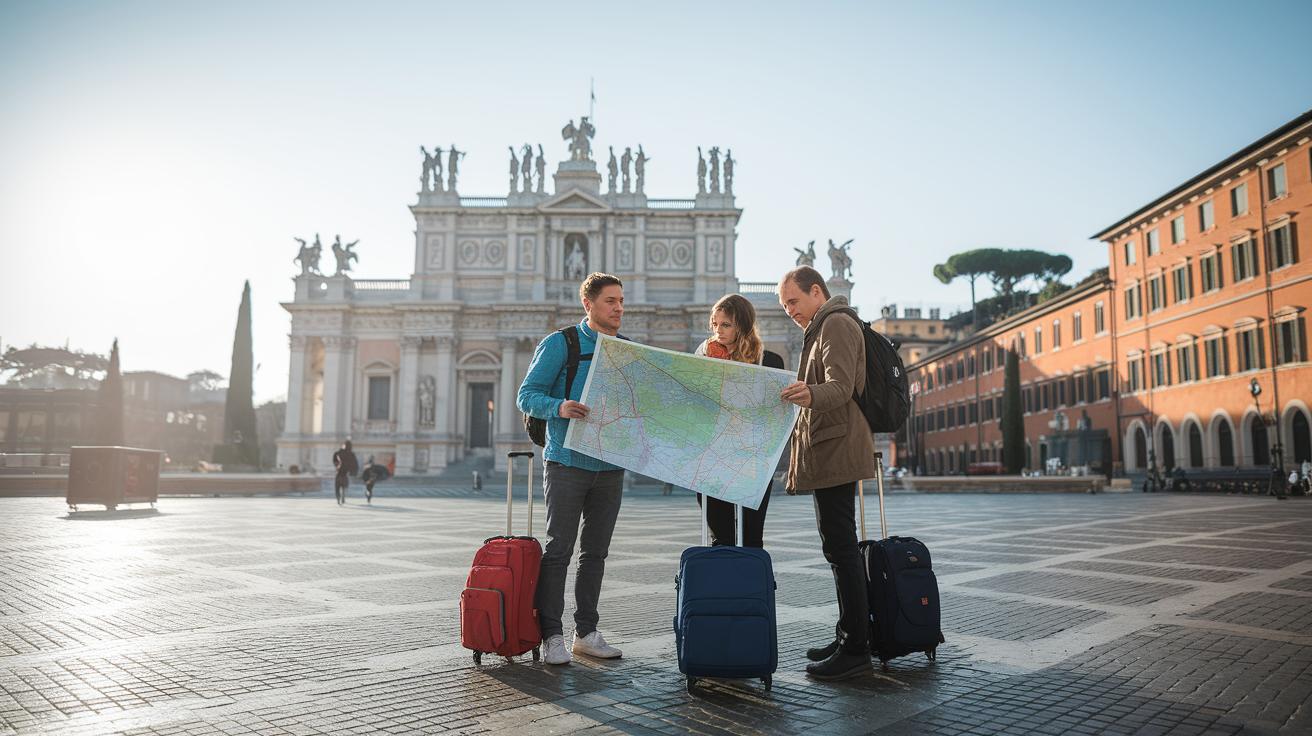

Planning an Italian getaway? The U.S. State Department advises keeping an eye on local updates since Italy is under a cautionary alert.
Make sure to sign up for travel alerts and check on current entry rules before heading out. These simple steps help you stay informed and travel with confidence.
Travel Advisories for Italy: Current Alerts & Risk Levels
The U.S. State Department has set Italy at Level 2: Exercise Increased Caution. Travelers should know that routine entry rules are in place. There is no COVID-19 test or quarantine required as of 2024, but local conditions may change quickly.
Visitors should check travel updates often. Signing up for the Safe Traveler Enrollment Program (STEP) is a great way to receive alerts. Also, look for guidance from Italy’s Ministry of Foreign Affairs and the Italian Tourist Board for the latest on entry rules, visas, and other details.
Here are a few tips to stay safe:
- Sign up for STEP before you leave.
- Check official government sites daily.
- Get travel insurance that covers all your needs.
- Ensure your passport and documents are current.
Keep an eye on local news and official updates during your trip. This careful approach will help you adapt fast to any changes and make your visit to Italy safe and enjoyable.
Travel Advisories for Italy: Entry Requirements & Electronic Authorization
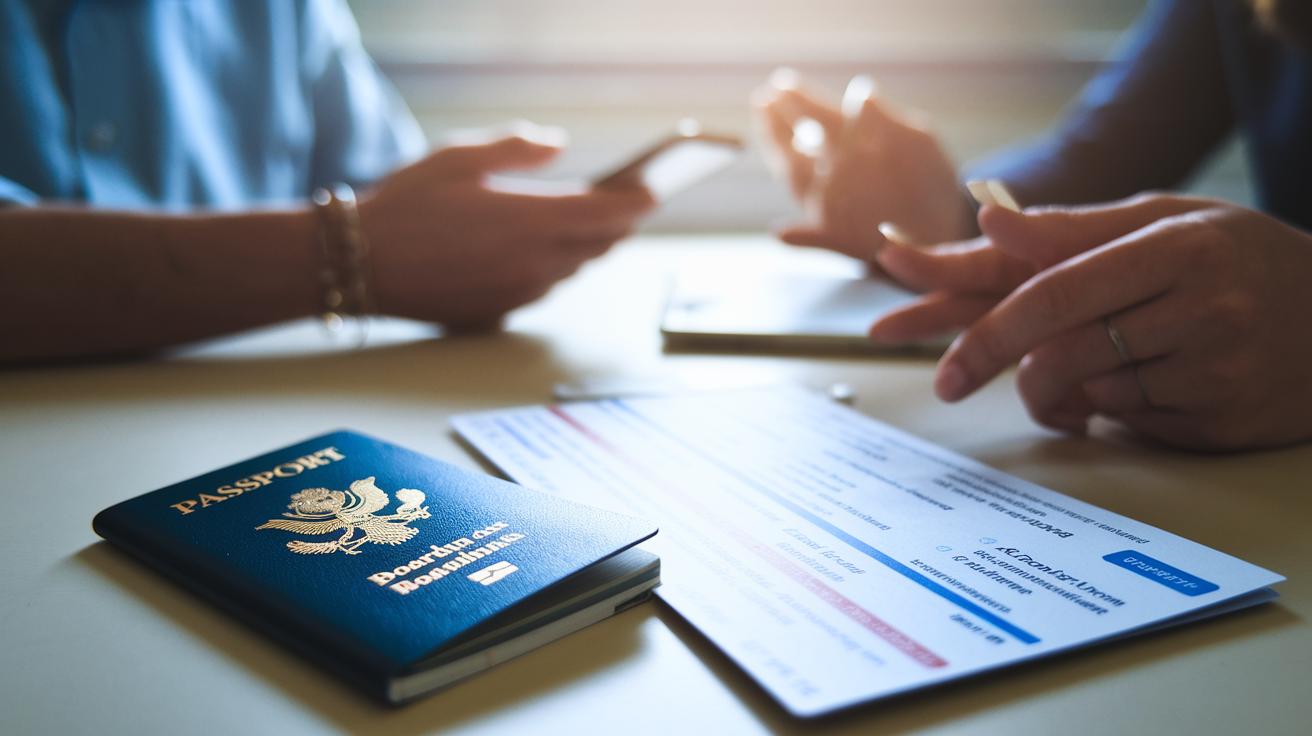
Italy welcomes visitors under normal entry rules. US, Canadian, Australian, New Zealand, and UK travelers can visit visa-free for up to 90 days within any 180-day period. Other travelers should be prepared to show where they’ll stay, a return ticket, and proof they have enough funds when they arrive.
ETIAS Travel Authorization
Beginning in late 2026, citizens from 63 countries must get an electronic travel authorization called ETIAS before visiting. You’ll need to complete an online form, pay a small fee, and wait for a clear approval. Once approved, the ETIAS will cover multiple trips over a fixed period. This new process is designed to speed up border checks while keeping travel secure.
EU Entry/Exit System (EES) Biometric Checks
Starting in 2025, the EU will roll out a system that uses biometrics. This means that all travelers, even those who usually don’t need a visa, will have their fingerprints and facial images taken. The EES will use this information to verify identities and improve border security. Strict privacy rules are in place to protect and securely store your biometric data.
| Nationality Group | Visa Requirement | Key Documents |
|---|---|---|
| Visa-Exempt Nationals | No visa | Passport, return ticket, proof of funds |
| Future ETIAS Countries | ETIAS required (once active) | ETIAS approval, passport |
| All Third-Country Nationals | Biometric data collected | Passport, fingerprint/face scan |
Travel Advisories for Italy: Health & Pandemic Safety Measures
Italy no longer requires COVID-19 tests or any quarantine on arrival. Travelers will go through regular health screenings at the airport without extra COVID-19 checks. This update helps speed up border processing while still keeping basic health measures in place.
Before you travel, it is advisable to have routine vaccinations such as tetanus and the seasonal flu shot. Simple actions like frequent hand washing also help you stay healthy abroad. Some airports might perform random temperature checks as part of their usual health screening.
It is smart to secure travel insurance that covers medical treatment and any pandemic-related changes to your trip. This additional coverage can help lower unexpected costs if you need medical care while traveling, giving you extra peace of mind.
Plan ahead:
- Pack your essential medications and a basic first-aid kit.
- Keep digital copies of your medical records.
- Wear masks in crowded indoor settings if you feel it is necessary.
- Stay updated with local health authority announcements.
- Confirm that your insurance policy covers trip interruptions due to illness.
Travel Advisories for Italy: Regional Warnings & Safety Tips
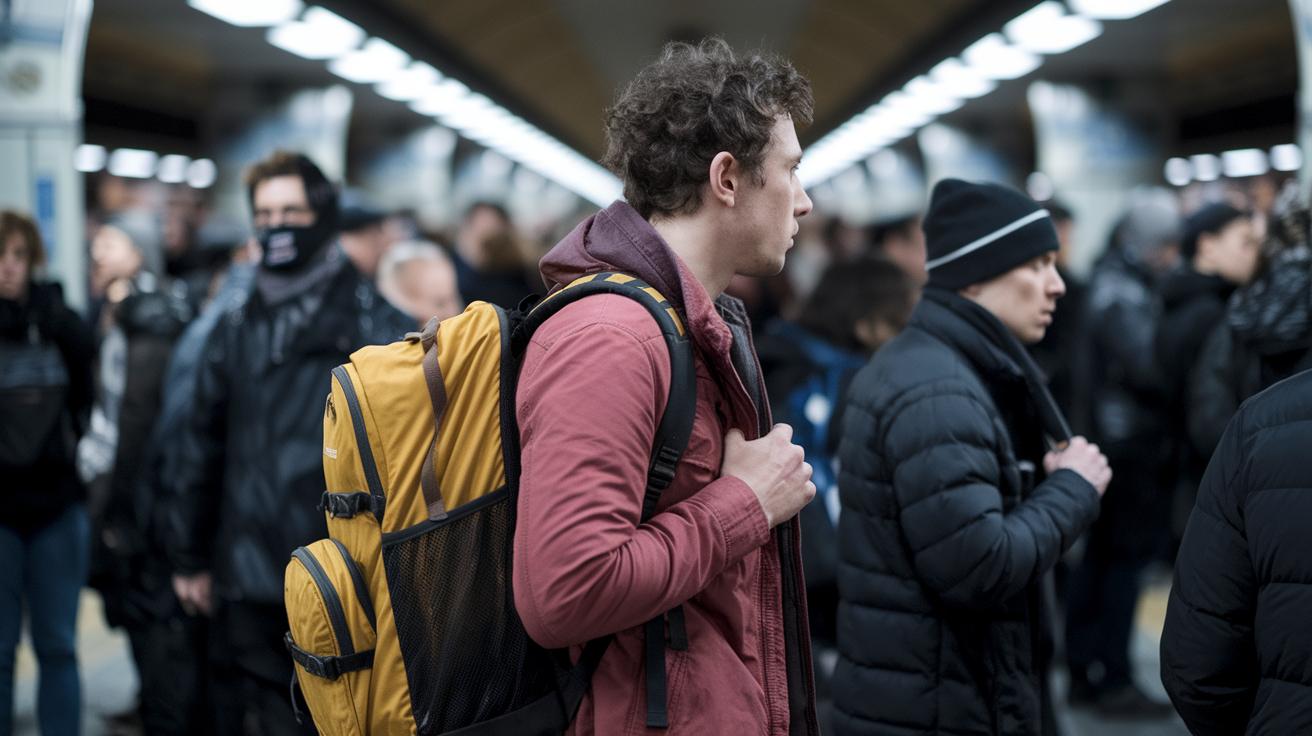
Rome & Urban Centers
Rome and other big cities see more petty theft. Pickpockets often target busy metro stations, especially during large events or protests near Rome and Venice. Keep your belongings close and stay alert in crowded places.
Northern Italy (Milan, Venice)
Northern cities like Milan and Venice have plenty to offer but call for extra care. In Venice, day-trippers must pay a tourist tax. Busy transit spots, like tram stops and stations, can be magnets for pickpockets. Stay aware of your surroundings and secure your items.
Tuscany & Central Regions
Tuscany and nearby central areas are generally safe, though driving on narrow rural roads can be challenging. Weather changes can make these roads tricky. Check local forecasts before heading out on a road trip to avoid surprises.
Southern Italy (Naples, Calabria)
In southern Italy, including Naples and Calabria, watch out for scams and unlicensed cabs, especially after dark. Stick with licensed transport and well-lit routes. Keeping up with local updates can help you avoid areas with weak oversight and stay safe on your journey.
Travel Advisories for Italy: Consular Support & Insurance Resources
National consular services and dependable insurance make traveling in Italy easier. When protests broke out in Rome, STEP members received prompt security alerts and clear consular advice that helped them steer through the chaos. A solid travel insurance plan that covers emergencies like sudden medical evacuations or trip cancellations gives you extra financial safety.
• Register with STEP and your home-country consulate
• Bookmark the Italian Ministry of Foreign Affairs travel pages
• Compare policies that cover medical issues, cancellations, and pandemics
• Sign up for embassy email alerts and SMS notifications
Final Words
In the action, the blog post outlines Italy’s current safety measures and entry rules. It highlights the Level 2 caution, advises enrolling in STEP, checking official sites daily, securing solid travel insurance, and keeping updated documentation.
The article also reviews health guidelines and regional tips to help avoid risks in busy urban centers and quieter rural areas.
Following travel advisories for italy helps prepare you for a safe and confident trip. Stay informed and travel with peace of mind.
FAQ
Is it safe to travel to Italy right now, including from the USA, amid concerns like the Israel war?
The travel advisory rates Italy as Level 2, meaning increased caution is recommended. U.S. travelers should follow official guidance and stay alert to potential regional tensions.
What does the current Italy travel advisory for 2025 indicate for travelers?
The advisory means Italy remains safe if travelers take extra precautions. It urges enrollment in programs like STEP and regular review of official government and U.S. State Department updates.
Do I need an ETIAS to travel to Italy in 2025?
The ETIAS requirement does not affect U.S. travelers for short stays in 2025 but will apply to many nations after its activation from late 2026 as per updated EU guidelines.
What are the entry requirements and required documents for Italy travel?
Travelers need a valid passport, a return ticket, and proof of funds. Biometric data may be collected, and enrollment in consular alert programs such as STEP is advised for emergency updates.
What are the current issues and safety challenges in Italy?
Italy faces challenges like petty theft in major cities and regional condition alerts. Travelers should be mindful of safety concerns in urban areas and follow local news for the latest warnings.
How does Italy rank in safety compared to countries with Level 4 travel advisories?
Italy is rated Level 2, indicating moderate risk, unlike Level 4 nations. The query on Level 4 advisories pertains to separate high-risk regions, so Italy remains a relatively safer destination.
What are the travel requirements for Italy beginning in 2026?
From late 2026, some travelers will need ETIAS authorization. Standard entry documents, including a valid passport and supporting travel documents, remain required as outlined by Italian authorities.