
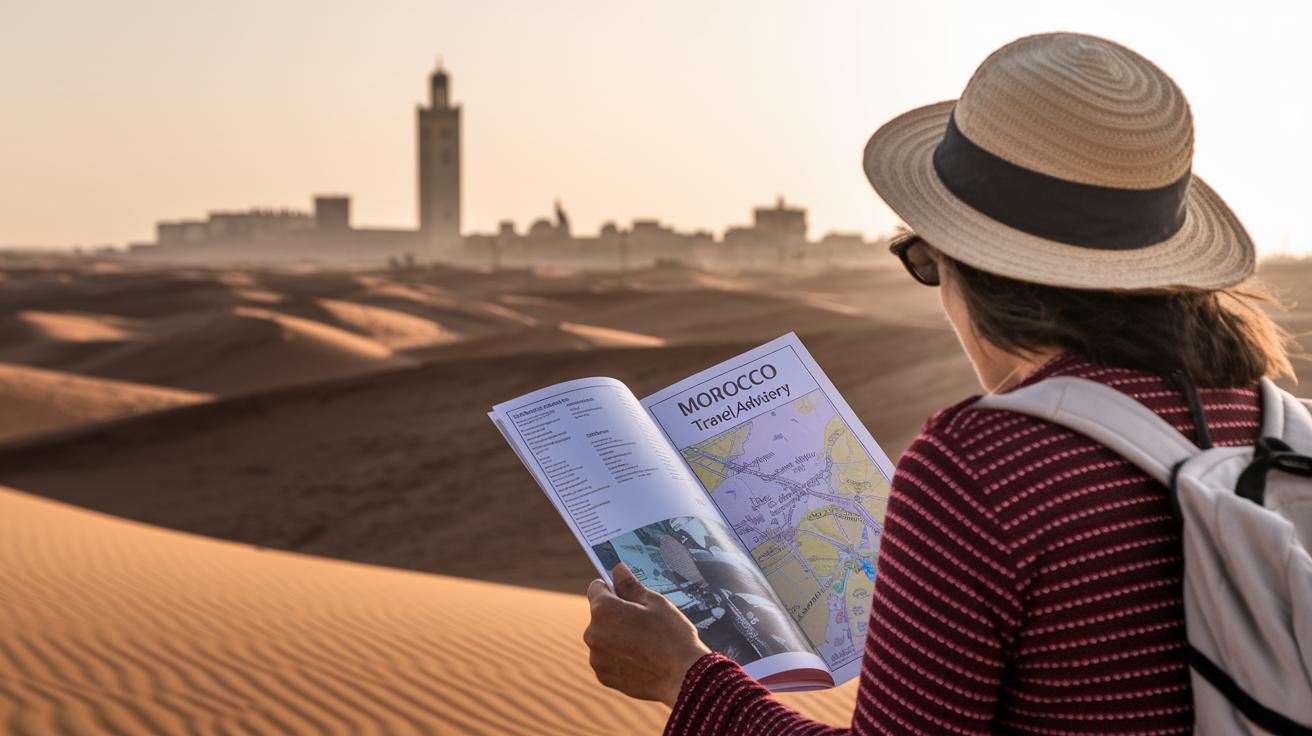

Planning a visit to Morocco? Stay alert, as government warnings suggest extra caution might be needed. Pickpocketing and scams have been reported in busy market areas, so keep your eyes open while exploring historic streets.
This guide shares the latest travel advisories and handy safety tips so you can enjoy Morocco with confidence. Learn about official warnings, local risks, and practical ways to protect yourself every step of the journey.
Current Official Travel Advisories for Morocco
Government agencies say travel to Morocco is safe as long as you take usual precautions. The U.S. Department of State currently issues a Level 2 warning for Morocco, meaning you should be extra careful. This warning is similar to those for France, Germany, and Italy, and highlights that problems mainly come from small scams and petty theft rather than serious criminal acts. Travelers should check official sites like the U.S. Department of State, the UK's FCDO, and the Government of Canada for updates.
Officials in the UK, EU, Canada, and Australia say that travel in Morocco is routine if visitors stay alert and follow local rules, especially in busy city areas. Risks include pickpocketing and encounters with unauthorized guides. Cities like Marrakech, Casablanca, and Fez benefit from strong police presence and developed tourism services, which help reduce these problems. Visitors are advised to keep a close watch on their belongings and follow local safety practices.
Also, check international entry rules. Reliable updates on visa exemptions, passport validity, and customs needs are available via government travel pages. By reviewing these details and keeping up with global alerts, visitors can stay safe while exploring Morocco’s rich cultural heritage.
Regional Security Advisories and Risk Updates for Morocco
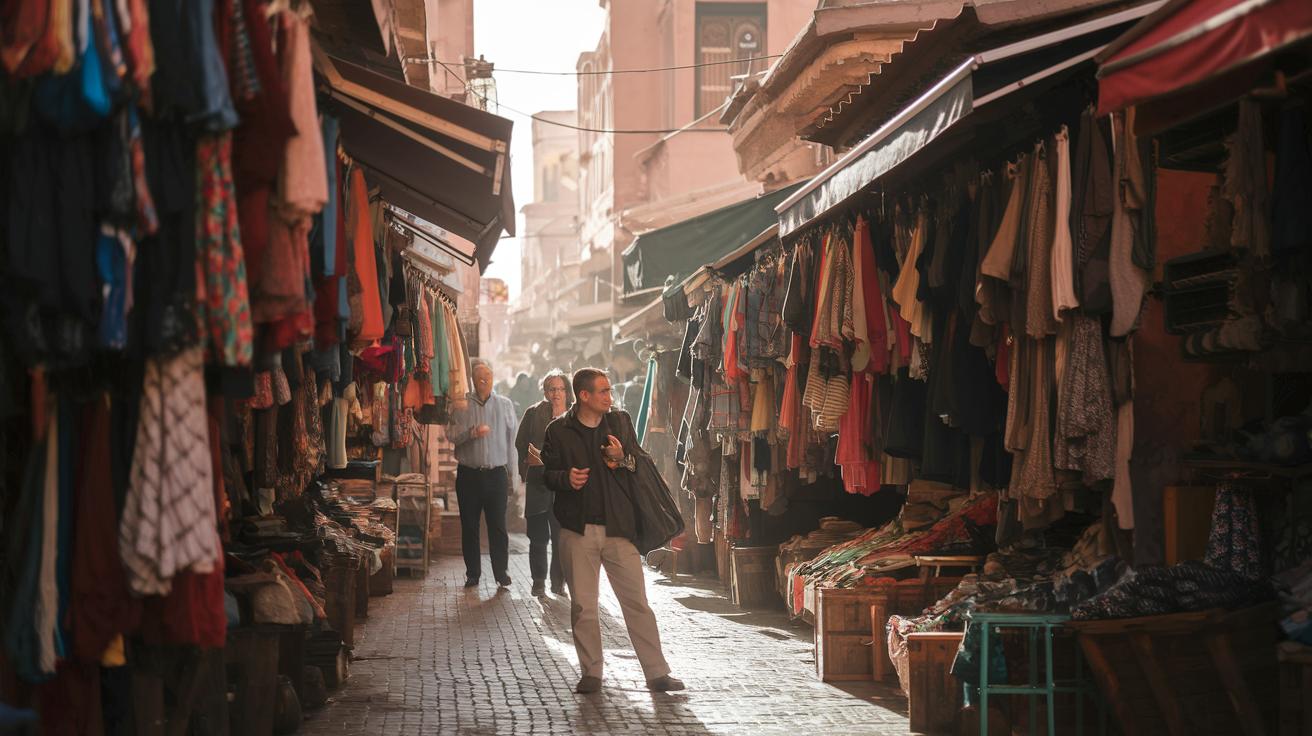
Travelers in Morocco need to watch out for minor crimes like pickpocketing and scams involving fake guides or offers of free services. These tricks are often seen in busy medinas and popular tourist spots. In cities such as Marrakech, Fez, Rabat, and Casablanca, the police help keep areas safe, but it’s still smart to stay alert. Imagine walking in a crowded market and having a very friendly local offer you a “free” gift that later comes with a hidden fee, it happens more than you might expect.
Violent crime is very rare due to strict gun-control laws. However, traveling on rural roads at night can be riskier, so it’s best to avoid them after dark. In the city, using Petit Taxis (small, color-coded cars with meters) is a safer choice. Keep a few small Dirham notes handy to avoid change problems. Hiring a licensed private driver is also a good idea to steer clear of scams and navigate busy areas safely.
Here are some simple safety tips:
| Safety Tip | Description |
|---|---|
| Carry Copies | Keep copies of important documents and save local emergency contacts. |
| Use Trusted Taxis | Stick with well-known options like Petit Taxis. |
| Book Licensed Tours | Arrange tours with recognized, licensed operators. |
| Avoid Isolated Roads | Don’t drive on remote roads at night. |
| Listen to Locals | Follow advice in crowded spots to avoid pickpocketing. |
Major cities remain secure with a visible police presence and strong public services. Although government assessments show that the risk of terrorism is low, it’s wise to check for the latest updates on local security before traveling.
By following these clear guidelines and staying informed, visitors can reduce their risk and enjoy Morocco’s vibrant culture with confidence and ease.
Health Advisories and COVID-19 Travel Measures for Morocco
Travelers to Morocco need to follow new entry rules. You must show proof of vaccination or a negative PCR or antigen test. If you aren’t vaccinated, you might have to undergo quarantine when you arrive.
Food and water safety is still very important. Pick meals that are hot and freshly made. Follow a simple rule: if you can’t peel it, boil it, or cork it, then skip it. Avoid tap water and stick with sealed drinks. Think of it like choosing a snack from a vending machine – if it’s not sealed, don’t go for it.
Bringing hand sanitizer is a small but smart move in crowded places. Masks aren’t required but wearing one in busy spots can help lower your risk. Keeping extra masks and disinfecting wipes handy adds an extra layer of comfort while you travel.
Some visitors say it’s like a quick check of all your essentials before heading out. Stay updated with Morocco’s official health advice to keep your journey smooth during the pandemic.
Entry Requirements and Visa Travel Advisories for Morocco

Travelers heading to Morocco, here’s what you need to know. If you're from the U.S., EU, UK, or Canada, you can stay up to 90 days without a visa. Those from other regions must apply for one before traveling. Also, check that your passport remains valid for at least six months beyond your entry date, this is a firm rule.
When you arrive, be prepared for customs checks. Moroccan officials require you to declare any goods worth more than 10,000 MAD. Items like weapons and certain agricultural products are banned, so review what you can bring. Additionally, if you have electronics or cash worth over 30,000 MAD, customs may ask for supporting paperwork.
For U.S. travelers, signing up for the STEP program is smart. It sends timely safety and entry updates. Plus, carrying a copy of your travel insurance can help smooth things over at border control. Think of your documents as the essentials you need for a safe journey.
Before you leave, run through this checklist:
- Verify your passport’s condition and expiration date.
- Confirm whether you need a visa based on your nationality.
- Gather your travel insurance documents.
- Prepare any paperwork for high-value customs declarations.
- Know which items are restricted.
Taking these steps will help keep your entry process smooth and stress-free, so you can concentrate on exploring all that Morocco has to offer.
Essential Travel Advisories and Practical Safety Tips for Morocco Visitors
Keep your travel documents safe by using a short checklist. Include your passport, visas, travel insurance, local money, and copies of important contacts. For example, jot down your embassy’s phone number along with local emergency contacts like police (190) and ambulance (150).
Plan your trip step by step. Make a list that includes details like your travel documents, emergency contacts, embassy information, local cash, and backup funds. This simple plan helps keep you organized and secure.
Dress respectfully when visiting medinas and rural areas. If you’re traveling alone or with a partner, stick to loose or longer clothes. In crowded markets, wearing longer skirts or dresses might help you avoid unwanted attention.
Be cautious about unsolicited offers. Turn down unexpected proposals for henna tattoos or bracelets unless they come from certified vendors. When booking desert tours or city transfers, choose reputable operators and steer clear of remote roads at night.
| Tip Category | Advice |
|---|---|
| Documents | Keep travel documents secure; use a pre-trip checklist |
| Itinerary | Plan details including emergency contacts and local currency |
| Attire | Choose modest clothing for medinas and rural areas |
| Scams | Avoid unsolicited offers; use licensed guides |
| Transport | Book reputable operators; avoid night driving on remote roads |
Forecasted Travel Advisories and Risk Outlook for Morocco 2025
A 2024 review found that Morocco remains a stable destination with low to moderate risks, maintaining a Level 2 advisory. For next year, travel rules are expected to stay much the same. Officials are watching the effects of the pandemic, but there are no plans for major new travel restrictions. Travelers should note that while overall safety looks steady, seasonal weather may play a role in their plans.
Key emerging risks include:
- Hot summer heat that might cause travel discomfort.
- Occasional flash floods that can disrupt local transport.
- Changing local weather conditions that may call for itinerary adjustments.
We recommend keeping an eye on official travel-alert feeds and using mobile alert apps for real-time updates. Regular updates from local authorities and the tourism industry can help travelers adjust to any changes. A safety review from 2024 gives confidence that Morocco's advisory level is not likely to change dramatically. In short, Morocco should remain a secure destination in 2025 for travelers who take standard precautions and monitor weather-related issues.
Final Words
In the action, the post mapped out key travel details for Morocco. It covered current government advisories and practical safety tips for exploring popular cities. The guide explained health measures, including COVID-19 protocols and essential visa and entry requirements. It also offered clear steps to navigate regional security risks and useful travel checklists for a worry-free trip. The piece provides a handy snapshot to help readers plan wisely while staying safe. Keep abreast of travel advisories for Morocco.
FAQ
What are the travel advisories for Morocco for U.S. travelers?
The travel advisories for Morocco for U.S. travelers indicate a Level 2 status, meaning caution is advised. U.S. citizens should review the latest guidance on the U.S. Department of State website before departing.
Is it safe to travel to Morocco right now?
Safety in Morocco remains generally high, but busy areas may see minor scams or pickpocketing. Visitors should stay alert, keep updated with current advisories, and use reputable local services for a secure trip.
What are some reasons not to visit Morocco?
Some travelers may avoid Morocco due to concerns about scams or regional inconsistencies in transport and services. Detailed planning and the use of trusted guides help mitigate these risks effectively.
What are the COVID-19 travel advisories for Morocco?
COVID-19 advisories require travelers to provide proof of vaccination or a negative test. Quarantine rules vary by vaccination status, so reviewing current entry protocols is essential before planning your visit.
What does a Morocco travel guide include?
A Morocco travel guide covers visa rules, passport requirements, local customs, safety tips, and key attractions. It provides practical advice to help travelers plan their itinerary and navigate the country with ease.
What is the current travel advisory for Marrakech?
The Marrakech travel advisory highlights a safe tourist environment, though visitors should be cautious of pickpocketing and unofficial guides. Using licensed taxis and reliable local contacts is recommended for added security.
What countries are under a level 4 travel advisory?
Level 4 travel advisories, indicating “do not travel” alerts, apply to destinations with very severe risks. Morocco is not among these; for a current list, check the latest updates from official government travel sites.
What is the safest part of Morocco to visit?
Safest areas in Morocco include major cities like Rabat, Marrakech, and Casablanca, which have strong police presence and well-managed tourist zones. Still, visitors should follow local safety tips for a worry-free visit.
Is Morocco friendly to the USA?
Morocco maintains strong diplomatic and economic ties with the USA, offering a welcoming experience for American travelers. The country supports easy entry procedures and reliable tourism services for U.S. visitors.