


Imagine planning your dream vacation only to face hidden risks. Governments around the world send out travel alerts that break safety into simple levels. These alerts show the difference between a routine trip and one that might need extra care. This guide explains what each level means and how staying informed can keep you safe as you explore new places.
Global Travel Advisory Overview
Global travel advisories are official guidelines that help citizens understand safety conditions in other countries. They cover risks like civil unrest, political demonstrations, and natural disasters. These advisories give travelers a clear picture of what challenges they might face abroad. In 2018, the United States switched from an old travel warning system to a four-level advisory system (Level 1 to Level 4) to show risk more clearly. Countries such as Canada, the United Kingdom, Australia, and New Zealand use similar systems. These updates change as conditions evolve, so travelers can plan their trips and stay safe.
It is important to know the three types of safety information:
- Travel Advisories
- Travel Warnings
- Travel Alerts
Travel advisories give regular updates on local conditions. Travel warnings point out destinations with higher risks that need extra care. Travel alerts tell you about sudden threats. Together, these tools help both tourists and expats quickly understand risks based on the latest advice from trusted government sources.
Breakdown of Travel Advisory Levels in International Advisories

Level 1 (Normal Precautions)
At Level 1, everyday precautions work well. Travelers should secure their belongings and respect local customs while exploring. In stable areas, these basic steps are usually enough to keep you safe.
Level 2 (Increased Caution)
A Level 2 advisory means you need to be more alert. Check local news regularly and adjust your plans if needed. Think of it as planning a route with a little extra care because small events might affect your journey.
Level 3 (Reconsider Travel)
When you see a Level 3 advisory, it is wise to rethink your travel plans. Serious security issues or extreme weather might disrupt your trip. Pause to decide whether to postpone the trip or pick another destination where conditions are safer.
Level 4 (Do Not Travel)
A Level 4 advisory is a strong warning to stay home. Conditions like civil unrest or dangerous weather make travel too risky. It is best to wait until the situation improves before planning any trips.
Accessing and Monitoring Current Global Travel Advisories
Government websites are your go-to source for real-time travel alerts. Sites like the U.S. State Department, Global Affairs Canada’s Registration of Canadians Abroad, and Australia’s Smartraveller offer detailed updates and let you sign up for notifications. Register your trip, and you'll get a message if conditions change, just like receiving a quick news update by email or text.
Social media and app notifications provide fast travel updates too. You can set up alerts on popular platforms or use travel apps to get safety news from embassies and consulates right away. Whether you're rushing through an airport or relaxing at home, essential safety information is just a tap away.
Integrated maps and travel advisory directories combine guidance from different governments. Interactive maps let you compare advisories across regions so you can see which areas might need extra caution before you travel internationally.
Regional and Country-Specific Travel Advisories
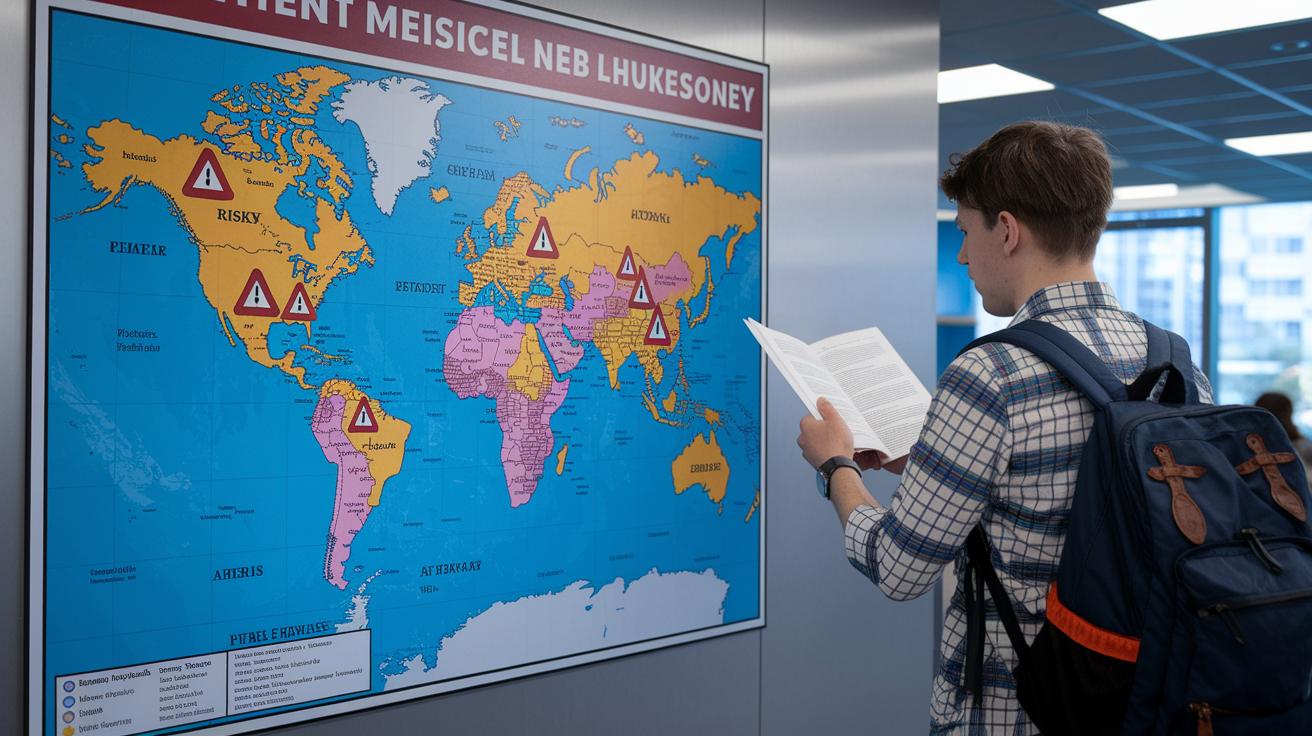
Travel advisories vary by region and show local safety issues and rules. Some areas, like parts of the Middle East, North and Central Africa, and regions in Central and South America, have higher risks. For example, U.S. travel advisories differ based on the country issuing them.
Japan, for example, warns of gun crime and hate crimes. Australia stresses strict border controls and REAL ID rules. Canada will soon require mandatory registration for stays of longer than 30 days, starting in April 2025. Meanwhile, China has issued a general warning because of growing economic and safety concerns.
| Country | Advising Authority | Key Advisory Highlights |
|---|---|---|
| Japan | Japanese Foreign Ministry | Warns about gun crime and hate crimes |
| Australia | Australian Government | Strict border controls and REAL ID rules |
| Canada | Global Affairs Canada | Mandatory registration for stays over 30 days |
| China | Chinese Ministry of Foreign Affairs | General warning on economic and security issues |
Practical Guidance for Travelers Based on Advisory Levels
Before you plan a trip, look up the current advisory level for your destination. Check trusted government websites or reliable travel apps to see the local security, weather, and social conditions. Levels 1 and 2 mean that normal health and safety steps are enough. Levels 3 and 4 signal higher risks that call for extra care.
Choose the right travel or medical insurance for your journey. For low-risk areas, basic coverage may be enough for usual travel problems. In higher risk places, pick a plan that covers extra medical care, emergency evacuation, and delays. This extra coverage helps when conditions locally are unpredictable.
Tailor your travel plans to match the advisory level. If conditions worsen, think about shortening your trip or staying away from risky areas. Map out different routes and activities that keep you in safer zones while still letting you enjoy your trip.
Keep in touch with your embassy or consulate during your travels. Register your trip with them and follow their updates. This way, you can quickly get advice and help if the local situation changes.
Tools and Platforms for Real-Time Travel Advisory Updates

Dedicated travel apps combine location data with official government feeds to deliver alerts as soon as travel conditions shift. They use smart analytics that send push notifications for immediate updates. One traveler said that clear icons and timely messages on an app helped him avoid missing a flight when risks suddenly rose.
Government email and text alert systems send short, focused messages to registered users in specific areas. Their clean and simple design delivers key travel warnings straight to your inbox or phone. In one case, quick alerts from a government service helped travelers adjust their plans during an unexpected emergency.
Interactive maps now let users filter travel risks by region or how recent an update is. With easy-to-read visuals and color codes, these maps show current risk levels at a glance. For example, areas highlighted in red signal high risk, offering a fast snapshot of global safety conditions.
Final Words
In the action, we broke down the safety levels and guidance that help shape travel plans. We reviewed how government advisories, ranging from standard precautions to do-not-travel alerts, guide traveler decisions. The post showed where to get real-time updates and practical steps to match advisory levels with the right preparation. It highlights how travel advisories worldwide serve as a trusted tool in planning smart and safe trips. Stay informed and keep your travel choices clear.
FAQ
What countries are on the do not travel list or have a Level 4 travel advisory?
The question refers to nations flagged as high-risk with a Level 4 advisory. These countries are officially designated as unsafe for travel by agencies like the U.S. State Department due to extreme conditions.
What countries have a Level 2 travel advisory?
The inquiry addresses countries assigned a Level 2 advisory. These countries indicate a need for increased caution because moderate risks exist that travelers should review before planning a trip.
What countries are in a Level 3 travel advisory?
The term points to countries with a Level 3 advisory. This level signals that travelers should reconsider their plans due to elevated risks, including potential civil unrest or safety issues.
Which nations are designated as Level 1 travel advisory?
The question highlights nations under a Level 1 advisory. In these areas, normal precautions apply and travelers face standard risks, making them generally safe provided routine vigilance is observed.
What is the State Department’s new travel advisory framework?
The query concerns the updated framework by the State Department. It now uses a four-tier system that categorizes travel risk from normal precautions at Level 1 to a do not travel status at Level 4.
How is the U.S. travel advisory map used?
This question explains the advisory map’s purpose. The U.S. travel advisory map visually displays countries by advisory level, offering an easy, quick reference for assessing regional travel risks.
What is the current U.S. travel ban update today?
The inquiry seeks information on the latest U.S. travel ban update. This update reflects the current restrictions and conditions where travel is either temporarily prohibited or advised against due to safety concerns.
What countries have a travel warning right now?
The question asks about countries currently carrying travel warnings. Many nations have updated travel warnings as global conditions shift, and such alerts are posted by government agencies to guide traveler decisions.
Where should U.S. citizens not travel right now?
This query concerns regions U.S. citizens should avoid. Travelers are advised to steer clear of areas with high-level advisories, especially those designated as do not travel, to minimize exposure to potential hazards.
What is the United States travel warning level?
The question refers to the U.S. travel warning level as defined in the four-tier system. Each level indicates specific risks, helping U.S. citizens understand the safety of international destinations before making travel plans.