


Have you ever wondered why our favorite meals or styles mix traditions? Cultural syncretism blends different customs into a new, exciting form. Instead of keeping traditions separate like in multiculturalism, it fuses them together. This mixing happens when people share ideas through travel and migration. In this post, we look at how blending cultures shapes our identity and links our past to today’s world.
Core Definition of Cultural Syncretism
Cultural syncretism mixes different religious, cultural, or political traditions into one new form. It isn’t the same as multiculturalism, which keeps different practices separate. Instead, syncretism combines ideas to create a unified expression.
This process often happens when communities meet because of migration, colonization, or globalization. They share beliefs and customs that touch everyday life, from the way we dress to what we eat, and even the shows we watch. Key points include:
- A process that blends traditions
- A clear difference from multiculturalism
- Influential factors like migration, colonization, and globalization
- Common areas such as food, fashion, and media
- Effects on cultural identity
By merging elements from different backgrounds, cultural syncretism transforms traditions into fresh forms that honor both historical roots and new influences. It shapes social identities and shows how people keep their heritage while also creating shared, modern expressions.
Historical Evolution of Cultural Syncretism
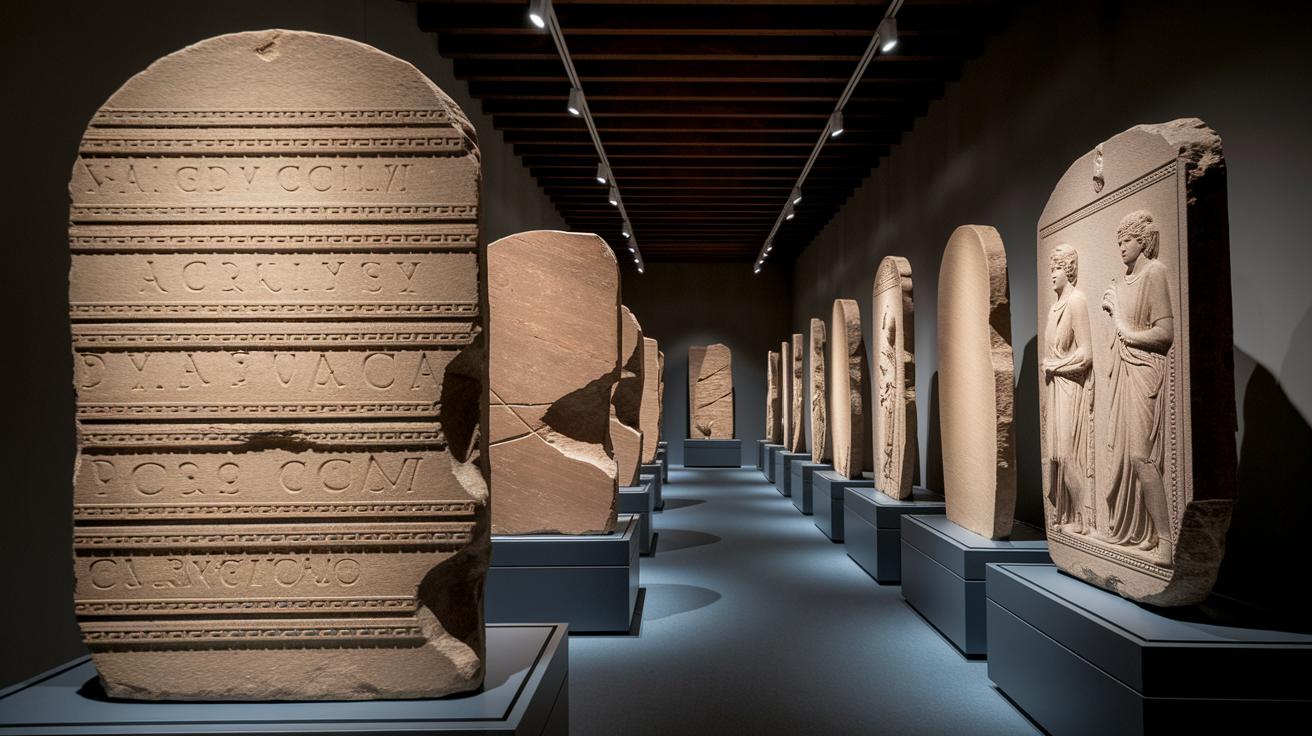
Ancient writing systems mixed languages to share ideas. The Latin alphabet took shape in the 7th century BCE after borrowing elements from the Phoenician script. Later, the Greeks and Etruscans added their own touches. This early blending set the stage for later cultural fusions.
In the classical era, builders mixed new methods with old styles. Between the 3rd century BCE and the 2nd century CE, Roman engineers combined their advanced concrete techniques with Greek design. The result was structures that were both strong and artistically refined.
In medieval China, religious ideas blended in meaningful ways. From the Han dynasty through the Tang period (206 BCE to 907 CE), the mixing of Confucian, Buddhist, and Taoist teachings influenced social life and government. Although each belief started on its own, together they shaped a unique way of life.
In the early modern era, food and farming were transformed by the Columbian Exchange in the 15th and 16th centuries. Crops like tomatoes, potatoes, chilies, and maize came from the New World to Europe. This exchange reshaped European cuisine and agriculture, highlighting how cultural contact can change everyday life.
Religious Fusion Examples within Cultural Syncretism
Religious fusion shows how communities mix beliefs and symbols to share values and update traditions over time. Both old and new examples reveal how ceremonies, icons, and stories blend to create fresh spiritual practices.
Festive Symbol Merging
The mix of seasonal symbols clearly points to religious fusion. For example, the Easter Bunny and decorated eggs originally came from pagan spring rites but now pair with Christian Easter stories. Likewise, Santa Claus and modern Christmas customs blend timeless folklore with the story of Jesus. Did you know? Easter once celebrated fertility, but today eggs and bunnies stand for both new beginnings and resurrection.
Deity Syncretism in Antiquity
Ancient times offer strong examples of merging gods. Egyptian figures like Osiris and Ra sometimes combined with Greek Apollo, while the Aztec god Quetzalcoatl even picked up traits similar to Jesus Christ. In Japan, worship of Amaterasu merged with Buddhist ideas surrounding the goddess Tara. These cases show that past cultures saw divine power as flexible and ever-changing.
Afro-Caribbean Faith Blends
Afro-Caribbean traditions clearly display religious fusion. In 1930s Jamaica, Rastafarianism combined African heritage with messages of black pride and teachings of Marcus Garvey. In Cuba, Santería mixes Roman Catholic saints with native Yoruba deities. These blended practices give communities strong symbols to shape identity and preserve heritage in ever-changing social settings.
East Asian Interfaith Traditions
East Asia provides a prime example with the Three Teachings Philosophy, where Confucianism, Buddhism, and Taoism work together. This mix of moral, spiritual, and natural ideas shows a historical openness that let different ethical systems live side by side and create a common cultural view.
Cultural Syncretism in Food, Music, and Language
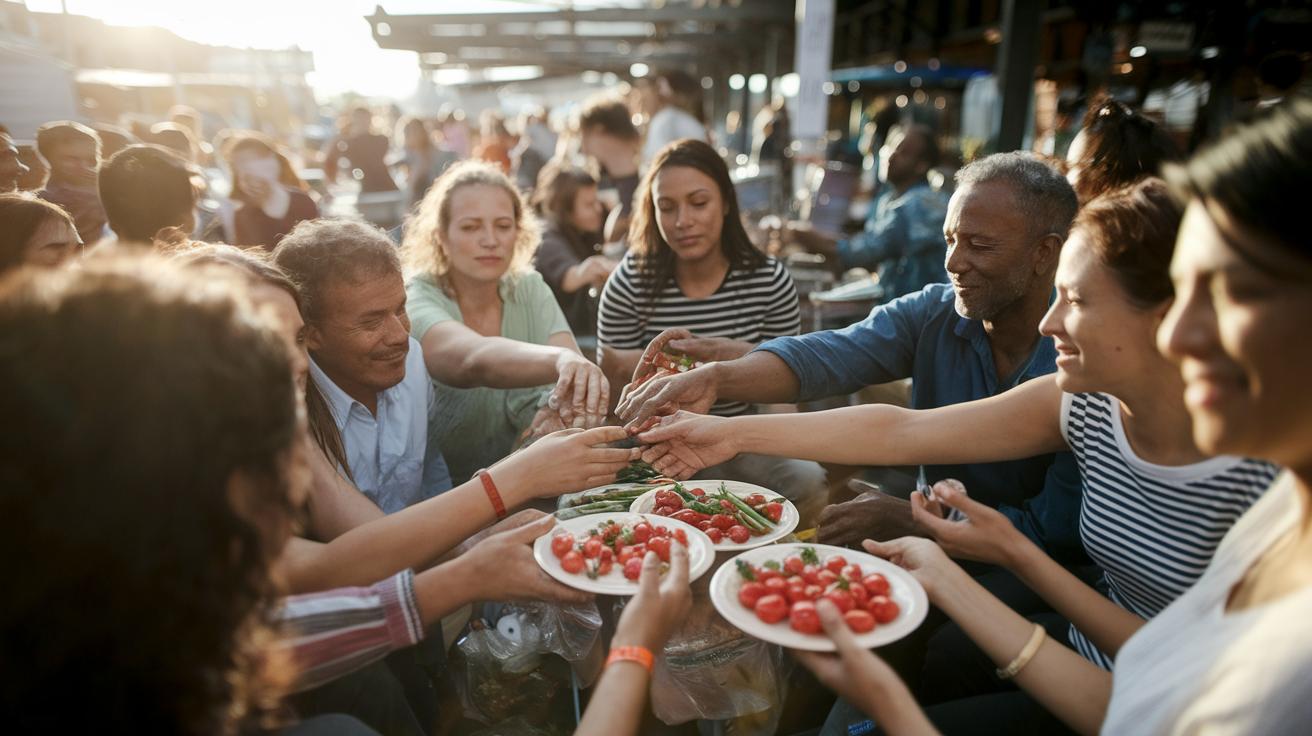
People around the world mix traditions to create unique foods, tunes, and ways of talking. Old migration routes and modern travel have linked ingredients, songs, and words into rich, blended forms that honor the past and embrace the present.
In the 15th century, crops from the Americas like tomatoes, potatoes, chilies, and maize changed European recipes. These new foods spurred creative twists around the globe. In the United States, dishes such as Asian tacos and Mexican pizza show how immigrant communities blend old flavors with new tastes while keeping their heritage alive.
In music, different traditions often meet to form something new. Early 20th-century jazz is a clear example. African rhythms mixed with European harmonies and blues to create a vibrant sound that is both innovative and rooted in history.
Language also reflects this blend of cultures. The Latin alphabet grew over centuries by borrowing features from Phoenician, Greek, and Etruscan scripts. Today, blended languages like pidgins and creoles carry bits of their original roots while adapting to new cultures.
Globalization’s Role in Cultural Syncretism
Modern migration, colonization, and global trade bring people together, blending traditions, languages, and customs. As people travel across continents, they mix their heritage with local practices, sparking new styles in music, fashion, and art.
Digital media and affordable travel speed up this exchange. Social platforms let traditions and rituals spread instantly, while travel exposes people to diverse ways of life. This quick sharing helps create fresh, global social rituals that merge familiar ideas with new influences.
Communities living away from their homelands show how globalization reshapes culture. They keep their heritage alive while embracing local customs, resulting in unique festivals, foods, and music that celebrate both past and present.
Societal Impacts and Theoretical Frameworks of Cultural Syncretism

When different traditions mix, they can reshape how people and communities understand themselves. This change affects both personal identity and how groups are organized. Courses like AP Human Geography and African American History study these examples of blending (syncretism) and compare them to multicultural settings where traditions remain separate. In politics, the 1990s Third Way combined parts of socialism and capitalism to form balanced policies, while debates over authenticity show that preserving heritage in mixed cultures remains tough.
Identity Transformation through Fusion
Mixing cultures helps shape new personal and group identities. Many people pick up customs from both their past and new influences to create a unique sense of self. Community events, art, and everyday habits show a blend of longtime traditions and modern touches. This fusion lets people adjust to today’s world while still keeping important parts of their heritage.
Anthropological and Political Frameworks
Experts look at how cultures mix through different academic views. Anthropologists compare the merging method of syncretism with multicultural approaches, where each tradition stays separate, to understand cultural change. In politics, the Third Way of the 1990s is a clear example where leaders mixed ideas from different ideologies to support fairness and growth. This shows that blending traditions can build strong systems to handle today’s social challenges.
Challenges in Tradition Integration
Blending traditions does come with challenges. Some worry that mixing customs can weaken the true character of original practices. Communities often face tensions between honoring old legacies and accepting new ideas. These issues spark wider questions about cultural ownership and how to keep society united as change continues.
Final Words
In the action, our post traversed the history and evolution of blending traditions. It broke down how faith, food, music, and language mix to form ever-changing identities. We mapped out the drivers, impacts, and past examples that shape today's cultural landscape. The article provided a clear look at what is cultural syncretism, showing how societies merge customs to form richer, hybrid cultures. The story stays upbeat, inviting us to appreciate the creative mix that connects people across time and geography.
FAQ
What does cultural syncretism mean and what are some example cases?
The term cultural syncretism means the blending of different traditions into a new mix while keeping elements of each original culture. Examples include mixed cuisines, music styles, and hybrid religious practices.
What does cultural syncretism in sociology refer to?
In sociology, cultural syncretism refers to the process where diverse cultural practices combine due to social interactions and migration, leading to new, shared traditions and evolving identities.
How is cultural syncretism reflected in America?
Cultural syncretism in America shows how immigrants’ traditions mix with local customs, influencing food, music, and religious practices to create a dynamic and blended cultural environment.
What are some examples of religious syncretism, including in Christianity?
Religious syncretism involves merging beliefs, such as Easter practices combining pagan and Christian elements and Christmas traditions blending folklore with the story of Jesus, illustrating how different faith narratives can integrate.
What does cultural syncretism mean in AP World History?
In AP World History, cultural syncretism describes the merging of cultural traditions through interactions like trading and conquest, highlighting how history has seen diverse artistic, linguistic, and religious blends.
What is an example of syncretism in today’s world?
Today, examples of syncretism appear in fusion cuisine like Asian tacos, blended music genres, and mixed languages in communities, reflecting ongoing cultural exchanges driven by global connectivity.